
What is stretch film?
Stretch film is a high-performance plastic film that BestY Pack has specialized in for 15 years. Made mainly from polyethylene, it is built for transport and storage. It provides high clarity and great elasticity. Factory tests have shown that it stretches over 300%, allowing it to securely wrap goods of any shape. The film adheres tightly to the goods, effectively preventing them from shifting. Our products have served more than 200 companies and are widely used in logistics, food, and industrial fields. Commonly used for palatalized cargo transportation, we supply many logistics giants. It also facilitates bundling small items.
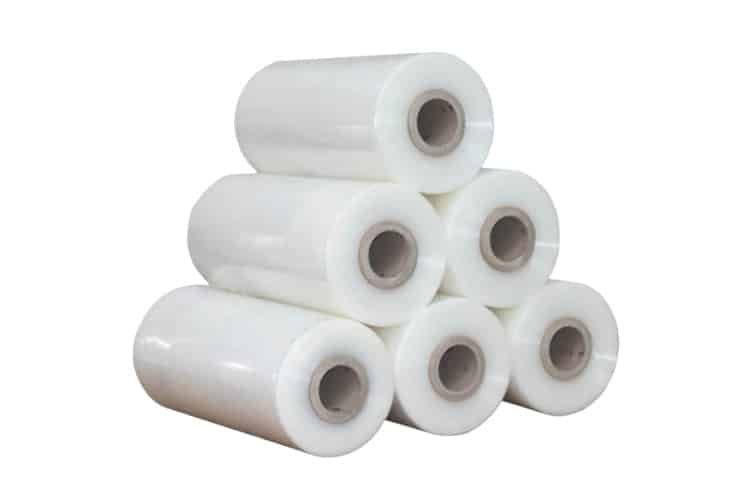
Overview of the Production Process of Stretch Film
Preparation
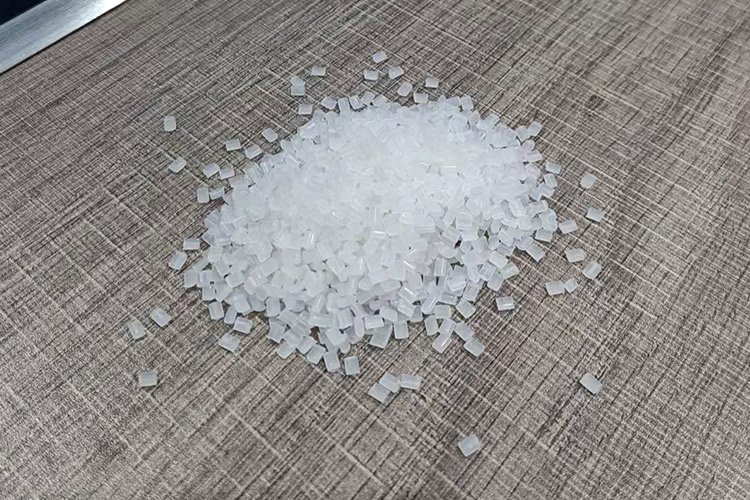
Stretch film is mainly made from Linear Low Density Polyethylene (LLDPE). We have a team of formulators who specialize in the properties of LLDPE, which are controlled by precise additives. Common additives include: tacklers. Colorants. UV stabilizers. Based on customer needs, our lab precisely determines the formula proportions. Then, we begin professional extrusion production.
Extrusion extrusion
We use imported twin-screw extrude to heat the plastic mixture to 180–220°C until melted, then extrude it through precision molds. Cast film adopts a flat die head. It then passes through chill rolls for shaping and a smoother surface. Blown film is blown into bubbles using a ring die. We monitor the bubble diameter and thickness in real time and control the tolerance within ±5% to ensure consistent quality.
Cooling (Air Ring / Rollers) Cooling (air ring / chill rolls)
The cast film is cooled and cured quickly by the chill rollers. Blown film is cooled by an air ring blowing cold air. This quickly shapes the film and locks in high resilience. Every roll undergoes factory testing to meet standards.
Winding
After the film is molded, it needs to be wound and packaged. It is wound on a paper core. This ensures easy transportation and storage while maintaining tension and surface flatness.
Slitting
After winding, the film is slit according to the customer’s needs. We offer various widths. To meet diverse customer needs.
| Process | Key Equipment | Temp/Parameters | Quality Control |
|---|---|---|---|
| Formulation | Lab | Precise ratios | Customized |
| Extrusion | Twin-screw extruder | 180–220°C | Cast/blown dies |
| Cooling | Chill rolls/air ring | Rapid curing | Thickness ±5% |
| Winding | Paper core winder | Maintain tension | Flat surface |
| Slitting | Slitter | Custom widths | Meet needs |
Introduction of Materials for Stretch Film Production
Polymer Types
- Linear Low Density Polyethylene (LLDPE): This is a popular material for stretch film. LLDPE offers top strength and elasticity. Our measured tensile strength is ≥30 MPa, while it combines puncture resistance and flexibility.
- Low-density polyethylene (LDPE): This material produces films that are more transparent and flexible. Suitable for packaging products with high demands on appearance. Compared to LLDPE, its tensile strength is lower.
- High Density Polyethylene (HDPE): This material produces films with high load capacity. Suitable for the transportation of heavy loads. It also offers excellent puncture and tear resistance with high clarity.
- Metalloid polyethylene (PE): This is a specially treated polymer blend with very high strength at the same thickness. It is suitable for transportation packaging with high protection requirements.
- Hybrid polyethylene (PE): This cost-effective material offers high tensile strength and adhesion. We customize ratios per requirements to achieve desired film properties.
- Ethylene vinyl acetate co polymer (EVA): EVA has an elongation of up to 600% and good resilience. Our mechanical packaging customers report smooth winding. Especially suitable for high-speed automatic winding machines. We optimize the formulation for automated production lines.
- Polyvinyl Chloride (PVC): High transparency, strong UV resistance. Typically combined with elasticize. Packaging is not brittle at low temperatures.
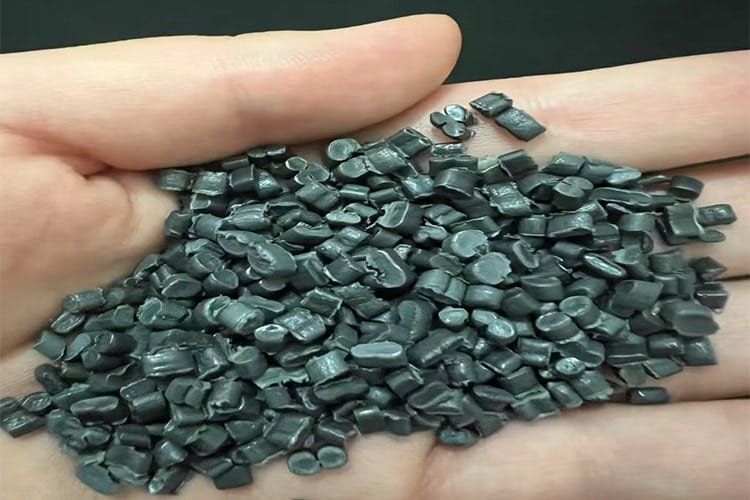
Introduction of stretch film additives
- Filler batchmate: Filler batchmate enhances mechanical strength. We are flexible in the proportion of 5-20%, which can improve production efficiency by 15% and save costs by 10%.
- Anti-aging additives: slow down the effects of environmental oxidation. Delay aging and prolong life.
- Anti-skidding additive: Anti-skidding additive reduces the coefficient of friction to 0.3, which makes it easy to unpack. We tested a 20% increase in tear resistance.
- Adhesive: Enhances self-adhesion. Facilitates packaging and reduces inter layer adhesion.
- Antagonistic agent: Reduces surface static electricity. Suitable for packaging electronic products. Keeps clean while preventing dust.
- UV inhibitor: Reduces UV damage to contents. Extends packaging life, and protects products.
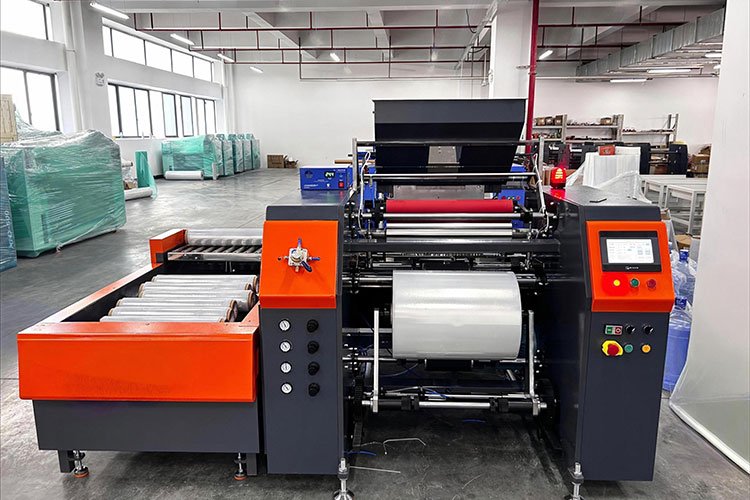
Stretch film production process
Extrusion: Plastic is melted and plasticized. It is divided into two processes: casting and blown film. For casting, a flat die is used, while for blown film, a ring die is used to blow uniform air bubbles.
Cooling: Cooling of the stretch film is aimed at solidifying the hot-melt plastic. It is divided into air ring cooling and chill roll cooling. The air ring blows cold air to cool the film. The rollers are cooled by heat absorption through the chill rolls.
Winding: The cured film is neatly wound. Maintains tension and performance. It facilitates subsequent processing, storage, and transportation.
Stretch film formulations for various applications
Applications and Uses
Industrial Packaging
Stretch film is widely used in industrial packaging. It can be used to package various shapes of industrial products. Good puncture resistance can prevent package breakage and protect product transportation. Anti-static and other special properties enable packaging of elector-sensitive and light-sensitive products. Firmly wrap the products to prevent shifting.
Food and Beverage Industry
Stretch film is widely used in the food and beverage industry. Good sealing can isolate oxygen and water molecules, slow down oxidation, and extend the shelf life of food. It meets food contact standards and is safe and non-toxic.
Retail
Stretch film can be used to package retail products. It is used in both retail transportation and sales. For transportation, it can protect fragile products from breakage. For sales, it is often used to package promotional products and to bundle near-expiry products.
commerce
Stretch film is used in e-commerce, often in the field of logistics and transportation. The film has good puncture resistance and strength to protect products. At the same time, customized stretch film can be printed with brand labels to expand corporate awareness.
Healthcare
Stretch films can also be used in the healthcare sector. The addition of anti-static properties keeps the packaging and product clean and sanitary. This helps maintain sterility and prevent contamination.
Customization Options for Stretch Film
Thickness and Width Customization
The thickness and width of stretch film can be customized according to customer needs. By adjusting the thickness, the durability and strength of the film are changed. By adjusting the width dimension, the size of the film is changed. This is determined by the weight and volume of the goods to be transported.
Core size
The core size of a roll of stretch film can be customized, generally 3′ or 6′. This is determined by the machine used for packaging processing.
Cling Adhesion
The cling of the stretch film can be adjusted in the formulation according to the needs. Cling adhesion, i.e., the ability of the stretch film to adhere to itself, is offered at a variety of levels.
Are-stretch
Are-stretch film reduces the waste of packaging materials. It helps you save costs and promotes environmental benefits. Are-stretch can be processed according to your needs.
UV protection
UV protection is realized by changing the formulation. It reduces the damage caused by UV rays. Suitable for light-sensitive products, such as volatile and oxidized products. Flexible and easy to customize.
Printing and Branding
Stretch film can be customized with printing patterns. High-quality inks and specific printing techniques are used. They help enhance the aesthetics of the film and at the same time help to strengthen the company’s brand influence.
Stretch film quality inspection and testing
Tensile Strength Test ASTM D-882
Capable of measuring the force required to stretch a film to the point of rupture. The tensile force is applied to the film by a specific machine. At rupture, the film’s ultimate tensile strength and elongation are recorded. Reflects the elasticity and flexibility of the film.
Puncture Resistance Test ASTM D-5748
Capable of measuring the performance of a film against puncture by sharp objects. A probe is pushed into the film at a specific speed to realistically simulate an application scenario. The limit of resistance to puncture force is recorded at the time of rupture.
Tear Resistance Test ASTM D-1922
Capable of measuring the resistance of a film to tearing forces. A notch is made in the film, and constant tensile force is applied. The limiting value of resistance to tearing force is recorded at the time of tearing.
Load Containment and Stability Test ASTM D-5459
Capable of measuring the transportation performance of films for firm cargo. Simulates transportation scenarios of vibration and shock with increasing transportation scenario instability. Records data as the cargo falls apart. Capable of reflecting the load performance and packaging stability of the film.
Adhesion Test ASTM D-5458; ASTM D-1894
Capable of measuring the self-adhesion and non-slip properties of a film. Cargo is placed on the film to simulate the transportation process. Tests film surface slip resistance and peel adhesion.
Other Tests
Besides the main tests for stretch film, there are other important ones. For example, the haze test ASTM D-1003 checks how clear the film is.
Common Types of Stretch Film
Hand Stretch Film
Also called hand film, hand pallet wrap. It is a stretch film specially used for hand packing. It is used to wrap small quantities of products, usually less than 50 per day, which can save the cost of purchasing machines.
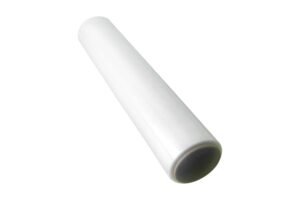
Machine stretch film
Unlike hand film, this stretch film is used for high-volume packaging. It boosts packaging efficiency, enhances safety, and reduces labor costs.
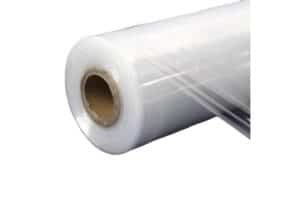
Blown Stretch Film
Blown stretch film is made using the blown process. Compared to cast, it gives the film superior strength, flexibility, and tear resistance. In contrast, price and transparency are not advantages. It is also prone to noise during use.
Cast Stretch Film
Cast stretch film is made by a casting process. It has higher clarity and transparency, and stronger stretch performance. It is less noisy in use and has self-adhesive properties on both sides. In addition, it is more affordable. In contrast, tear resistance, strength, and resilience are not as good as those of other stretch films.
Are-stretched Film
Are-stretched film is a film that has been stretched in advance. It is easier to handle and saves packaging time. In addition, the use of ore-stretched film saves at least 45% of resources compared to ordinary stretch film. This saves costs.
Hay Baling Stretch Film
Also known as silage film, it is mostly made of low-density polyethylene (LDPE). Good sealing and barrier properties help to extend the shelf life of feed. Used in agriculture and livestock.
Specialty Stretch Film
Specialty Stretch Film is stretch film used in specialized areas with special properties. By changing the formulation of the film production, we achieve the desired performance. Some common types of specialty stretch film are:
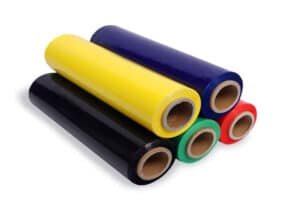
Color Stretch Film
Color Stretch Film helps color-code goods. This makes identifying and organizing items easier. It also boosts supply chain efficiency and product safety.
UVI Stretch Film
UVI Stretch Film has UV inhibitors that shield outdoor goods from sunlight damage. This helps extend their lifespan.
VCI Stretch Film
VCI Stretch Film releases corrosion inhibitors. These help prevent rust on metal parts during transport and storage.
Reinforced Stretch Film
Reinforced stretch film with an embedded mesh layer for strength and tear resistance is suitable for stabilizing and securing heavy loads.
Vented Stretch Film
Vented stretch film with perforations promotes air circulation and prevents condensation and spoilage of frozen products.
Wrap Anti-static Stretch Wrap
Wrap anti-static stretch wrap eliminates static buildup, protects electronics from ESD damage, and keeps them clean.
History of the progress and development of stretch film production
Formulation Changes
As technology advances, so do the formulations for stretch film production. Depending on the changes in formulations, we can obtain stretch films with new properties to meet the needs of various industries. A notable recent innovation is the ventilated stretch film. This film is breathable and can be used to package fresh produce to prevent spoilage.
We are actively developing and producing stretch film products with new properties in response to market demand.
Sustainable
Only 14% of plastic packaging is recycled globally. In fact, stretch film made from linear low-density polyethylene (LLDPE) is completely recyclable. The new product, “Biodegradable Stretch Film,” is a great answer to this environmental issue. It does not need to be recycled but can be naturally degraded and decomposed into non-toxic and harmless water and carbon dioxide.
As people become more aware of protecting the environment, only 14% of plastic packaging is recycled worldwide. This also reflects corporate social responsibility and values.
BestY Pack
We, BestY Pack, have been in the business of stretch film manufacturing for many years and are a well-known stretch film manufacturer in China. We have an expert design team to develop products according to market demand. We have the top production machines and technology in China to ensure the high quality of stretch film. We want to share our expertise on stretch film in this article. This will help you choose the right stretch film for your needs.
If you need customized production or exclusive stretch film design, please send us an inquiry. We will provide you with satisfactory customized service to help you solve your stretch film packaging problems.