
Stretch film and cling film may appear similar in both raw materials and appearance. However, their distinctions are substantial. They differ significantly in function and characteristics. This article provides an educational overview of stretch film and cling film, respectively.
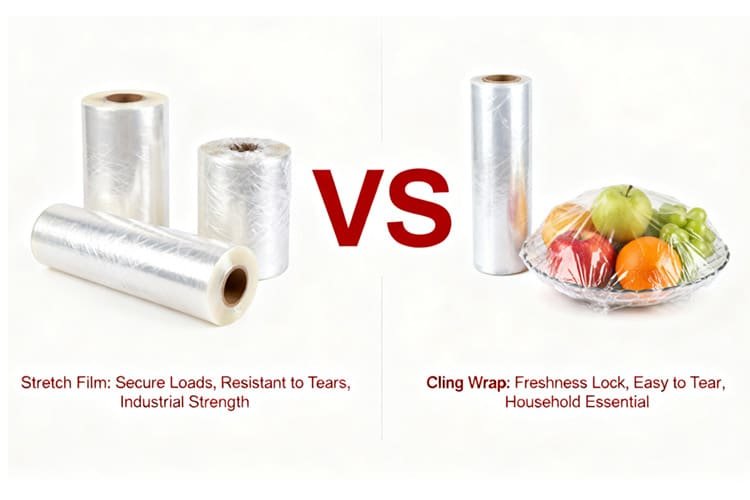
What distinguishes stretch film from cling film?
Stretch film and cling film have many similarities, but their differences are clear. I will now outline their distinctions across multiple dimensions.
Differences in application scenarios are as follows:
Stretch film is mainly used in industrial packaging. It keeps dust and moisture out. It also secures cargo to prevent shifting. It predominantly utilizes LLDPE material and may not be suitable for direct food contact.
Cling film is primarily used for domestic purposes. Consumers are often unaware of the differences between film types. Cling film usually uses safer PE film, which allows direct food contact. This ensures greater safety and hygiene.
Cost differences:
Stretch film is a specialized packaging material with relatively higher costs. However, it offers an efficient and economical solution for pallet wrapping or unitizing.
Cling film is a lower-cost product that primarily serves to isolate products and prevent contamination.
Environmental impact:
Stretch film (LLDPE) can be recycled by over 70%. This allows for circular reuse in special recycling channels.
Traditional PVC cling film typically has a recycling rate below 20%. In contrast, PLA cling film is fully biodegradable. This helps reduce its environmental impact. PLA material represents a superior choice as it is a degradable material.
Material Differences:
Stretch film is usually made from polyethylene (PE), not PVDC. It offers strong toughness and resists punctures well. It demonstrates a superior load-bearing capacity.
Cling film is less robust than stretch film but forms a secure seal. It is highly suitable for sealing bottle openings and containers.
Differences in Adhesiveness:
Stretch film is typically single- or double-sided with strong cling properties. This ensures secure adhesion to goods and provides superior protective performance.
Cling film has lower adhesiveness, making it suitable for light packaging.
Choosing between Stretch Film and Cling Film?
Selecting between stretch film and cling film requires weighing multiple factors. After comparing their properties, you will know which one suits your needs best.
Purpose:
For simple food preservation in domestic settings, cling film is the ideal choice.
For moving house or securing palletized goods, stretch film is not only superior but also a more cost-effective solution.
Safety:
If safety is paramount, opt for PE or PVDC cling film – these are food-grade, safe options suitable for direct food contact.
Conversely, LLDPE stretch film must not come into direct contact with food.
Cost:
Where direct food contact isn’t a concern, cling film offers lower costs and greater suitability. For moving, transport, or storage applications, stretch film remains the superior choice.
What is Stretch Film?
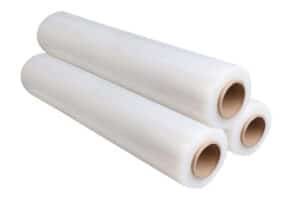
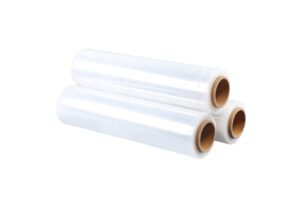
Stretch film, or pallet wrap, is a stretchy plastic film made from linear low-density polyethylene (LLDPE). It is used to wrap cartons and pallets, with cord strapping tightly secured to the pallet to bundle and protect the contents. Beyond securing, it also protects against dust, water, and moisture. Stretch film is indispensable among packaging films. Its thickness typically ranges from 15 to 50 μm, with widths of 50 to 150 centimeters, catering to diverse packaging requirements.
Securing pallets with stretch film cuts transport damage by about 30%. This boosts logistics efficiency. When used with lorries’ E-track systems for securing loads, it enables swift, safe, and efficient transportation of goods. Stretch film is also highly suitable for warehousing and shipping.
What are the applications of stretch film?
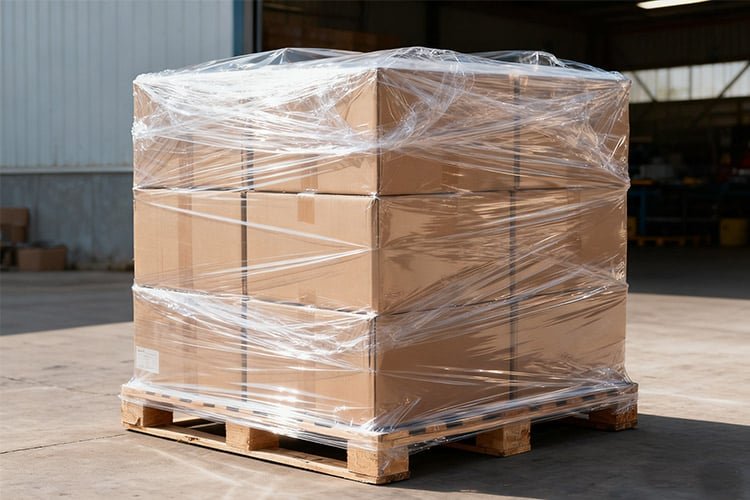
Stretch film primarily secures goods on pallets, preventing them from shifting during transit. It is also employed for warehouse storage.
- It wraps around large palletized goods. This keeps them stable during transport and reduces damage.
- It can package a wide range of products, including food, beverages, meat, vegetables, and fruits. It prevents the ingress of bacteria, dust, and moisture while isolating oxygen, thereby extending shelf life.
- It serves industrial packaging needs, safeguarding raw materials, semi-finished goods, and finished products. Certain moisture-sensitive items require protection to maintain powder purity and prevent dust ingress. Our stretch film offers exceptional barrier properties.
- For removal companies, stretch film protects items during transit. It shields contents from damage and helps prevent loss.
- It can be used to wrap building materials, carpets, furniture, and similar items, preventing soiling and marks.
What types of stretch film are available?
Machine-grade stretch film, hand-grade stretch film, pre-stretched film, custom-colored stretch film, and UV-resistant stretch film.
Machine stretch film:
Designed specifically for automatic wrapping machines. Offers faster packaging speeds and higher efficiency than manual methods. Essential for large-scale industrial manufacturing.
Color stretch film:
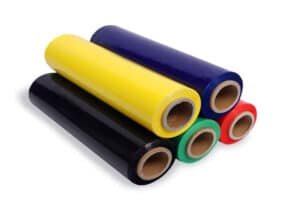
Color stretch film looks vibrant and comes in many hues, unlike clear options. Black stretch film ensures cargo privacy.
Cast Stretch Film:
Manufactured via cast extrusion using dedicated casting machines and chill rolls. It delivers superior transparency and enhanced performance characteristics.
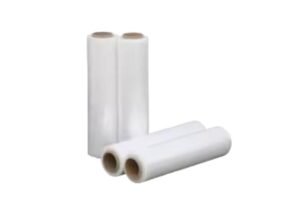
Blown Stretch Film:
Blown stretch film is produced through the blown extrusion process.
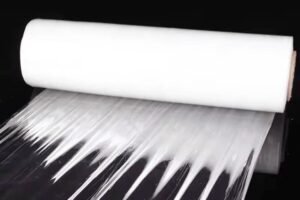
Its advantages are:
- Robustness
- Great shape adaptability
- Good for packaging sharp and oddly shaped items
- Strong tear resistance
However, it is more expensive than cast stretch film.
Hand Stretch Film:
As the name suggests, hand stretch film requires no machinery and can be applied manually. It is highly convenient and suitable for packaging small batches of goods. Hand-wrapping film rolls are lighter in weight than machine-grade film. Suitable for most users, it represents a fundamental packaging solution. Precise control of wrapping force is required. For high-volume production, BestY Pack suggests using automatic wrapping equipment and machine-stretch film.
Pre-stretched film:
Pre-stretched film is stretched in advance during manufacturing. It has some operational challenges, but it provides better film economy. This allows for thinner layers and larger coverage areas. Improper handling may cause tearing or wrinkling. Pre-stretched film has gained popularity in recent years.
What are the different raw materials for stretch film?
Stretch film utilizes raw materials such as PE, PP, nylon, and especially LLDPE. Each possesses distinct advantages and applications.
PE: Offers excellent flexibility and higher tensile strength, making it highly suitable for packaging foodstuffs and daily necessities.
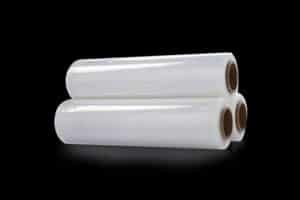
PVC: Also known as polyvinyl chloride stretch film, it maintains its properties in low-temperature environments. PVC may release harmful gases when heated, so proper ventilation is required.
PP: Polypropylene film offers superior corrosion resistance and durability and is typically used in high-temperature environments.
Nylon: Nylon film is suitable for packaging sharp items due to its excellent puncture resistance, making it ideal for specialized packaging applications.
LLDPE: Currently the most prevalent stretch film material, it boasts extensive versatility. BestY Pack specializes in the manufacturing of LLDPE stretch film.
What is cling film?
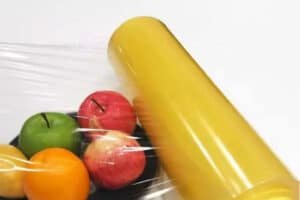
Cling film mainly seals items. It works well for food and industrial uses. It helps extend food shelf life. Typically made from polyvinyl chloride (PVC), it has great barrier properties. This keeps food fresh by reducing permeability. Beyond PE cling film, options include PVC and PVDC variants. For food preservation, PE cling film is the preferred choice. Cling film is primarily used for food packaging, refrigerator storage, and domestic applications. Stretch film is more suited to industrial uses.
What are the applications of cling film?
Cling film has extensive applications, predominantly in the domestic sphere.
Refrigerator storage:
Used for preserving and freezing food in the refrigerator, cling film acts as a barrier layer. It effectively blocks moisture and dust.
Preventing paint rollers from drying out:
Cling film inhibits moisture evaporation. Wrapping paint rollers in cling film prevents them from drying out.
Moving furniture:
Using 80-gauge cling film for moving furniture is smart. It keeps dust away and stops scratches. Reputable removal companies utilize substantial quantities of cling film.
Packaging loose items:
When packing small items, bundle individual objects into multiple units. This prevents items from getting lost.
What types of cling film are available?
By application:
Cling film primarily includes: – Cling film boxes with built-in cutters – Cling film boxes with sliding cutters – Pre-perforated cling film – Machine-grade cling film.
By material:
Types of cling film include polyvinyl chloride (PVC) film, polyethylene (PE) film, and polyvinylidene chloride (PVDC) film.
PE film:
PE film is suitable for preserving fresh fruit, vegetables, and foodstuffs. It is generally used more for low-temperature packaging. However, it is not recommended for microwave heating and is safe for use below 110 °C.
PVDC film:
PVDC film offers higher barrier properties and improved food safety. It offers great transparency and strong barrier properties. This makes it perfect for fruit platters and meat packaging.
PVC cling film:
PVC cling film may pose environmental pollution risks and is not recommended for food preservation. This is due to the substantial use of plasticizers during production, which can also create potential health hazards for food.

Hello, customers
My name is Jack Yu. I am the Business Manager at BestY Pack Plastic Products. My areas of expertise include film packaging, cold chain transportation packaging, and shrink products. Additionally, our factory manufactures protective gloves, and I can provide you with professional solutions to help you increase your market share and enhance consumer trust.
Email: ᅠjackyu@bestypack.com
Tel: +86 18368319351