
In today’s packaging world, plastic packaging is a popular choice for food packaging. It can isolate air to prevent food spoilage; it can also block harmful light and chemicals to keep food fresh and safe. It is lightweight and easy to carry, transport, and store. However, there are many types of plastic food packaging! This article will take you through the different types.
What is plastic food packaging?
Plastic food packaging is packaging film used to store, preserve, protect and transport food. It is made of plastic. It also insulates from oxygen, moisture, and light. Prevents microbial and chemical contamination. Prevents food from oxidation, discoloration, and odor. It also prevents food from frostbite. It can extend the shelf life of food and reduce waste. It is very important for food preservation.
Types of plastic food packaging
There are many types of plastic food packaging. They differ in their properties and applications.
PE is a versatile food plastic packaging material. It is flexible and very durable. It also blocks air and moisture. Moisture resistance and durability are very good. Commonly used in food bags, films, and containers. It can effectively extend the shelf life of food. And it has been certified for food safety. Will not leach harmful substances into food.
Polypropylene is a Thermoplastic. It is shiny and very durable. It is commonly used in products such as gardening tools and automotive supplies. It is suitable for processes that are manufactured in high-temperature environments. Polypropylene is very hard. However, it will not break as easily as other types of food packaging plastics. Polypropylene can also be used to package yogurt and cream cheese.PP plastic vacuum sealing is very effective. It can effectively keep food fresh. It has a High Melting Point and is also UV resistant. It can be heated in the microwave. It is also suitable for freezing. Tear and puncture resistance is also good.
PET is a very common plastic food packaging material. It is made from polyethylene terephthalate or polyester. It is commonly used to make soft drink bottles and disposable water bottles. It is also used for snack packaging, produce packaging, Covers for prep meals, cooking oil and sauce bottles, etc. PET is very lightweight and does not degrade when in contact with food. It is also very strong, clear, and glossy, and can be used to make coatings for packaging. PET is also recyclable and can be used as a coating for packaging. It can save energy and reduce greenhouse gas emissions. However, PET is not heat resistant, so it is not suitable for packaging hot foods! High temperatures can cause PET to decompose. It releases toxic chemicals that may seep into the food, causing headaches and dizziness. This can cause headaches and dizziness.
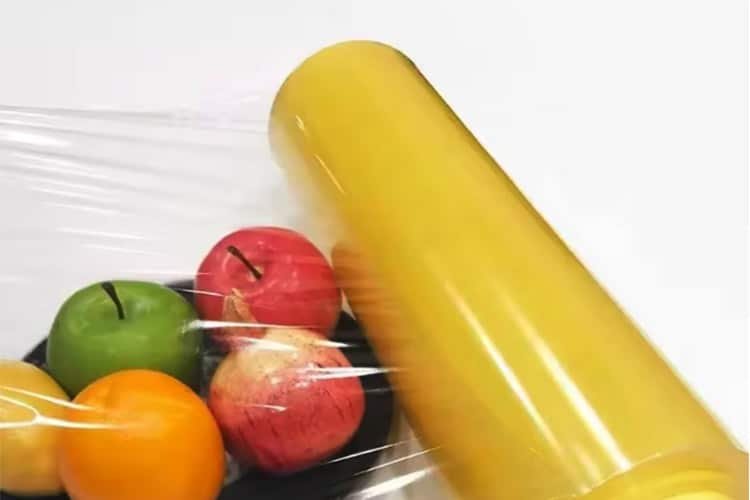
LDPE is also a Thermoplastic. It is relatively low-cost. It is flexible and has a soft texture. It is transparent and shiny. And it is resistant to moisture. Tear resistance and Chemical Resistance are also excellent. It is commonly used to make plastic bags. It will also be used to make various containers, dispense bottles, and frozen food packaging. Cling film and shrink wrap are also made from it.

PVC is also used in a wide variety of applications. You can find it near almost any snack you can find. It can be used to wrap cakes, desserts, and freshly baked cookies. It can also be used to wrap a jar of jam. PVC is also a Thermoplastic. It is flexible and has a soft, hard texture. It has good impact resistance and is also suitable for packaging chemicals. PVC is also suitable for packaging chemicals, and the PVC barrier effect is also very good. So, PVC is widely used in food packaging. Its price is not high, which can save costs.
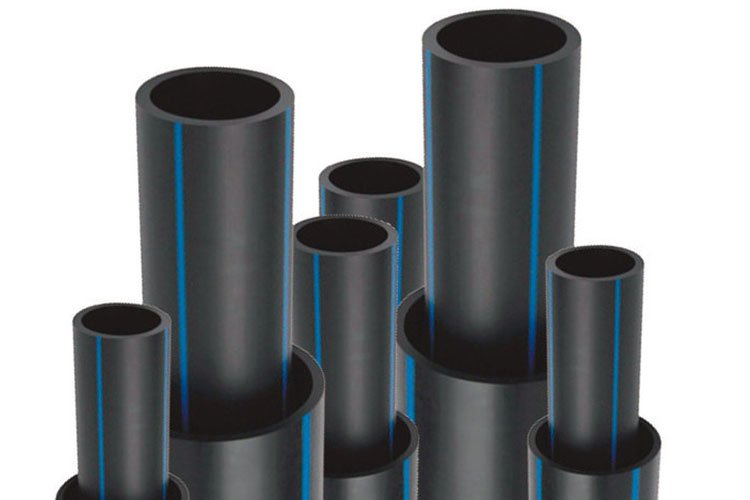
HDPE is a thermoplastic polymer made from petroleum. It also has a wide range of applications. It is translucent. It has the highest strength but the least flexibility compared to other types of polyethylene films. It is suitable for products that need to hold their shape.HDPE is commonly used to make milk, juice bottles, retail, and grocery bags. Liners for cereal and food boxes.HDPE has excellent durability. High Melting Point is also high, between 120-140°C. However, HDPE is recommended to be kept below 80°C for continuous use. Pay attention to the temperature when using it.
The main material of PC is polycarbonate. He is also a Thermoplastic. It has good durability. It is transparent. It is heat-resistant and also very strong. The temperature of PC packaging in food can be maintained between 120 degrees Celsius and 130 degrees Celsius. However, when PC comes into contact with oily or acidic food in a high-temperature environment, the BPA in PC may be released. BPA is a substance that is harmful to humans. For long-term high-temperature resistant packaging needs, you can choose BPA-free materials. For example, PP. PC is commonly used to package medical devices. It can maintain a sterile environment. Ensure that the equipment is not scratched. Also commonly used to make reusable water bottles and sterilizable baby bottles.
PS is lightweight and fragile. It is commonly used to package disposable food containers. In the food industry, it can be used for fast food packaging, cups, and trays. However, its production and disposal can be harmful to the environment, as it is difficult to degrade and takes a long time to decompose. It is also harmful to the soil. It will release toxic chemicals. It is not a good choice for enterprises pursuing green and sustainable development. Now, research teams are also exploring biodegradable alternatives. Reducing the environmental impact of food packaging.
Other plastics are less common in everyday life. Polylactic acid (PLA), for example, can be found in straws and takeaway packaging. It is a renewable substance made from sugar cane and corn starch. Polyvinylidene chloride (PVDC), Polyamide. There are many types of plastic packaging. Each type of plastic appears in our lives in various forms and plays an important role.
Benefits of Plastic Film Packaging for Food
Plastic food packaging has many benefits. Whether you are looking for freshness and quality, or Aesthetic packaging. Food plastic packaging can do it all. Here are the main benefits of food plastic packaging:
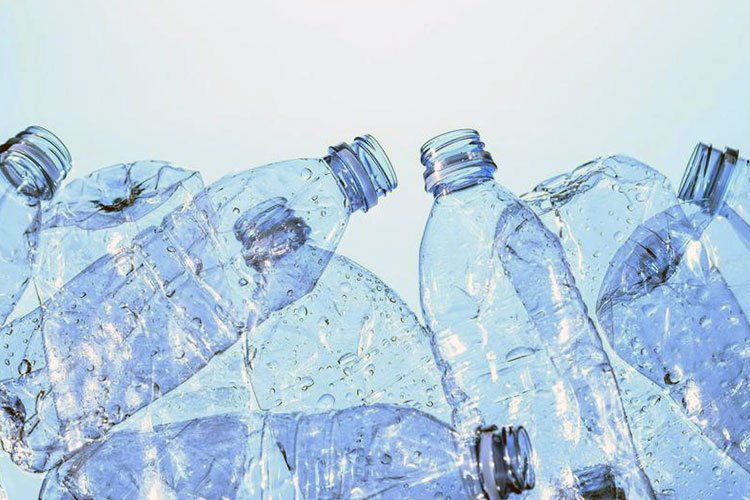
Keeps it fresh: food plastic film keeps out moisture and oxygen. It is a high barrier material. Let the food always keep fresh and ensure the quality loss of nutritional value. Some packaging can also extend the shelf life. Reduce food waste. It can also protect the food from damage.
Transparent and clear: food plastic film is transparent and clear. It can make consumers see the goods very clearly. Very intuitive to understand the information about the commodity. It can also better display the brand’s information, improve brand awareness, and attract consumers.
Simple operation: Food plastic film packaging of products and foodstuffs is very simple to operate. It is easy to get started. Can use the same sealing size, and package various sizes of containers. It can reduce the complexity of the production line and improve packaging efficiency. Reduce food packaging costs. It is also lightweight and easy to store. It is very space-saving to put in your home and kitchen.
Reusable And Recyclable: The film is usually made from renewable, recyclable materials. It can help brands reduce their impact on environmental pollution. Save energy and consume less material. Achieve the goal of sustainable development.
Common applications of plastic packaging
Plastic food packaging is very versatile. It can be used to preserve, protect, and store food. Here are the specific uses:
Bottles and containers: Food plastic packaging is commonly used to make bottles for drinks and milk. Jars for jams and sauces are also used. Very durable. It can also be stored for a long time. Can be insulated from moisture and oxygen. Good thermal insulation too.Can store meals and snacks.
Trays: Can be used to package fresh produce and meat. It can preserve freshness, prevent spoilage, and also show the condition of food well. Extends shelf life and reduces food waste.
Oven Containers: CPET plastic is very heat resistant and can be used in high-temperature environments (380°F). It is commonly used to make ovens and containers that need to be heated. It can be used for a variety of cooking needs. From freezing to microwaving, it won’t affect the taste of the food. It also seals well. But it is not as recyclable as other plastics and requires special handling.
Deli Container Quilt: Plastic food packaging is also commonly used to make containers and cups. It is very common in deli counters. It is usually made from polypropylene and PET. Sturdy and durable, microwaveable.Transparent and shiny.Aesthetically pleasing.Clearly visible to consumers. Durability is also good.
Related Products
Related Blog


Hello, customers
My name is Jack Yu. I am the Business Manager at BestY Pack Plastic Products. My areas of expertise include film packaging, cold chain transportation packaging, and shrink products. Additionally, our factory manufactures protective gloves, and I can provide you with professional solutions to help you increase your market share and enhance consumer trust.
Email: ᅠjackyu@bestypack.com
Tel: +86 18368319351