
In the modern packaging industry, stretch hoods and shrink hoods are the two most popular solutions. Though they look alike in how they’re made and what they look like, their packaging methods are very different. Their performance characteristics also vary. This article introduces stretch hoods and shrink hoods. It offers deeper insights into both products.
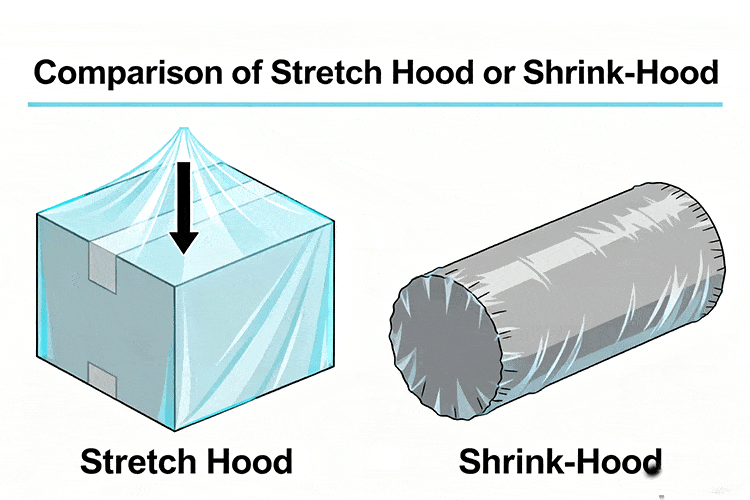
What is Stretch Hood?
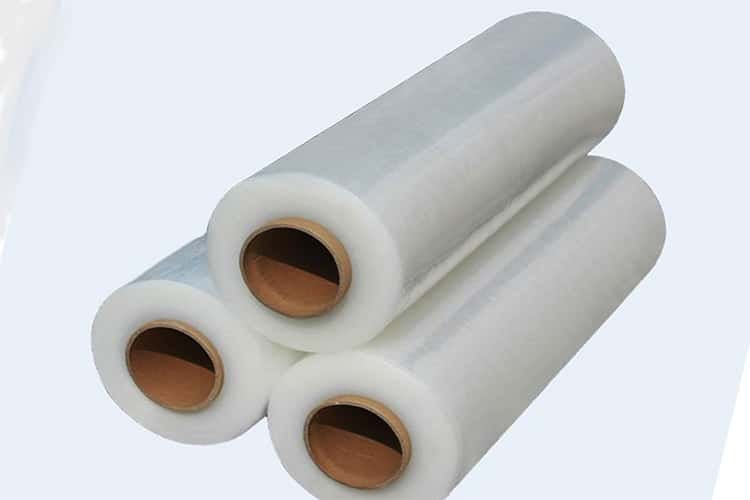
A stretch hood is a tube of film that holds palletized goods on a pallet containment load. It is made up of multiple layers of film. It consists mainly of LLDPE (Linear Low-Density Polyethylene) film. Its multilayer structure allows each layer to have different properties.
Inner layer: it can provide tensile and mechanical properties.
The middle layer or two can provide elasticity to the film.
Outer layer: usually with specific additives. It provides UV resistance, moisture resistance, etc.
Also, puncture resistance will be further enhanced.
Stretch hood is a new technology. It can improve packaging efficiency and save logistics and transportation costs. It can also protect against certain weather conditions. It is also aesthetically pleasing.
The benefit of stretch hood packaging:
The stretch hood is to stretch itself first, wrapped to cover the surface of the object. Then it shrinks through its own shrinkability to complete the package. It does not need to be heated to complete the packaging. It mainly has the following advantages:
- Excellent mechanical properties: The tear resistance and puncture resistance of the stretch hood are excellent. It can keep the goods from shaking during transportation or handling. It can be used to pack items with irregular edges or rough and sharp edges, and it will not break in most cases.
- Comprehensive protection: The stretch cover can cover five surfaces of the goods. It can provide more extensive protection. The stretch hood has excellent elasticity. It wraps by stretching and shrinking during the packing process. It can also fix the product on the pallet very firmly. Compared with traditional packaging materials, it does not require additional wrapping on top.
- Good durability: The durability of the stretch hood is also excellent. It can be used in outdoor environments as well. Rainy weather, windy and sandy environments, and other harsh weather can protect the product very well. The barrier property of the stretch hood is excellent. It can protect the product and pallet from drying out and ensure safety. The special stretch hood is also UV-resistant.
- Highly adaptable: the stretch hood has excellent stretchability. It is suitable for pallets of all shapes. Commonly used in household appliances, insulating materials are common. Chemical supplies, printing materials, etc.
- Material saving and environmental protection: Stretch hoods require only a small amount to complete the packaging needs. Stretch hoods are also made of environmentally friendly, recyclable materials. They can be reused. Reduce the impact on the environment.
- Slight surface friction: the friction on the surface of the stretch hood is minimal. There is no friction when it comes into contact with the object. It will not affect the surface of the object. This is important during wrapping and disassembly. The stretch hood is to stretch itself first, wrapped to cover the surface of the object. Then it shrinks through its own shrinkability to complete the package. It does not need to be heated to complete the packaging. It mainly has the following advantages:
The wrapping process of the Stretch Hood
The stretch hood packaging process is slightly different from the traditional packaging process. It does not require heating to complete the packaging for protection. Its packaging process is as follows:
- Customized production: first of all, according to the size and dimensions of the load, produce the right size of stretch hood. And cut it to the correct size according to the size of the load.
- Placement of palletized goods: Place the goods stably on top of the palletized goods. Then place the pallet on top of the conveyor of the packing machine.
- Stretching: The stretch hood machine is on top of the Load Containment according to the size and dimensions of the load. It stretches the stretch film to the correct size and shape. Then it slowly lands around the goods.
- Release film: After the machine releases, the stretch hood provides some stability to the cargo. It will not move or tilt easily during transportation or movement. It also protects the goods from dust and moisture.
What is Shrink-Hood ?
Shrink hoods are also a very cost-effective packaging solution. They provide stable protection for goods during transportation. Heat is required to seal the shrink wrap. Shrink hoods need to be heated to complete the seal. This then creates a protective and very secure barrier.
Shrink hoods have a number of excellent features: tight conformity to the load. Prevents the external environment from contaminating or damaging the goods. It protects the goods from being tampered with.
Shrink covers are mainly used in:
Agriculture and horticulture, food and beverage, industrial products, construction industry, and logistics.
the key features of shrink hood packaging
Shrink hood packaging systems involve placing shrink film over product surfaces, then shrinking and tightly conforming it under heat. Shrink hood packaging offers the following key functional characteristics:
- High Adaptability: The shrink hood packaging system flexibly accommodates various load sizes and shapes. It securely wraps both regular and irregularly shaped products. It finds extensive application across multiple industries including food, beverages, electronics, and appliances.
- Superior Protection: Shrink hood packaging creates a tight seal around products. It effectively prevents friction, impact, or damage during handling and transportation. It also minimizes the risk of bumps and movement-related damage caused by shaking during transit, ensuring product safety.
- High Fixation Stability: The shrink hood packaging system secures goods with exceptional stability, minimizing the risk of damage from movement during transport or handling.
- Outstanding Barrier Properties: The shrink hood packaging offers excellent barrier properties, effectively shielding against moisture, UV rays, and rain. It also prevents dust ingress. This protection remains effective even in outdoor environments, safeguarding goods from environmental impacts.
- High Production Efficiency: The shrink hood packaging system operates with exceptional efficiency. It supports automated production, typically packaging 70 pallets per hour. The machine accommodates various pallet types and can be equipped with four rolls simultaneously. Different film sizes can be used during packaging.
- Strong Branding Impact: The surface of the shrink hood can be printed with brand logos, effectively showcasing brand identity and enhancing product visibility.
The wrapping process of Shrink-Hood
The packing process for shrink covers is somewhat similar to that of stretch covers. However, there are differences in the conditions. The packing process for shrink hoods requires a heat-shrink system.
- Placement of the load: The load is stabilized on top of the pallet. The pallet is placed on the conveyor belt.
- Wrapping the pallet: Shrink hoods are wrapped in tubular film.
- Heating the film: After the tubular film is wrapped, it is heated with a burner. The film reaches a temperature of around 290 °C.
- Cooling: When the temperature drops and the film starts to cool. The shrink wrap material will solidify. Forming new shapes.
The film adheres well to the load regardless of the size and shape of the pallet. Shrink hood from before heating to after cooling. The internal structure is rearranged. Its tensile strength increases. Packaging is more rigid and more durable. It can effectively prevent tearing and puncturing. Ensure that the products are safe and reliable.
The Difference Between Stretch Hoods and Shrink Hoods
| Dimension | Stretch Hood | Shrink Hood |
| Packaging Process | No heating required, physical stretching to apply the film. Process is simple and highly safe. | Requires heating to shrink the film. Process is more complex and energy-intensive. |
| Materials and Costs | Thinner film, less material used. No energy costs, overall low cost. | Thicker film, more material used. Includes gas and equipment maintenance costs. |
| Protection Effect | Smooth and transparent appearance, good display effect. No heat, does not damage goods. | Strong sealing, puncture-resistant. Appearance has wrinkles, heat may damage goods. |
| Packaging Efficiency | Fast speed (approx. 150 pallets/hour). | Slow speed (approx. 60 pallets/hour). |
| Sustainability | No heating required, significant energy savings. Less material consumption, more environmentally friendly. | High energy consumption in heating process. More material usage, greater environmental impact. |
BestY Pack
BestY Pack specializes in the production and development of stretch hoods and shrink hoods. Our stretch hoods and shrink hoods are high-performance, protective, and cost-effective. They are excellent packaging solutions. We also provide information on shrink packaging machines, materials, and manufacturing processes! If you are interested in stretch hoods and shrink hoods. Please feel free to contact us!
FAQ
What are the disadvantages of shrink-wrapping?
Although shrink-wrapping offers numerous benefits, it also has certain drawbacks. Knowing these drawbacks helps us choose the best packaging film for our needs.
- Uneven thickness: If heat sources aren’t adjusted correctly during shrinking, heat may not spread evenly. This can cause an uneven appearance.
- Moderate Production Efficiency: Automatic shrink-wrapping machines package about 60 pallets each hour. That’s 32 products every minute. For new companies or newly introduced products, packaging a single item may require more time.
- Creases and Folds: Wrinkles and creases appear when the shrink film wraps large items or fails to adhere uniformly to the surface. This can compromise the film’s appearance, making the packaging look unprofessional.
- Non-sustainable materials: Shrink hoods are made from various polymers, all considered non-sustainable materials. For a long time, shrink hoods were regarded as single-use packaging. Advancements in stretch hood production are leading researchers to create biodegradable shrink hoods.
What is the difference between a shrink hood and a stretch hood?
Both are packaging solutions.
Stretch hood: Does not require heating or heat to complete shrink wrapping. Provides superior packaging results. Does not produce wrinkles or creases. After wrapping the product, the stretch hood does not adhere to the product’s surface. It does not affect the product. Stretch hood packaging is also faster. Because it eliminates the heating and shrinking step, it achieves higher output within a given timeframe.
Which is thicker, 60-gauge or 80-gauge shrink wrap?
80-gauge shrink wrap is thicker than 60-gauge shrink wrap. Higher gauge numbers indicate greater thickness and film strength. It offers superior tear resistance and puncture resistance.
60 gauge: Suitable for bundling small items or lighter products.
80 gauge: 80-gauge shrink wrap offers substantial thickness. It can be used for packaging heavier items and pallets.

Hello, customers
My name is Jack Yu. I am the Business Manager at BestY Pack Plastic Products. My areas of expertise include film packaging, cold chain transportation packaging, and shrink products. Additionally, our factory manufactures protective gloves, and I can provide you with professional solutions to help you increase your market share and enhance consumer trust.
Email: ᅠjackyu@bestypack.com
Tel: +86 18368319351