
BOPP film is an excellent flexible-packaging component when its grade, surface, barrier, sealing behavior, and roll format match the product and packing line. It is not a universal package by itself. Buyers should decide what function the BOPP layer must perform, compare conditioned test data, and validate the complete structure on the intended equipment. This guide turns the word “perfect” into a practical selection question: perfect for which product, process, market, and performance target?
什么是BOPP薄膜?
폴리머 배경 지식에 대해서는 다음을 참조하십시오: NIH PubChem 폴리프로필렌 개요 완성된 필름의 주장을 비교하기 전에.
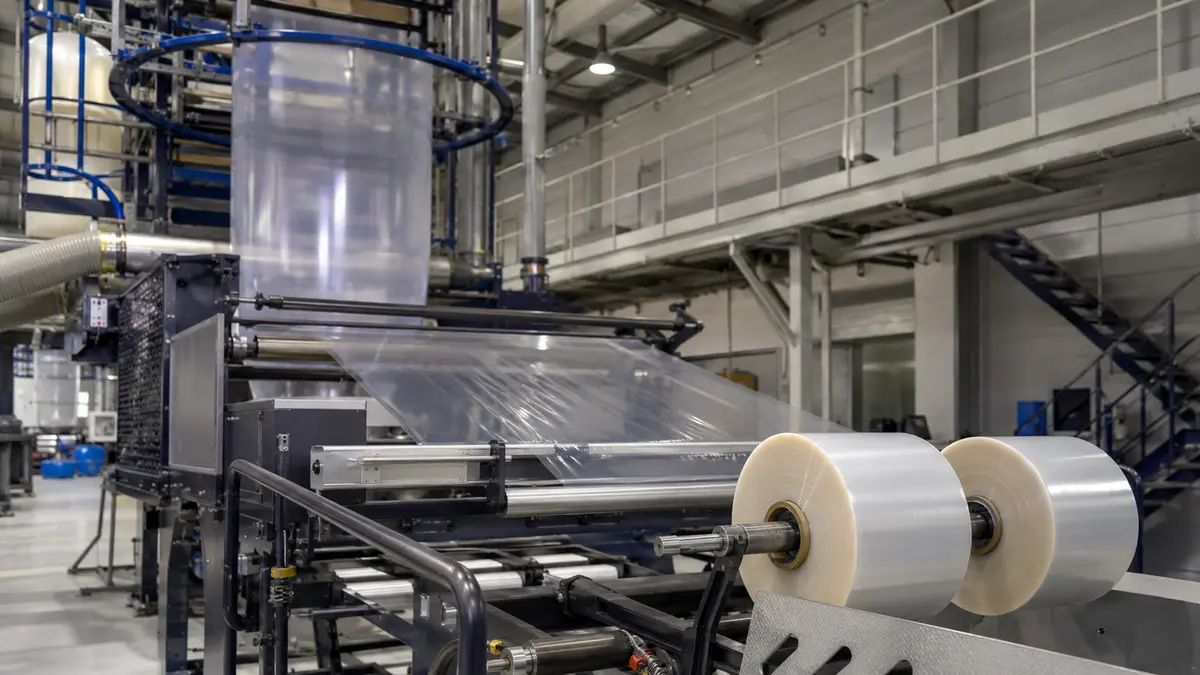
BOPP stands for biaxially oriented 폴리프로필렌. In production, a polypropylene web is stretched in both the machine direction (MD) and the transverse direction (TD). The NIST definition uses those two directions to distinguish BOPP from polypropylene that has not undergone the same two-axis orientation process.
That definition describes the substrate, not every product sold under the BOPP label. Commercial films may be mono- or multilayer, clear or opaque, sealable or non-sealable, coated, metallized, treated, cavitated, or designed for labels and tapes. A printed laminate containing BOPP may also include CPP, PE, adhesive, ink, coating, or another barrier layer. Its package performance belongs to the full construction and conversion process—not to the four-letter material name alone.
For procurement, ask suppliers to identify the exact grade, internal film construction, treated and sealable sides, thickness, and intended layer role. That prevents a common category error: comparing a plain print web with a heat-sealable overwrap or a barrier-coated film as though they were interchangeable.
How Biaxial Orientation Changes Polypropylene
Industrial lines can stretch film sequentially—first in one direction and then the other—or use a simultaneous route. Orientation reorganizes polymer chains and crystalline regions. The result can improve stiffness, tensile behavior, optics, dimensional consistency, or barrier relative to an unoriented reference, but the magnitude and MD/TD balance depend on resin, stretch ratio, temperature, heat setting, thickness, and layer design. The Springer overview of BOPP processes therefore supports a mechanism, not a universal data sheet.
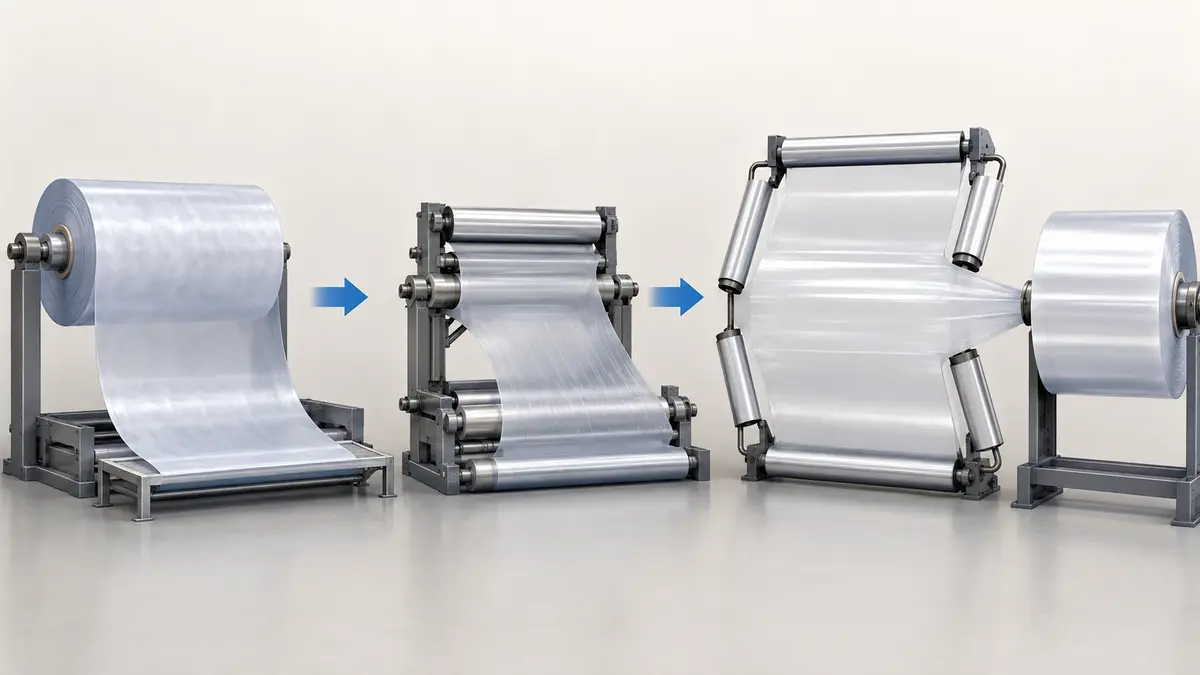
The practical takeaway is simple: orientation creates a useful engineering platform, while grade design determines the deliverable film. A process diagram should show resin extrusion, MD stretching, TD stretching, heat setting, 표면 처리, winding, and the separate downstream steps of printing, coating, metallization, lamination, and package formation.
Why BOPP Works in Flexible Packaging
BOPP is valuable because one thin web can contribute several functions: stiffness for web handling, a clear or engineered optical surface, moisture resistance, a print or lamination interface, and—in selected grades—a heat-seal surface. Those functions make it useful as an outer print web, overwrap, label facestock, tape backing, or specialized mono-web.
The limitations matter just as much. Mechanical values vary by MD and TD. Haze and gloss depend on the method, geometry, finish, and gauge. Oxygen and water-vapor transmission rates depend on the precise film or laminate, thickness, temperature, relative humidity, and test method. A catalog value is usually typical test data, not a purchase acceptance limit or a guarantee that the customer’s finished package will perform identically.
Mechanical and Optical Functions
Orientation commonly gives BOPP a crisp feel and useful 인장 강도, stiffness, clarity, and gloss. These traits can improve registration, presentation, and web handling, but they do not mean the film is equally tough in every failure mode. Tensile strength, elongation, tear propagation, puncture response, and shrinkage answer different questions. MD and TD results must remain separate.
Optical language also needs discipline. “Clear,” “high gloss,” “matte,” “pearlized,” and “opaque” are not points on one universal scale. Haze may be measured under ASTM D1003, while specular gloss may be reported under ASTM D2457 at a defined angle. A matte or cavitated film is intentionally designed for a different appearance than a clear high-gloss web. Compare like grades using the same method and thickness.
Moisture Barrier, Oxygen Limits, and Structural Context
Plain BOPP often provides useful resistance to water vapor, which is one reason it appears in dry-food and confectionery structures. Standard BOPP is generally not selected as a strong oxygen barrier by itself. Coatings, vacuum metallization, or a dedicated barrier layer can change both OTR and WVTR substantially.
Never compare a bare-film number with a finished-laminate target without aligning conditions. ASTM F1249 addresses water-vapor transmission, while ASTM D3985 is widely used for oxygen transmission through films. Reports should state temperature, relative humidity on each side, thickness, test area or orientation, units, and whether the result applies to a flat web or a completed package. The seal, folds, pinholes, printing, metallization damage, and laminate interfaces can make package performance different from a pristine film specimen.
Common BOPP Film Applications
BOPP applications are easiest to understand by mapping each format to the function the film supplies. A list of markets without layer roles encourages false equivalence. The same polymer family can be formulated very differently for a snack laminate, wraparound label, pressure-sensitive facestock, adhesive tape, or carton overwrap.
Use the following function-to-application map as a screening tool:
- Flexible food packaging: clear print surface, stiffness, moisture resistance, or a specialty seal/barrier function.
- Labels: facestock stiffness, print appearance, die-cutting behavior, moisture resistance, and compatibility with adhesive and container.
- Tape: dimensionally stable backing with controlled treatment and adhesion to the coating system.
- Overwrap: optics, foldability, slip, antistatic behavior, shrink response, and a suitable sealing window.
- Paper or board lamination: decorative appearance, scuff resistance, opacity, or wet/extrusion-lamination compatibility.
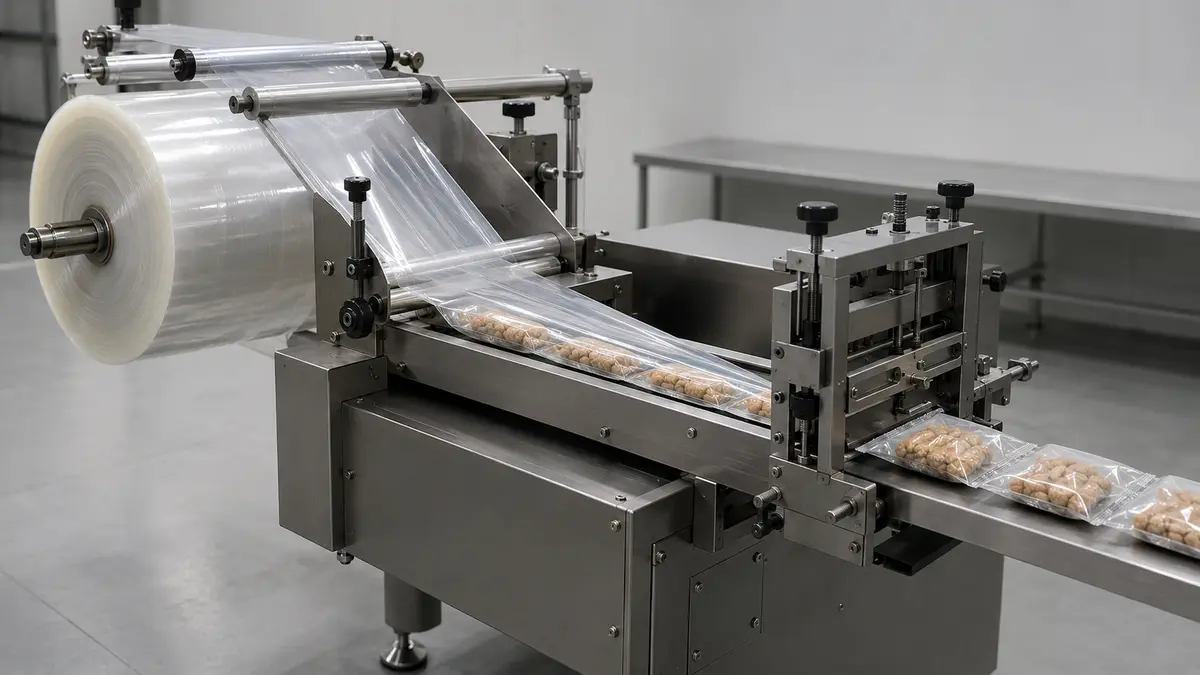
Food and Confectionery Packaging
In snack, bakery, confectionery, and dry-food packages, BOPP often acts as the outside print and stiffness layer. A 실링 가능 BOPP may work as a mono-web for certain overwrap or flow-wrap uses. Other structures pair BOPP with CPP or PE for sealing, metallized BOPP for improved light and 차단 성능, or a coating for a specific aroma, oxygen, mineral-oil, or sealing requirement.
The product decides the structure. Oil, aroma, moisture sensitivity, oxygen sensitivity, light sensitivity, target shelf life, filling temperature, and package geometry must be defined before film selection. Food-contact documentation must match the exact grade, formulation, market, food type, contact temperature, and duration. A supplier’s general food-packaging application list is not a global compliance certificate.
Labels, Tapes, Overwraps, and Industrial Uses
Pressure-sensitive labels use BOPP as a facestock combined with adhesive and release liner. Wraparound labels add seam behavior, stiffness, 치수 안정성,, and bottle-recycling considerations. In-mold labels require another set of feeding, static, die-cutting, and molding properties.
Tape backing typically needs controlled tensile behavior, treatment, thickness, winding, and compatibility with hot-melt, water-based, solvent-based, or other adhesive systems. Overwrap grades may prioritize sealability, hot slip, antistatic performance, optics, or controlled shrink. Industrial decorative and lamination grades may instead emphasize opacity, matte feel, print reception, or bond strength. Each use calls for its own TDS, trial plan, and finished-product checks.
BOPP Film Types and Surface Options
BOPP variants should be classified by the engineering change that creates their function. The main axes are seal layer, surface coating, metallization, appearance, density, treatment, and end-use geometry. Supplier names are not standardized, so selection should always return to the grade description and test data.
Useful selection cues include:
- Plain or non-sealable: chosen for print, lamination, tape, or other uses where sealing is provided elsewhere.
- Heat-sealable: one or both surfaces use a lower-melting functional skin or coating.
- Coated: acrylic, PVdC, or another coating adds a defined seal, barrier, print, or aroma function.
- Metallized: a thin metal layer changes light barrier, appearance, and gas/moisture transmission.
- White, cavitated, matte, or pearlized: appearance and density are engineered for opacity, yield, feel, or label/packaging functions.
Plain, Heat-Sealable, Coated, and Metallized Films
Plain BOPP is not necessarily heat-sealable to itself. A heat-sealable grade identifies which side seals and should provide a seal-initiation temperature, usable temperature window, 실링 강도, 특정 압력 및 체류 시간 하에서의 핫택(hot-tack) 데이터가 필요합니다. 코팅된 필름은 실링 윈도우를 넓히거나 배리어 성능을 개선할 수 있지만, 코팅은 잉크, 접착제, 규제 및 재활용 평가에도 영향을 미칩니다.
메탈라이즈드 BOPP는 단순히 “은색 BOPP”가 아닙니다. 광학 밀도, 금속 접착력, 핀홀 저항성, 취급 손상 및 규정된 시험 조건에서의 배리어 성능이 중요합니다. 금속층 위에 인쇄하거나 라미네이팅하면 추가적인 계면이 도입됩니다. 기능성 표면의 경우 어느 면이 처리, 코팅, 메탈라이즈, 인쇄, 라미네이팅 또는 실링 가능한 면인지 기록하고 롤(roll)을 확인하십시오. 권취 방향.
백색(White), 무광(Matte), 캐비테이티드(Cavitated) 및 라벨용(Label) 등급
백색 필름은 안료를 첨가하거나, 캐비테이션을 적용하거나, 여러 기능성 층으로 구성될 수 있습니다. 캐비테이션은 겉보기 밀도를 낮추고 불투명도와 수율을 증가시킬 수 있지만, 강성, 실링성, 배리어 및 기계적 거동을 변화시킵니다. 무광 등급은 높은 광택을 제어된 표면 외관과 맞바꾼 것이며, 라벨용 등급은 다이커팅, 순응성, 정전기 제어, 접착제 적합성 또는 용기 적용에 최적화될 수 있습니다.
사양을 대체하는 명칭으로 제품군 이름을 사용하지 마십시오. 두 개의 “백색 BOPP” 필름은 밀도, 불투명도, 두께, 실링성, 표면 처리 및 의도된 공정이 다를 수 있습니다. 제품군을 후보로 선정한 후 실제 등급을 승인하십시오.
BOPP 대 CPP, BOPET 및 PE
이 필름들은 단일 종합 순위에서 경쟁하는 대상이 아니라 상호 보완적인 엔지니어링 옵션입니다. 올바른 비교는 동일한 기준축을 사용하고 외부 웹, 배리어층 및 실런트 역할을 분리하여 수행해야 합니다.
| 필름 유형 | 주요 장점 | 일반적인 구조적 역할 | Important 검증이 필요한 한계 |
|---|---|---|---|
| BOPP | 강성, 광학 특성, 내습성, 인쇄 및 라벨 성능 | 외부 인쇄 웹, 오버랩, 페이스스톡, 테이프 백킹, 특수 단일 웹 | 표준 등급은 실링 성능이 우수하지 않을 수 있으며 강한 산소 배리어를 위해 추가 조치가 필요한 경우가 많음 |
| CPP | 더 부드러운 촉감, 충격 반응, 광범위한 히트실링 활용성, 핫택 옵션 | 내부 실런트 웹, 레토르트 또는 범용 PP 실링층 | 배향된 BOPP보다 낮은 강성과 상이한 열 및 광학 거동 |
| BOPET | 저두께에서의 강성, 치수 안정성, 내열성, 유용한 가스 배리어 | 라미네이트의 외부 인쇄 또는 기술층 | 별도의 실런트가 필요한 경우가 많으며 모노폴리머 설계 목표를 복잡하게 만들 수 있음 |
| PE | 인성, 유연성, 실링성, 광범위한 필름 및 파우치 사용 | PE 구조의 실런트 또는 1차 웹 | 광학 특성, 강성, 온도 반응 및 재활용 경로는 PE 등급과 구조에 크게 의존함 |
BOPP/CPP 라미네이트는 각 층이 역할을 분담하므로 일반적입니다. BOPP는 인쇄와 강성을 지지하고 CPP는 실링 표면을 제공합니다. BOPP/PE도 유사한 기능적 논리를 따릅니다. BOPP/BOPP 구조는 PP 중심 설계 전략을 지원할 수 있지만, 코팅, 잉크, 접착제, 메탈라이제이션 및 밀봉 수단은 여전히 재활용성과 성능에 영향을 미칩니다. 등급별 데이터를 비교하고 시험을 수행하십시오. 이 표를 포괄적인 대체 규칙으로 전환하지 마십시오.
인쇄, 라미네이션 및 실링 고려사항
대부분의 가공 실패는 계면에서 발생합니다: 잉크-필름, 접착제-필름, 라미네이트 층 간, 또는 실런트-실런트 간. 화학적으로 적합한 폴리머라도 표면 에너지, COF, 권취, 경화, 실링 조건 또는 장비 형상이 일치하지 않으면 가공 성능이 저하될 수 있습니다.
문제 해결 체인은 공정 순서를 따라야 합니다. 공급된 면과 처리 경과 시간을 확인하고, 잉크 또는 접착제 적합성과 도포량을 검증하며, 건조 또는 경화를 제어하고, 적절한 컨디셔닝 기간 후 접착 또는 실링 강도를 측정한 다음, 대표 속도에서 롤 취급과 포장 형성을 시험하십시오. 여러 변수를 동시에 변경하면 실제 원인이 은폐됩니다.
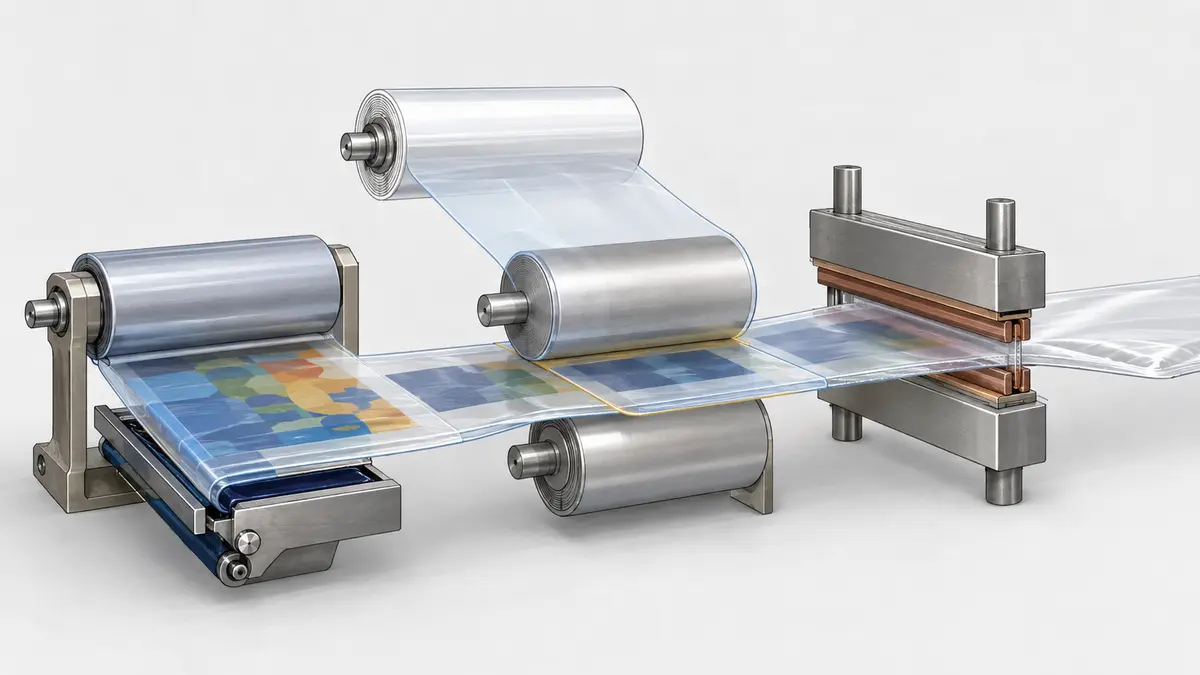
표면 처리 및 잉크 또는 접착제 적합성
폴리프로필렌은 고유 표면 에너지가 낮으므로 코로나 처리 는 습윤성과 접착력을 개선하기 위해 일반적으로 사용됩니다. 지정된 처리 값은 면과 방법을 식별해야 합니다. 처리는 보관 중 감쇠될 수 있으며 첨가제, 오염, 취급 및 환경 조건의 영향을 받을 수 있습니다.
다인(Dyne) 테스트는 입고 또는 공정 점검으로 유용하지만 최종 접착력을 입증하지는 않습니다. 잉크 화학, 용제 또는 수분 균형, 표면 청결도, 건조, 접착제 선택, 코팅 중량, 닙 조건 및 경화는 모두 중요합니다. 특히 메탈라이즈, 코팅, 무광, 고활주 또는 식품 접촉 구조의 경우 컨버터의 잉크 및 접착제 공급업체를 시험 계획에 포함하십시오.
실링층 및 포장 라인 적합성
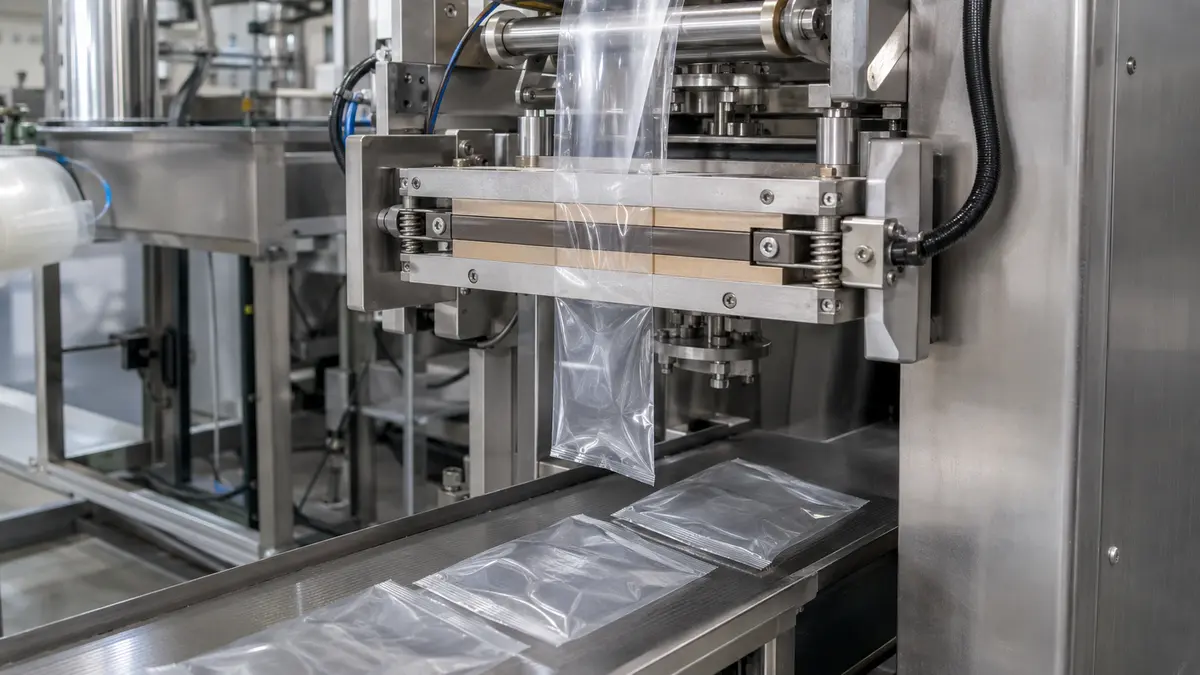
실링성은 시스템 특성입니다. 접촉하는 실링 표면, 죠 온도, 압력, 체류 시간, 냉각, 오염 및 line speed. 을 기록하십시오. 핫택은 실링이 아직 뜨거운 상태에서의 저항을 측정하며, 냉각된 실링 강도는 다른 상태를 측정합니다. VFFS에서는 죠가 열린 직후 제품 하중이 횡방향 실링에 도달할 수 있으므로 둘 다 중요할 수 있습니다.
COF도 동등하게 운영상 중요합니다. 정지 및 동적 COF는 언와인딩, 성형칼라 이동, 트래킹, 적층 및 공급에 영향을 줄 수 있습니다. “낮을수록 좋다”는 안전하지 않습니다. 마찰이 너무 높으면 드래그나 주름이 발생할 수 있고, 너무 낮으면 트래킹이나 적층이 불안정해질 수 있습니다. 실제 롤을 의도된 기계에서 시동, 목표 속도, 정지, 스플라이스 및 롤 종료 조건에 걸쳐 시험하십시오.
중요한 사양 및 시험 조건
유용한 RFQ 및 구매 사양은 공급업체 데이터 를 비교 가능하게 만듭니다. 공칭값 또는 대표값과 합격 한계를 구분하고, 시험 방법과 합의된 사양을 구별하십시오. 아래 표는 보편적인 시험 계획이 아닌 실용적인 최소 기준입니다.
| 항목 | 지정할 사항 | 해석 관리 기준 |
|---|---|---|
| 등급 및 구조 | 공급업체 등급, 층 설계, 실링/처리/코팅 면 | 의도된 용도 및 구조적 역할 |
| 두께 및 수율 | 공칭 게이지, 허용 오차, 단위면적당 중량 또는 단위중량당 면적 | 측정 방법, 밀도 가정, 로트 샘플링 |
| 롤 형상 | 폭/허용 오차, 코어 내경, 외경, 길이 또는 중량, 권취 방향, 스플라이스 한계 | 기계 최대치, 팔레트 패턴, 롤 품질 |
| 표면 및 COF | 처리 면/수준, 정지 및 동적 COF | ASTM D2578/D1894 또는 합의된 방법, 접촉면, 컨디셔닝 |
| 광학 특성 | 헤이즈, 광택 각도, 불투명도 또는 광학 밀도(해당 시) | ASTM D1003/D2457 또는 합의된 방법, 두께, 면 |
| 기계적 특성 | MD/TD 인장 강도 및 신율, 수축률, 관련 인열 또는 파열 강도 | 방법, 시편 방향, 온도, 시간, 컨디셔닝 |
두께, 수율, 롤 형상 및 마찰 계수
두께는 강성, 수율, 배리어, 실링 반응 및 평방미터당 비용에 영향을 미칩니다. 구매 주문서에는 공칭 마이크론 값만이 아니라 단위와 허용 오차를 명시해야 합니다. 수율 계산에는 정확한 밀도가 필요하며, 캐비테이티드 필름은 겉보기 밀도가 고체 투명 웹과 다르므로 특별한 주의가 필요합니다.
롤 정보는 생산 데이터이지 배송상의 부수 정보가 아닙니다. 폭, 폭 허용 오차, 코어 내경, 최대 외경, 롤 길이 또는 순중량, 권취 방향, 처리면 안쪽/바깥쪽, 스플라이스 수 및 표시, 가장자리 품질, 텔레스코핑 한계 및 포장을 확인하십시오. COF는 접촉하는 양쪽 표면과 보고된 결과가 정지 또는 동적 중 무엇인지 식별해야 합니다.
광학, 기계적, 배리어 및 실링 데이터
포장 리스크와 관련된 특성만 지정하십시오. 투명 디스플레이 포장은 헤이즈와 광택이 필요할 수 있고, 테이프 또는 라벨 웹은 탄성률, 수축률, 처리 및 권취를 우선시할 수 있으며, 유통기한에 민감한 식품은 OTR/WVTR 및 포장 무결성이 필요할 수 있고, 고속 VFFS 라인은 실링 곡선, 핫택, COF 및 대전방지 거동이 필요할 수 있습니다.
값이 대표값, 최소값, 최대값 또는 관리 범위인지 확인하십시오. 합격 판정을 위해 샘플링, 컨디셔닝, 방법 버전, 단위 및 처리 규칙을 정의하십시오. 분석 증명서는 공급된 로트에 대해 합의된 파라미터를 보고하는 경우에만 유용합니다.
BOPP 구조의 선택 및 검증 방법
선정은 카탈로그 선택이 아닌 게이트 방식의 엔지니어링 프로세스여야 한다. 각 게이트는 다음 단계에 필요한 정보를 생산하며, 패키지 시스템이 검증되기 전에 유망한 필름이 승인되는 것을 방지한다.
- 제품을 정의하라: 수분, 산소, 향, 오일, 빛, 온도 및 물리적 손상에 대한 민감도; 목표 유통기한 및 실패 기준.
- 패키지를 정의하라: 포맷, 치수, 실링, 개봉 거동, 인쇄 영역, 배리어 목표, 그리고 BOPP가 외층 웹, 실란트, 모노 웹, 페이스스톡 또는 백킹 중 어떤 역할을 하는지.
- 가공(Conversion)을 정의하라: 인쇄 공정, 잉크, 표면처리, 접착제 또는 압출 라미네이션, 경화, 금속화 또는 코팅, 슬리팅, 그리고 롤 방향.
- 포장 라인을 정의하라: HFFS, VFFS, 오버랩, 라벨링 또는 코팅 장비; 속도, 웹 경로, 최대 롤, 성형 형상, 실링 죠, 압력, 체류 시간 및 작동 범위.
- 후보 사양을 확정하라: 등급, 두께, 롤 포맷, 물성 시험 방법 및 조건, 허용 한계, 규제 문서 및 추적성.
- 단계별로 시험하라: 실험실 스크리닝, 가공업체 트라이얼, 생산 라인에서의 트라이얼 롤, 패키지 무결성 및 유통 검사, 이후 요구되는 제품 유통기한 또는 안정성 검증.
- 관리 조건과 함께 출시하라: 승인된 샘플, 서명된 사양, 변경 통지 규칙, 로트 문서화, 입고 검사 및 재검증 기준.
제품, 공정 및 유통 요구사항으로부터 사양을 구축하라.
고장 모드에서 시작하라. 수분에 민감한 스낵, 향에 민감한 제품, 병 라벨 및 접착 테이프는 동일한 BOPP를 필요로 하지 않는다. 각 위험을 측정 가능한 요구사항으로 변환한 후, 이를 담당하는 층 또는 공정에 배정하라. 운송 온도, 습도, 압축, 진동, 낙하 및 보관 조건을 관련된 경우 포함하라.
For 식품 접촉 의도된 사용 조건 하에서 완제품 접촉 물질의 모든 성분을 평가하라. FDA 지침은 일반적인 폴리머 승인이 아닌 조성, 이행, 식품 유형, 온도 및 기간을 강조한다. 다른 시장에서도 유사한 시장별 검토가 필요하다. 상업적 출시는 제품 전환, 라인, 유통, 규제 준수 및 유통기한 게이트가 완료될 때까지 보류해야 한다.
재활용성 및 지속가능성 주장의 경계.
BOPP는 폴리프로필렌 계열에 속하지만, 이 사실만으로 완성된 패키지가 모든 시장에서 재활용 가능하다는 것을 의미하지는 않는다. APR 디자인 가이드는 설계, 수거 접근성, 프로그램 수용 및 최종 시장 가치를 구분한다. RecyClass와 CEFLEX 또한 잉크, 접착제, 코팅, 배리어, 금속화, 라벨, 마개, 잔여 제품 및 선별 거동을 포함한 전체 구조를 평가한다.
책임 있는 평가는 다음을 수행해야 한다:
- 대상 국가 및 수거 경로를 식별하라.
- 지배적인 필름 층만이 아닌 전체 패키지를 평가하라.
- 의도된 PP 유연 포장 재활용 흐름과의 선별 가능성 및 호환성을 확인하라.
- 익숙하지 않은 코팅, 접착제, 안료, 배리어 또는 기타 혁신 사항을 적용 가능한 프로토콜에 따라 시험하라.
- “재활용을 위한 설계”와 실제 현지 수용 및 소비자 접근성을 구분하라.
- 마케팅 문구를 검증하고 현재 증거를 유지하라.
미국에서 FTC 그린 가이드에 따르면, 자격 없는 재활용 가능 주장은 해당 제품이 판매되는 소비자 또는 지역사회의 최소 60%에게 적절한 재활용 시설이 제공되는 경우에만 가능하다. 다른 시장은 다른 규칙과 인프라를 사용한다. 경량화, 제품 보호, 재활용 함량, 재활용성 및 수명주기 영향은 별개의 지속가능성 차원이다; 한 분야의 개선이 다른 모든 분야의 증거로 제시되어서는 안 된다.
자주 묻는 질문
BOPP 필름은 히트실링이 가능한가?
일부 BOPP 필름은 히트실링이 가능하고 일부는 그렇지 않다. 실링 가능한 등급은 한쪽 또는 양쪽에 기능성 스킨 또는 코팅을 사용하는 반면, 일반 인쇄 또는 라미네이션 등급은 자체 실링이 안정적이지 않을 수 있다. 실링 면, 실링 개시 온도, 사용 가능한 범위, 핫택, 냉각 실링 강도, 압력, 체류 시간 및 기계 조건을 확인하라. 공급업체 TDS 값은 트라이얼의 출발점이지 보편적인 설정값이 아니다.
BOPP 필름은 산소 배리어에 우수한가?
표준 BOPP는 일반적으로 강한 산소 배리어보다는 수분 저항성에 더 유용한 것으로 간주된다. 금속화, PVdC 또는 기타 코팅, 그리고 추가 배리어 층은 OTR을 크게 낮출 수 있다. 명시된 방법, 온도, 상대습도, 두께, 시험 면 및 단위로 정확한 필름 또는 라미네이트를 비교하라. 패키지 실링 및 가공 손상도 검증되어야 한다.
BOPP 필름을 식품 포장에 사용할 수 있는가?
그렇다. 적합한 BOPP 등급은 식품 포장에 널리 사용된다. 모든 등급 또는 모든 시장에서 규제 준수가 자동으로 이루어지는 것은 아니다. 대상 관할권, 식품 유형, 접촉 온도, 기간 및 사용 조건에 대해 완전한 배합과 구조를 검증하라. 요구되는 경우 최신 등급별 선언서 및 이행 또는 지원 문서를 확보하라.
BOPP와 CPP의 차이점은 무엇인가?
BOPP는 MD와 TD 양방향으로 연신되며 일반적으로 더 강성이고 선명한 질감을 가진다. CPP는 이축 연신 없이 캐스트 필름 공정으로 제조되며 일반적으로 더 부드럽고 유연하며 실란트 역할에 적합한 경우가 많다. 많은 라미네이트는 BOPP를 인쇄와 강성을 위해 외부에, CPP를 실링을 위해 내부에 사용한다. 등급별 물성이 여전히 결정을 좌우한다.
BOPP 필름은 재활용 가능한가?
PP 재활용 설계와 호환될 수 있지만, 완전한 패키지와 현지 시스템이 주장의 근거를 결정한다. 폴리머 균형, 잉크, 접착제, 코팅, 배리어 층, 금속화, 라벨, 마개, 선별 거동, 수거 접근성, 프로그램 수용 및 최종 시장을 패키지가 판매되는 국가의 현행 지침에 따라 확인하라.
BOPP 필름 RFQ에는 무엇을 포함해야 하는가?
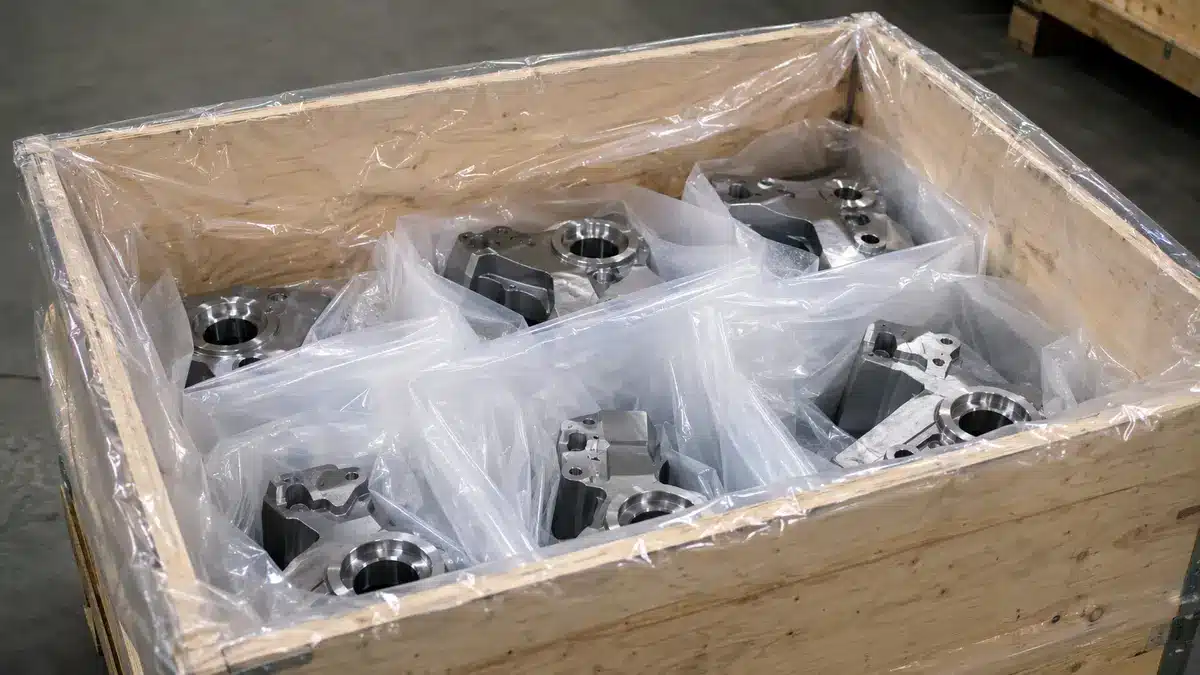
제품 및 적용 분야, BOPP 층의 역할, 현재 또는 목표 구조, 등급 유형, 두께 및 허용 오차, 폭, 롤 길이 또는 중량, 코어 내경, 최대 외경, 권취 방향, 표면처리 및 실링 면, COF, 시험 조건을 포함한 배리어 및 실링 목표, 인쇄/라미네이션 공정, 기계 유형 및 속도, 수량, 도착지, 포장, 규제 문서, 추적성, 샘플, 트라이얼 롤 필요 사항 및 변경 통지 기대 사항을 포함하라.
 English
 Japanese
 French
 Spanish
 Korean
 Italian
 Portuguese
 Dutch
Dutch Arabic
 Russian
 German