
Packaging films have a big impact on products. Companies that want to optimize their packaging processes. You need to know the differences between polyolefin (POF) and polyvinyl chloride (PVC) shrink film. So that consumer expectations can be met. PVC and POF shrink film are durable, low-cost, protective products, and easy to transport. By choosing the right type of film, goods can be transported more safely. This article will explain the pros and cons of these shrink wraps. This will help you learn more about both materials!
What is POF (polyolefin) shrink film?
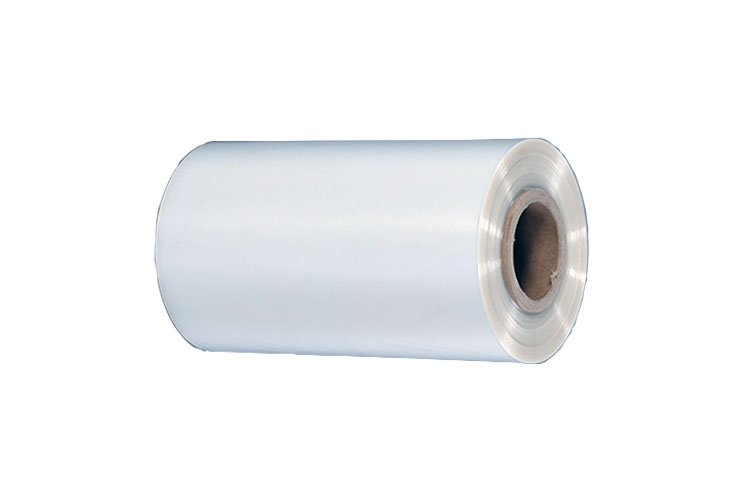
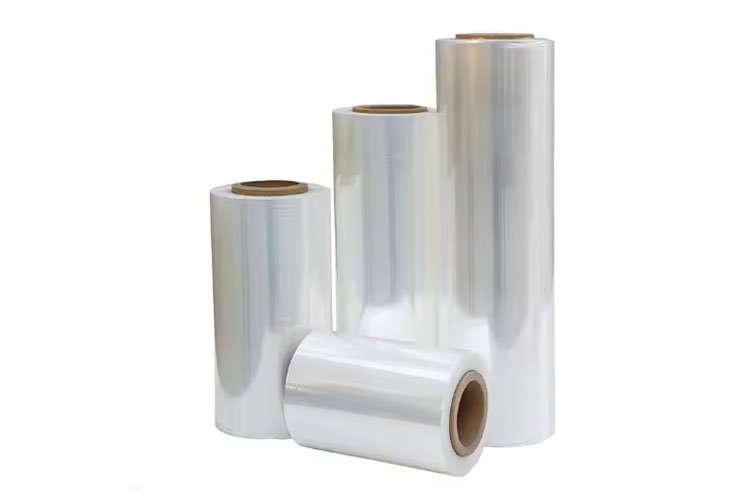
POF shrink film is a very good advanced packaging material. It has high transparency, flexibility, and strength. It also has excellent puncture resistance. In the transportation and storage of products, it is beneficial to protect them from damage. POF shrink film shrinks when heated, making it ideal for closing goods. Nowadays, an increasing number of use cases are choosing POF. The FDA also approves POF as a food safety material.
Advantages of POF Shrink Film
POF shrink film boasts an excellent structure, crafted from materials with superior strength. It offers numerous specific advantages and benefits.
- High Transparency and Clarity: POF shrink film provides exceptional clarity. When used to wrap products, the contents remain easily visible. This effectively enhances the product’s aesthetic appeal. It is commonly used for packaging candies, cosmetics, retail items, gifts, and more, significantly boosting visual appeal.
- Outstanding Mechanical Properties: POF shrink film demonstrates exceptional tear resistance and puncture resistance. It can securely wrap items with sharp edges or irregular shapes. Its high strength ensures it remains intact during transport, even when subjected to vibrations. It provides reliable protection for everything from large furniture items to delicate electronic equipment.
- Versatile Sizes and Shapes: POF shrink film comes in various dimensions, including machine-grade, hand-grade, and automatic shrink film, catering to diverse requirements. Its exceptional flexibility ensures compatibility with multiple packaging machine styles. High adaptability means specialized packaging equipment is rarely required.
- Environmentally Friendly and Recyclable: POF shrink film is typically manufactured from recyclable materials. Not only is it convenient to process, but it can also be recycled and reused. With the advancement of the packaging industry and growing environmental awareness, an increasing number of regions are implementing legal requirements for the production and recycling of plastic packaging films. Compliance with local environmental standards is mandatory, and failure to meet them may result in penalties.
- FDA-Approved Safety: POF shrink film holds FDA safety certification, confirming its suitability for direct food contact without transferring harmful substances. This is crucial for the food packaging industry, enabling safer food packaging. Additionally, POF shrink film offers excellent barrier properties, effectively blocking moisture and oxygen to significantly extend food shelf life.
Disadvantages
POF shrink film is strong and can wrap items of various sizes. But the cost is very high; the price is more expensive. The shrinkage rate is only about 20%, which is not as good as PVC. This leads to some cases that may not be wrapped as well as PVC. It may cause economic loss to the enterprise, and the product may be damaged.
Applications of POF (Polyolefin) Shrink Film
POF shrink film boasts outstanding performance and numerous advantages, finding applications across diverse fields and scenarios.
Food Packaging Sector:
The most common application of POF shrink film is in food packaging, spanning produce and agricultural goods, confectionery and baked goods, frozen and ready-to-eat foods, meat products, dairy items, and beverage packaging.
Agricultural Produce Packaging:
POF shrink film provides excellent barrier properties, effectively blocking moisture and oxygen. To maintain freshness and prevent internal condensation, small ventilation holes are often punched into the packaging for certain agricultural products. This extends the shelf life of the produce.
Confectionery and Baked Goods Packaging:
POF shrink film is also used for packaging candy boxes and baked goods. These products require protection from moisture exposure and high humidity environments. POF shrink film effectively addresses this need while preventing external contamination.
Beverage and Alcohol Packaging:
POF shrink film is highly suitable for packaging beverages and alcoholic drinks. Whether for soft drinks, juices, or alcoholic beverages, POF shrink film not only protects products from damage but also enhances their visual appeal through its clarity and transparency.
Medical Supplies Packaging:
POF shrink film’s outstanding barrier properties effectively prevent contamination. In the medical device sector, it is commonly used for manufacturing medicine bottles, reagent bags, and medical instruments, safeguarding pharmaceuticals from contamination or moisture.
Consumer Goods Packaging:
POF shrink film finds extensive application in consumer goods packaging, such as electronics, cosmetics, and household products. Its outstanding tear resistance and puncture resistance effectively protect products from damage during transportation.
What is PVC (polyvinyl chloride) shrink film?
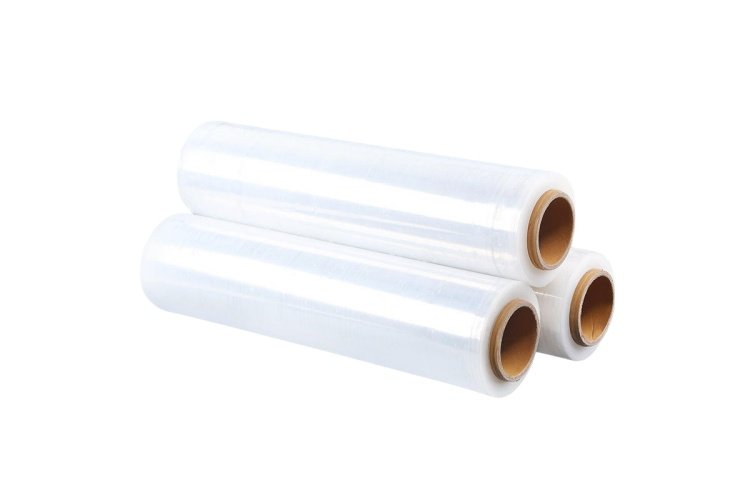
PVC shrink film is also a plastic packaging material. It is made from polyvinyl chloride, a versatile thermoplastic polymer. It has a strong shrinkage force and provides a tight conformity to the shape of the item. Used for packaging non-edible items like CDs, DVDs, and small cans. It also works well with automated machines.
PVC film has a very high shrinkage rate, and it tightly conforms to the shape of the packaged item. Due to its lightweight and low cost, it has a high shrinkage rate, making it very popular today.
PVC shrink film comes in two types: rigid PVC and flexible PVC. Both are great for wrapping various items.
PVC (polyvinyl chloride) advantages?
The unique structure and properties of PVC shrink film make it highly versatile. Below are the advantages of PVC shrink film:
Excellent Durability:
PVC shrink film offers outstanding durability. It possesses exceptional tear resistance and puncture resistance. In everyday packaging and protection scenarios, it effectively safeguards products. It can even protect products well under extreme weather conditions.
Superior Chemical Resistance:
PVC shrink film exhibits outstanding chemical resistance. It tolerates acids, alkalis, and salts, making it an effective barrier in environments with chemical agents or components. Applications include chemical storage, pipeline systems, and extensive use in medical and construction industries.
High Cost-Effectiveness:
PVC shrink film boasts relatively low production costs. For enterprises pursuing long-term development, it offers exceptional value for money. Its outstanding performance makes it crucial for businesses focused on cost control.
Environmentally Friendly and Recyclable:
PVC shrink film is recyclable and non-toxic to the environment. It complies with safety standards in most regions. As more countries and regions prioritize environmental concerns regarding plastic products, Selecting recyclable, eco-friendly packaging materials is vital for businesses.
Superior Insulation Properties:
PVC is non-conductive, making it an excellent electrical insulator. In construction, it’s used for packaging wires and insulated cables. Its outstanding heat resistance also allows it to serve as thermal insulation. It is difficult to ignite and does not generate significant heat when burning. This is crucial for workers operating in high-temperature environments.
PVC (Polyvinyl Chloride) disadvantages.
PVC shrink film has two main disadvantages. One is that it is very demanding in terms of temperature. It becomes easy to break and risky when the temperature is not suitable. The second is that you cannot pack too many goods. Because it is too thin and easy to break, it is only suitable for packing single items, not for wrapping multiple items.
Difference between POF (Polyolefin) and PVC (Polyvinyl Chloride) Shrink Film
In the field of packaging, POF shrink films and PVC shrink films are different, and the following is a comparison between them:
Material composition and safety:
- POF shrink film is made of multilayer polymers, free of plasticizers, and is safe and environmentally friendly. It complies with FDA food packaging standards. Heat does not release harmful gases, making it suitable for food packaging and safe for both people and the environment.
- PVC shrink film: the main component is polyvinyl chloride, usually containing plasticizers to increase flexibility. It can release toxic gases such as hydrogen chloride when heated and should not be used for food packaging or in safety-regulated environments.
Clarity of appearance:
- POF shrink film: very clear, with a soft surface that is not easy to break. It enhances the visual appeal of products on retail shelves and is suitable for displaying food or delicate goods.
- PVC shrink film: the material has a smooth surface, is relatively transparent, and has good clarity. However, when it is thicker, it may be slightly blurred or distorted, which may affect the visual appeal. However, it can also meet the requirements of retail products such as CDs, DVDs, and gift items.
Shrinkage properties:
- POF shrink film: characterized by its high heat shrinkage rate and transparency, enabling tight conformity to the shape of the goods. The packaging effect is smooth, allowing it to shrink quickly and completely. After exiting the shrink tunnel, the product becomes the finished form.
- PVC shrink film: Offers good shrinkage performance and a strong shrinkage force, resulting in tight packaging. However, after shrinkage, it becomes fragile, prone to breaking, and unsuitable for bundling multiple items.
Environmental impact:
- POF shrink film: non-toxic and recyclable, more environmentally friendly than PVC film. It is favored by industries that focus on sustainable development.
- PVC shrink film: Environmental concerns due to the release of toxic chemicals during production and handling.May face stringent regulatory restrictions.
Costs:
- POF shrink film: High upfront costs, but performance and environmental advantages can make long-term investment worthwhile.
- PVC shrink film: Low price, attractive to companies with tight budgets. However, environmental impacts and safety concerns may increase long-term costs.
Strength and durability:
- POF shrink film: High puncture resistance and packaging safety during transportation and storage.High flexibility and tear resistance for frequent transportation and handling.
- PVC shrink film: good strength and durability, performs well in temperature-stable environments. However, it is not as durable as POF film, as it becomes fragile during temperature fluctuations.
Areas of application:
- POF shrink film: a wide range of applications. They cover areas such as food, toys, games, candy, books, and most retail merchandise. It can also be used for bundling multiple items. For example, items like tissue boxes and multiple bottles of beverages.
- PVC shrink film: mostly used for non-food goods retail packaging.For example, books, software, electronics, etc.Especially suitable for indoor use. Commonly used in CD/DVD packaging and game boxes.
Best POF Shrink Film Manufacturer for your business!
BestYpack is a leader in the field of (POF) shrink film manufacturing and exporting. The quality of the products is excellent, the reliability is high, and the customer satisfaction is very good.
BestYpack has a variety of products for your packaging needs. Whether you need packaging for food, household items, or other products, we have you covered!
Related Products

Related Blog

Hello, customers
My name is Jack Yu. I am the Business Manager at BestY Pack Plastic Products. My areas of expertise include film packaging, cold chain transportation packaging, and shrink products. Additionally, our factory manufactures protective gloves, and I can provide you with professional solutions to help you increase your market share and enhance consumer trust.
Email: ᅠjackyu@bestypack.com
Tel: +86 18368319351