
I sistemi di isolamento più comuni includono contenitori in schiuma rigida, rivestimenti flessibili riflettenti o espansi, rivestimenti a base di fibre e pannelli ad alte prestazioni come i pannelli isolanti sottovuoto. Ogni famiglia rallenta il trasferimento di calore in modo diverso, ma nessuna determina da sola le prestazioni della spedizione. L'acquirente deve valutare l'isolamento insieme al cartone esterno, al carico utile, al refrigerante, al confezionamento, al condizionamento, al percorso e ai limiti di accettazione. Questa guida confronta le principali famiglie, identifica i compromessi pratici e mostra come trasformare una rosa di materiali in un sistema di spedizione passivo qualificato.
Cosa si intende per imballaggio isolante?
Per informazioni di base sui polimeri, consultare il NIH PubChem polypropylene overview before comparing finished-film claims.
L'imballaggio isolante è la parte di un sistema di spedizione passivo che resiste al flusso di calore tra il carico utile e l'ambiente circostante. Può essere stampato come contenitore frigorifero, fornito come pannelli tagliati, piegato in un rivestimento o assemblato da pannelli fibrosi o sottovuoto. La sua funzione è diversa da quella di un pacco di gel, di un pacco a cambiamento di fase o del ghiaccio secco. Questi refrigeranti assorbono o rilasciano calore; l'isolamento rallenta la velocità con cui le condizioni esterne influenzano il carico utile.
Il calore può entrare attraverso pareti, angoli, giunzioni, chiusure e spazi attorno al carico utile. La conduzione attraverso i materiali, il movimento dell'aria attraverso le perdite e la radiazione attraverso gli spazi possono tutti essere rilevanti. Pertanto, una superficie riflettente, una parete spessa o un materiale premium non costituiscono di per sé una conclusione progettuale completa.
| Famiglia | Forma comune | Motivo per la shortlist | Punto critico principale |
|---|---|---|---|
| Schiuma rigida o semirigida | Contenitore stampato o set di pannelli | Geometria stabile e formati di confezionamento consolidati | Volume di stoccaggio, giunzioni, rotture, e percorso di smaltimento |
| Rivestimento flessibile riflettente o espanso Rivestimento piegato, busta o | coppia di pannelli Stoccaggio collassabile e adattabilità al | cartone Chiusura, compressione, cuciture e | geometria effettiva dello spazio d'aria Materassino in carta, cellulosa, cotone, denim |
| Isolamento a base di fibre | o lana, Costruzione collassabile e possibili | percorsi di recupero delle fibre Umidità, rivestimenti di contenimento, rilascio di particelle | e raccolta locale, Set di pannelli sottovuoto o altri |
| Pannello avanzato | pannelli ad alte prestazioni Maggiore spazio per il carico utile entro | una dimensione esterna vincolata Le schiume rigide sono ampiamente utilizzate perché combinano l'isolamento con una cavità definita e una certa protezione fisica. Possono presentarsi come un contenitore stampato monopezzo, un contenitore frigorifero a due pezzi o un rivestimento a sei pannelli inserito in cartone ondulato. La geometria è | Foratura, perdite ai bordi, invecchiamento, protezione e costo |
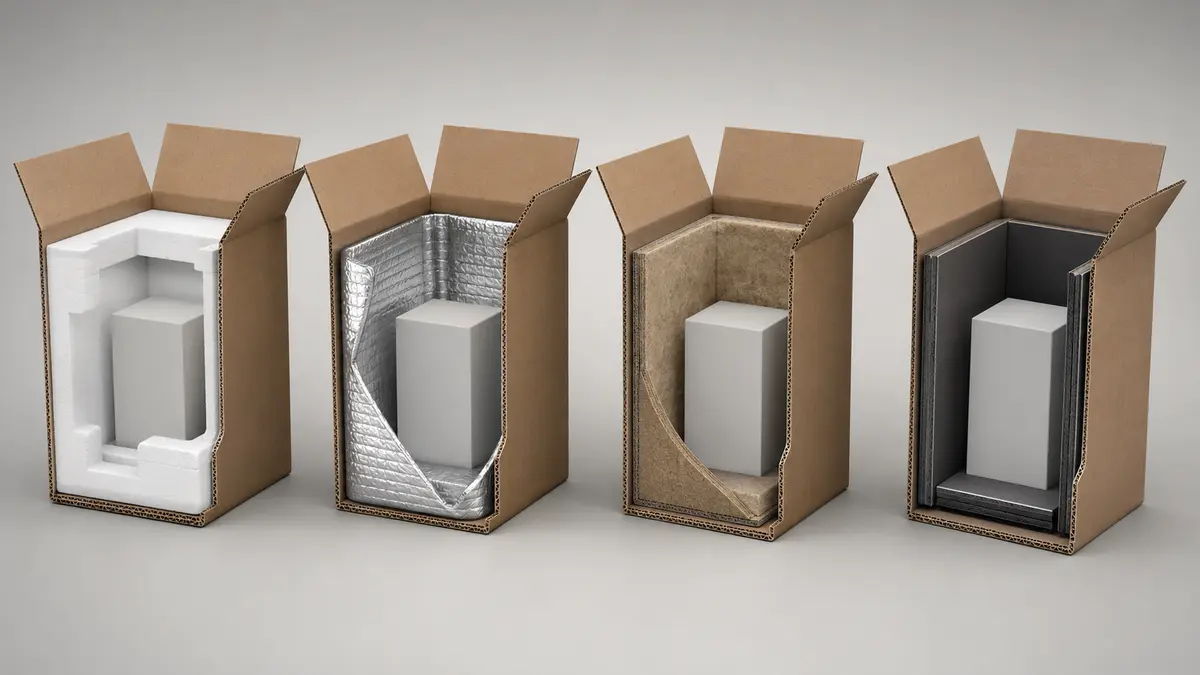
Questa tabella è una mappa di orientamento, non una classifica di prestazioni. La costruzione finale e il confezionamento testato determinano se una famiglia è adatta.
Spedizionieri e rivestimenti isolanti in schiuma rigida
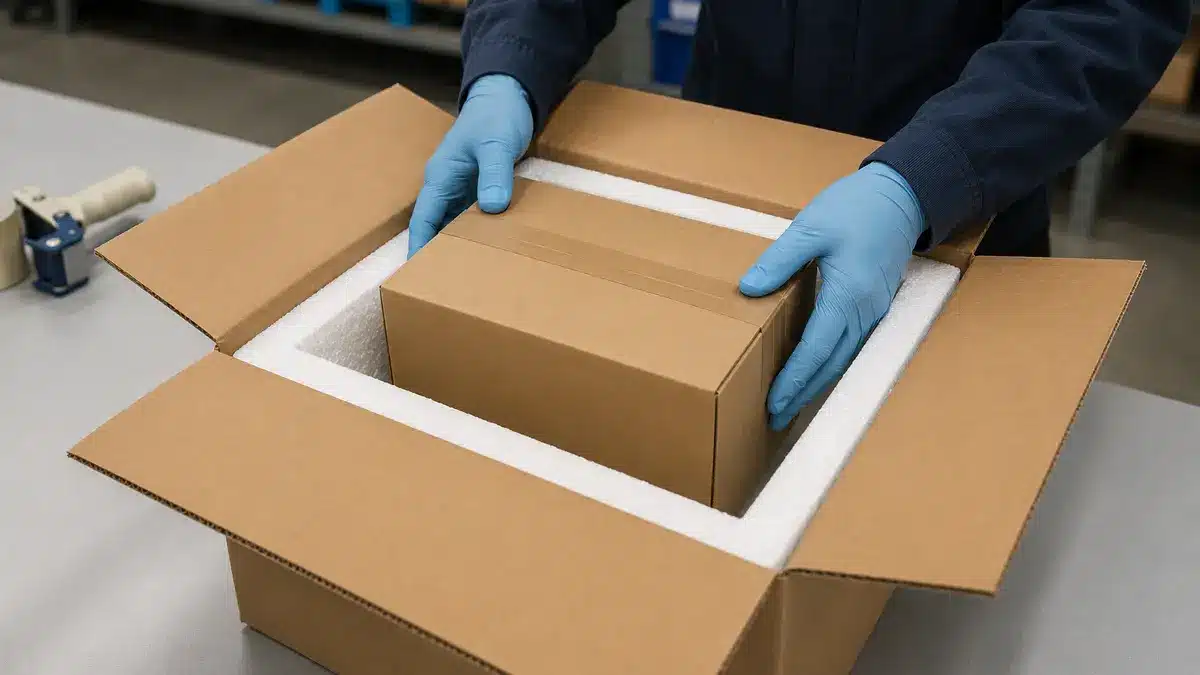
fondamentale: l'adattamento dei pannelli, la sovrapposizione del coperchio, le giunzioni angolari e la continuità delle pareti possono modificare l'intero imballaggio anche quando la famiglia di schiuma nominale è la stessa. importanteLa schiuma di poliuretano (PUR) può essere stampata, espansa in sito o utilizzata come pannelli di rivestimento flessibili o semirigidi. Viene spesso presa in considerazione quando contano l'efficienza delle pareti o un formato compatto di stoccaggio, ma i dettagli costruttivi e i controlli di manipolazione devono essere esaminati. La schiuma di polietilene (PE) è resiliente e può essere laminata o trasformata in pannelli flessibili; il polipropilene espanso.
Polistirene espanso ed estruso
Il polistirene espanso (EPS) è comunemente stampato in contenitori termici o tagliato in pannelli di rivestimento. La sua bassa massa e la stabilità dimensionale rendono praticabili confezionamenti ripetibili, e lo stampaggio personalizzato può integrare angoli e un coperchio a misura. I compromessi riguardano l'ingombro in stoccaggio, la suscettibilità a rotture o scheggiature e le opzioni di fine utilizzo che variano in base alla località e al programma di raccolta.
Il polistirene estruso (XPS) è tipicamente fornito come lastre più continue e può essere lavorato in pannelli. Non deve essere trattato come intercambiabile con l'EPS solo perché entrambi sono polistirene. Struttura cellulare, densità, spessore, rivestimenti, giunzioni e metodi di lavorazione differiscono. Gli acquirenti dovrebbero confrontare disegni, specifiche dei materiali, tolleranze dimensionali e risultati dei test di sistema piuttosto che fare affidamento sul nome del polimero.
Schiume di poliuretano, polietilene e polipropilene espanso
(EPP) è spesso considerato per contenitori durevoli e riutilizzabili perché tollera meglio la manipolazione ripetuta rispetto a molte schiume fragili. polypropylene Anche i sistemi a pannelli presentano giunzioni e bordi. Un valore al centro del pannello potrebbe non descrivere una scatola completa a sei lati con spazi, dettagli angolari, rivestimenti protettivi e chiusure. I VIP richiedono pertanto una manipolazione protettiva, un assemblaggio definito, criteri di ispezione e.
Queste descrizioni sono tendenze a livello di famiglia, non proprietà garantite. Un confronto utile richiede il tipo esatto di schiuma, densità o grado, costruzione delle pareti, rivestimenti, progettazione delle giunzioni, tolleranze dimensionali, limiti di pulizia per i sistemi riutilizzabili e prove di test per il confezionamento finale.
Rivestimenti flessibili riflettenti e in schiuma
I rivestimenti flessibili sostituiscono una cavità stampata con fogli pieghevoli, buste o pannelli interconnessi. Il loro principale vantaggio operativo è di solito la flessibilità di stoccaggio e di adattamento al cartone. Il loro comportamento termico, tuttavia, dipende da ciò che si trova all'interno della superficie esterna lucida, da come il rivestimento si chiude, se viene compresso e se cuciture o pieghe creano percorsi di calore facili.
Rivestimenti riflettenti a bolle e in schiuma cellulare
I rivestimenti riflettenti a bolle combinano una superficie a bassa emissività con uno o più strati cellulari o a bolle. Altri rivestimenti posizionano schiuma flessibile di PE o PUR tra rivestimenti in film. Una superficie riflettente può ridurre lo scambio radiante in una configurazione appropriata, ma l'aspetto da solo non stabilisce la resistenza totale al trasferimento di calore. Il contatto con altre superfici, la perdita di uno spazio d'aria previsto, forature, pieghe e geometria delle cuciture possono modificare le prestazioni.
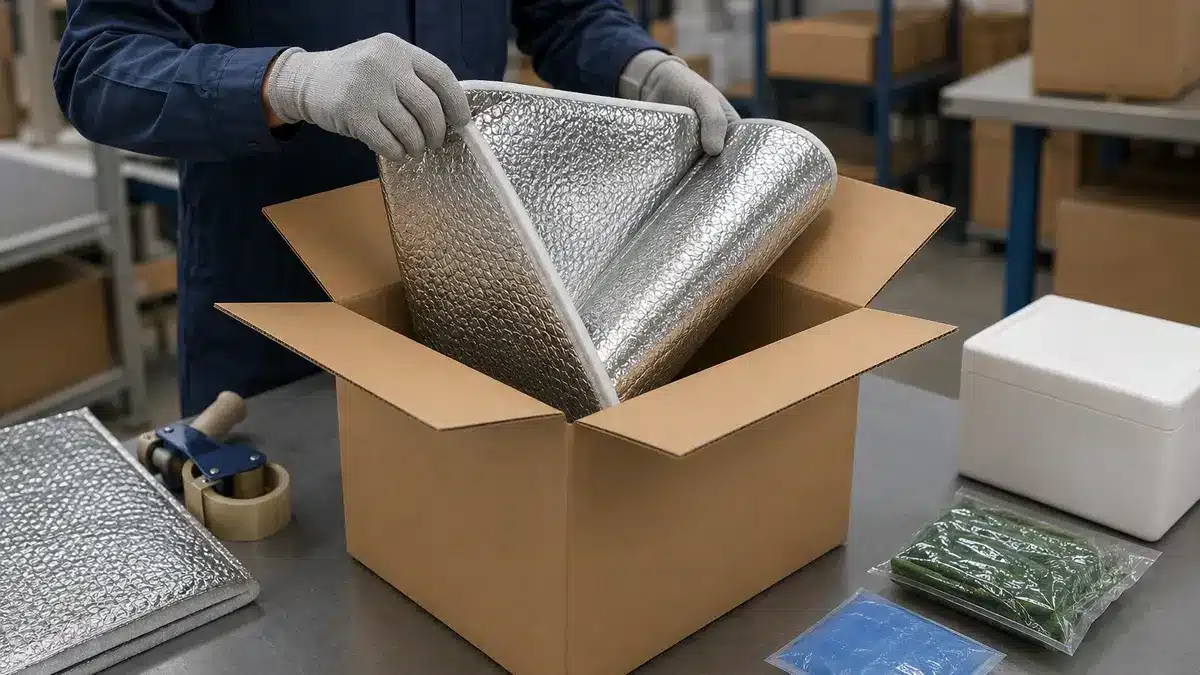
Per l'approvvigionamento, specificare la costruzione completa piuttosto che richiedere solo “bolla in alluminio” o “rivestimento in schiuma”. Il fornitore deve identificare il materiale del nucleo, il numero e la disposizione degli strati, la costruzione del rivestimento e delle cuciture, lo spessore finito, il metodo di chiusura, l'adattamento previsto al cartone e le eventuali istruzioni di condizionamento o assemblaggio utilizzate per i test.
Dove i rivestimenti flessibili sono adatti—e dove non lo sono
| Condizione del progetto | Il rivestimento flessibile può essere adatto quando | Sono necessarie prove più solide o un'altra famiglia quando |
|---|---|---|
| Ciclo di distribuzione breve o moderato | Il profilo ambientale e il confezionamento sono stati testati con margine | Ritardi, tempi di sosta o estremi stagionali dominano il percorso |
| Dimensioni variabili dei cartoni | Il rivestimento può essere adattato senza spazi incontrollati o compressione | Gli operatori devono improvvisare pieghe o la chiusura non può essere ripetuta |
| Spazio di magazzino limitato | Lo stoccaggio piatto o compresso riduce il volume in ingresso | La compressione modifica il rivestimento e il recupero non è controllato |
| Carico utile facilmente danneggiabile | La protezione secondaria gestisce urti e contatto con il refrigerante | L'isolamento deve anche fornire una cavità protettiva rigida |
I rivestimenti flessibili possono essere efficaci, ma non sono automaticamente sostituti diretti della schiuma stampata. Una conversione deve essere testata con il carico utile reale, il cartone, il posizionamento del refrigerante, la chiusura, gli operatori e i rischi di distribuzione previsti.
Isolamento a base di fibre, carta e lana
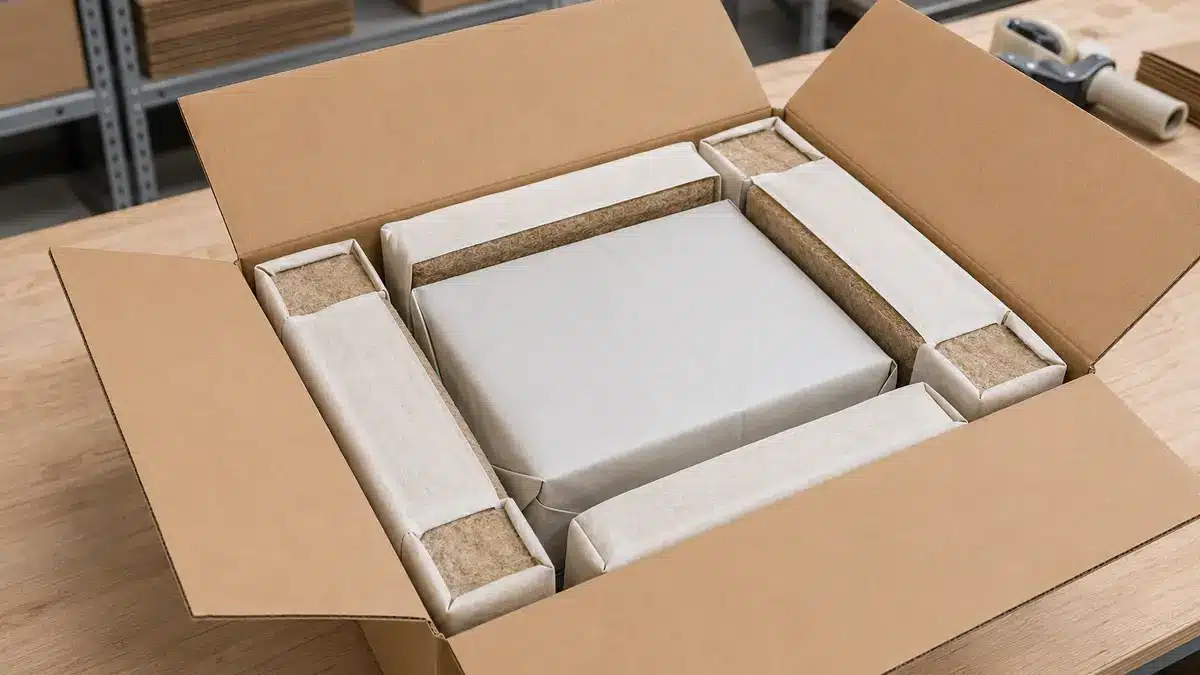
I rivestimenti fibrosi rallentano il flusso di calore principalmente trattenendo l'aria all'interno di una struttura a bassa densità o a strati. Possono essere forniti come cuscinetti, rivestimenti piegati, buste o set di pannelli. Il loro valore pratico può includere lo stoccaggio collassabile e una narrazione materiale a base di fibre, ma l'intero assemblaggio—non il nome della fibra—determina il comportamento termico, la pulizia, la risposta all'umidità e il fine utilizzo.
Rivestimenti in cellulosa e fibra di carta
I rivestimenti in carta e cellulosa possono utilizzare strati ondulati, strutture di carta piegate, fibre sciolte o legate, o cuscinetti formati racchiusi in un involucro di carta o film. La struttura interna deve mantenere lo spessore durante il confezionamento e il trasporto; lo schiacciamento o l'umidità possono alterare gli spazi d'aria che supportano l'isolamento. I progettisti devono anche controllare fibre sciolte, bordi, cuciture e qualsiasi strato barriera utilizzato vicino a condensa o perdite.
Un'affermazione come “carta riciclabile” richiede una revisione completa della costruzione. Film plastici, adesivi, rivestimenti, trattamenti di resistenza all'umidità, perdite di refrigerante e contaminazione alimentare possono influenzare l'accettazione. La domanda corretta è se il rivestimento finito è accettato dal sistema di raccolta e smistamento disponibile per il destinatario.
Rivestimenti in Cotone, Denim e Lana
Cotone, denim riciclato e lana possono essere formati in stuoie flessibili che avvolgono il carico o rivestono un cartone. Possono tollerare forme irregolari e fornire un'utile imbottitura, ma l'uniformità dello spessore, il contenimento delle fibre, gli odori, la polvere, l'assorbimento dell'umidità e i controlli su parassiti o igiene possono essere rilevanti per il settore di destinazione. Rivestimenti superficiali che migliorano la pulizia o la resistenza all'umidità modificano anche il percorso di recupero.
Gli acquirenti dovrebbero richiedere la composizione delle fibre, i materiali leganti e di rivestimento, la densità finale e la tolleranza di spessore, il metodo di protezione dall'umidità, i controlli di rilascio delle fibre, le condizioni di stoccaggio e le istruzioni di smaltimento per mercato. La qualifica termica deve comunque utilizzare l'imballaggio assemblato. Una materia prima naturale o riciclata non costituisce prova di una specifica durata di temperatura, di un risultato di carbonio, di riciclabilità o compostabilità.
Pannelli Isolanti Sottovuoto e Altri Isolamenti Avanzati
I pannelli avanzati vengono presi in considerazione quando un progetto richiede un maggiore volume utile all'interno di un contenitore esterno fisso, una minore richiesta di refrigerante o un controllo dell'esposizione più prolungato rispetto a quanto possano offrire le pareti convenzionali. I pannelli isolanti sottovuoto (VIP) sono l'esempio più noto nei sistemi di spedizione a catena del freddo. Altri prodotti avanzati possono utilizzare coperte contenenti aerogel o pannelli compositi proprietari, ma le loro prestazioni non possono essere dedotte dal nome della categoria.
Come Funzionano i Pannelli Isolanti Sottovuoto—e Perché i Danni Contano
Un VIP contiene normalmente un nucleo poroso all'interno di un involucro barriera ai gas dal quale l'aria è stata rimossa. La riduzione della conduzione del gas può produrre un pannello altamente isolante a spessore contenuto. L'involucro è funzionale, non decorativo: una perforazione, una tenuta guasta o un'ingresso di gas a lungo termine possono ridurre le prestazioni.
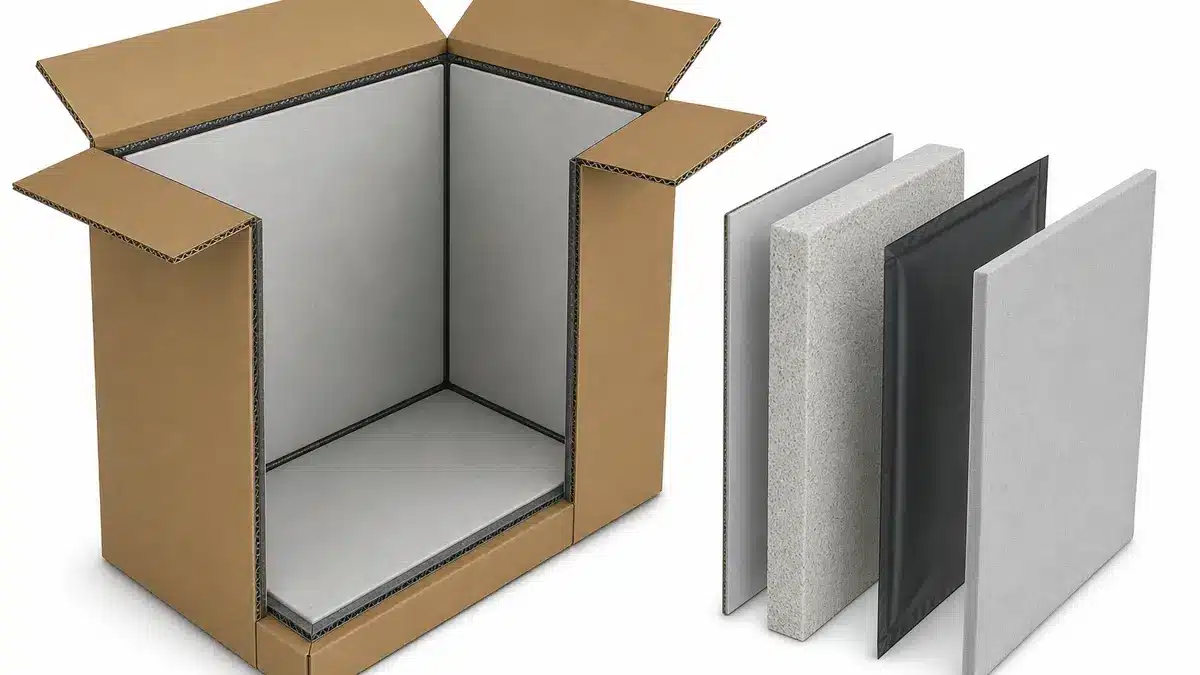
protocolli che affrontino l'invecchiamento e gli effetti dei bordi. Non devono essere tagliati, forati, piegati bruscamente o utilizzati in una geometria improvvisata, a meno che il prodotto specifico non sia progettato per tale uso. **supplier data** Iniziare dalla spedizione, non dal materiale. Un fornitore non può raccomandare un sistema difendibile basandosi solo su una temperatura target e un tempo di transito. Il capitolato deve descrivere il prodotto, il carico utile minimo e massimo, la geometria interna, la strategia di refrigerazione, il condizionamento, il percorso, l'esposizione ambientale, la manipolazione, il monitoraggio e.
Il compromesso commerciale è più ampio del solo prezzo del pannello. Includere il volume utile del carico, i componenti protettivi, i tempi di assemblaggio, il rischio di danni, la politica di sostituzione, la logistica di ritorno e il costo di qualifica e controllo delle modifiche.
Come Confrontare i Tipi di Imballaggio Isolante
i criteri di accettazione. del riciclatore o del programma.
Requisiti Termici e di Confezionamento
Utilizzare le stesse domande per ogni candidato:
- Quale intervallo di temperatura del prodotto deve essere mantenuto e quale definizione di escursione si applica?
- Qual è la durata realistica porta-a-porta, inclusi stoccaggio intermedio, dogana, fine settimana e tempo di recupero?
- Quali profili ambientali stagionali o dati di tratta rappresentano il percorso?
- Quali masse, forme e temperature iniziali del carico devono essere coperte dal confezionamento?
- Quale refrigerante è consentito, dove viene posizionato e come viene controllato il contatto diretto?
- Come vengono condizionati, assemblati, chiusi e verificati i componenti?
I dati nominali sui materiali possono supportare lo screening, ma l'imballaggio presenta ponti termici, movimento d'aria interno, interazioni con il carico e variabilità dell'operatore. Se un candidato utilizza pareti più sottili, confrontare la conseguente capacità di carico e la disposizione del refrigerante piuttosto che solo lo spessore dell'isolamento.
Logistica, Riutilizzo e Fattori di Fine Utilizzo
| Dimensione decisionale | Domande per la shortlist | Etichetta della famiglia polimerica |
|---|---|---|
| Operazioni | Il confezionamento è compatibile con cartoni, banchi, celle frigorifere e formazione attuali? | Istruzioni di lavoro, prova di assemblaggio, studio dei tempi e controlli degli errori |
| Distribuzione | Il sistema può resistere a compressione, vibrazioni, cadute, umidità e ritardi? | Protocollo di prova distributivo e termico applicabile con risultati |
| Riutilizzo | I componenti possono essere ispezionati, puliti, tracciati e ritirati in modo coerente? | Motivazione del limite di riutilizzo, criteri di ispezione, metodo di pulizia e controllo della cronologia |
| Costo | Qual è il costo totale per spedizione riuscita, inclusi stoccaggio e resi? | Distinta base, volume di trasporto, manodopera, ipotesi di perdita e modello di logistica inversa |
| Fine utilizzo | Il destinatario può separare e instradare localmente ogni componente? | Dichiarazione completa dei materiali e istruzioni di smaltimento specifiche per mercato |
| Controllo delle modifiche | Quali modifiche richiedono una rivalutazione o una riqualifica? | Specifica approvata, disegno, controlli del fornitore e processo di notifica delle modifiche |
La matrice crea una shortlist; non certifica un progetto. Quando due sistemi appaiono simili, confrontarli nelle stesse condizioni di carico, condizionamento, profilo ambientale, durata, piano dei sensori e criteri di accettazione.
Come Qualificare il Sistema di Imballaggio Completo
La qualificazione deve dimostrare che un sistema definito funziona in condizioni definite. Per i prodotti farmaceutici sensibili al tempo e alla temperatura, le linee guida WHO sulla qualificazione dei contenitori di spedizione distinguono i concetti di qualificazione di progettazione, operativa e prestazionale. Altri settori devono applicare le proprie normative e il proprio sistema di qualità, ma la disciplina di documentare requisiti, condizioni di prova e evidenze rimane utile.
- Definire i requisiti dell'utente. Registrare l'intervallo di prodotto, le configurazioni del carico, l'intervallo di temperatura consentito, la regola di escursione, la durata del percorso, le sfide ambientali, la movimentazione, il monitoraggio e le normative applicabili.
- Congelare il progetto candidato. Identificare ogni componente, dimensione, materiale, quantità e posizione del refrigerante, fase di condizionamento, chiusura, posizione dei sensori e azione dell'operatore.
- Scrivere il protocollo prima delle prove. Dichiarare i profili di prova, la dimensione del campione, la motivazione del caso peggiore, il precondizionamento, i criteri di accettazione, la strumentazione, lo stato di calibrazione, i rischi distributivi, le deviazioni e i ruoli di approvazione.
- Eseguire prove termiche e fisiche. Utilizzare profili ambientali giustificati e carichi utili rappresentativi. Lo standard ISTA 7E è un riferimento ufficiale per i profili termici delle consegne espresse; la sua applicabilità e l'edizione adottata devono essere confermate per il progetto.
- Esaminare più della temperatura media. Esaminare ogni sensore, posizione, punto temporale, escursione, guasto fisico, deviazione di assemblaggio e lacuna nei dati. Investigare i guasti invece di adattare la conclusione dopo la prova.
- Controllare l'implementazione e le modifiche. Rilasciare un'istruzione di confezionamento chiara, formare gli operatori, definire il monitoraggio e la gestione delle deviazioni e rivalutare le modifiche a materiali, fornitori, dimensioni, carico, refrigerante, percorso o processo.
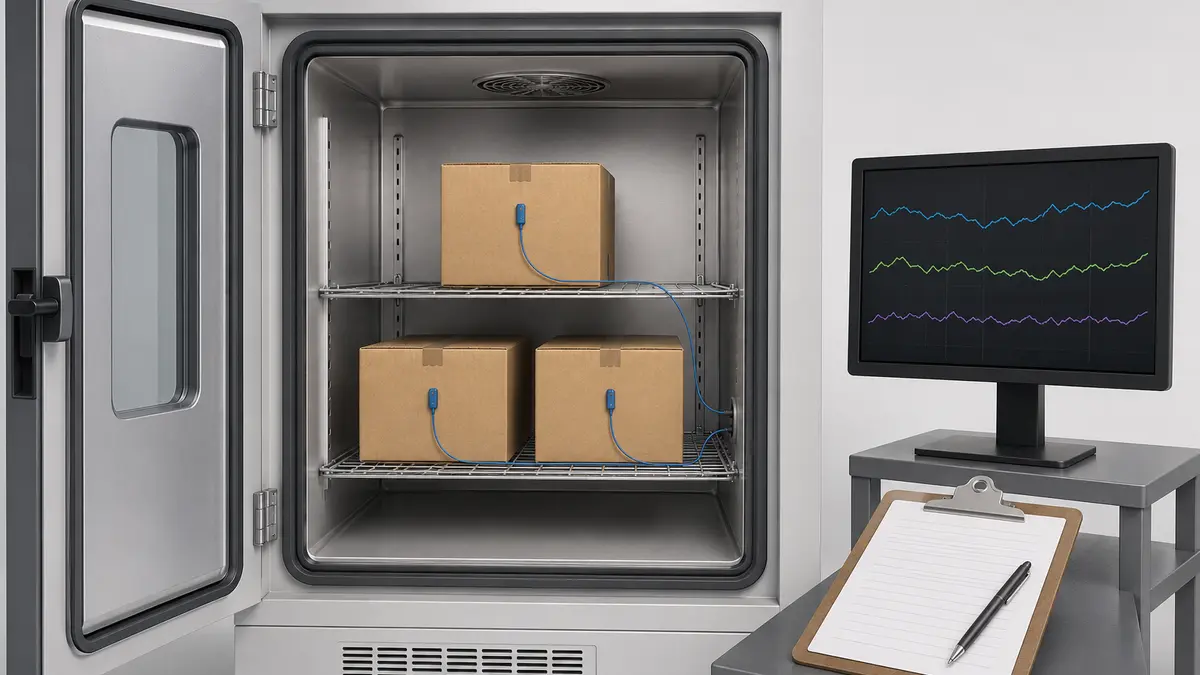
Importante: Un risultato positivo si applica alla configurazione testata e all'intervallo operativo giustificato. Non copre automaticamente ogni carico, stagione, tratta, operatore o componente sostitutivo.
Domande Frequenti
L'Isolamento è la Stessa Cosa di un Gel Pack o del Ghiaccio Secco?
No. L'isolamento rallenta il trasferimento di calore, mentre un gel pack, un materiale a cambiamento di fase o il ghiaccio secco forniscono capacità termica in una condizione selezionata. Devono essere progettati insieme. La quantità di refrigerante, il condizionamento, il posizionamento e le barriere di contatto possono modificare la temperatura del carico anche quando l'isolamento esterno rimane invariato.
Il ghiaccio secco crea anche un problema di sicurezza e conformità perché rilascia anidride carbonica durante la sublimazione. Negli Stati Uniti, le linee guida PHMSA stabiliscono che l'imballaggio deve consentire il rilascio del gas per prevenire pericolosi accumuli di pressione. Le spedizioni aeree richiedono le attuali norme sulle merci pericolose, la marcatura, l'etichettatura e personale addestrato; la IATA consiglia agli spedizionieri di consultare le sue attuali Regolamentazioni sulle Merci Pericolose.
Quale tipo di imballaggio isolante mantiene i prodotti freddi più a lungo?
Non esiste un vincitore universale. La durata dipende dalla costruzione completa della parete, dalle dimensioni e dalla forma, dai giunti, dalla massa del carico, dalle temperature iniziali, dal refrigerante, dal confezionamento, dal profilo ambientale, dalla movimentazione e dall'escursione consentita. Un sistema VIP può offrire prestazioni elevate con spessore di parete limitato, mentre un sistema in schiuma o fibra ben progettato può essere più robusto o più economico per un'altra tratta.
Richiedere ai fornitori risultati relativi a una configurazione conforme al progetto, quindi verificare il progetto scelto utilizzando gli stessi input nel caso peggiore e gli stessi criteri di accettazione. Una scheda tecnica del materiale o una dichiarazione generica di “ore” non sostituisce la qualificazione dell'imballaggio.
I rivestimenti riflettenti possono sostituire gli spedizionieri in schiuma rigida?
A volte, ma l'equivalenza deve essere dimostrata. Un rivestimento flessibile può essere adatto a un ciclo di distribuzione controllato, più breve o sensibile allo spazio, quando chiusura, cuciture, adattamento al cartone, carico e disposizione del refrigerante sono ripetibili. La schiuma rigida può essere preferibile quando l'isolamento deve anche preservare la geometria della cavità o contribuire alla protezione fisica.
Eseguire il confronto con il cartone esterno effettivo e il confezionamento completo. Includere ritardi, esposizione stagionale, compressione, cadute, variabilità degli operatori ed eventuale protezione secondaria. Non approvare la conversione basandosi sull'aspetto riflettente, sullo spessore nominale o su test effettuati da altri clienti.
I rivestimenti isolanti in carta o fibra sono sempre riciclabili?
No. La recuperabilità dipende dal rivestimento completo e dal sistema locale. La fibra può essere combinata con film plastico, adesivo, rivestimento, chimica di resistenza all'umidità, cuciture o contaminazione che modificano il modo in cui un impianto la accetta. Anche le etichette di raccolta variano in base al paese e al comune.
Richiedere una dichiarazione completa dei materiali e le istruzioni di separazione, quindi verificare le attuali norme di raccolta e smistamento del mercato di destinazione. Mantenere la riciclabilità, contenuto riciclato, il contenuto biobased, la biodegradabilità e la compostabilità come dichiarazioni separate; l'una non dimostra l'altra.
Quali informazioni dovrebbe includere un acquirente in una richiesta di preventivo (RFQ) per imballaggi isolanti?
Fornire informazioni sufficienti affinché un fornitore possa proporre un sistema testabile:
- dimensioni del prodotto e del carico, intervallo di massa, orientamento ed esigenze di protezione;
- temperatura target del prodotto, condizioni iniziali, escursioni consentite e punti di monitoraggio;
- durata porta a porta, tratta, profilo ambientale stagionale, ritardi e modalità di trasporto;
- tipo di refrigerante, restrizioni, capacità di condizionamento e limiti di contatto;
- vincoli del cartone, obiettivo di carico utile, spazio in magazzino, processo di assemblaggio e limiti di manodopera;
- modello monouso o riutilizzabile, esigenze di pulizia e ispezione, mercati di destinazione e obiettivi di fine utilizzo;
- disegni richiesti, dichiarazioni dei materiali, protocollo di test, rapporto, controllo delle modifiche e quantità di campioni.
Se questi input sono sconosciuti, iniziare con la profilazione della tratta e del carico piuttosto che richiedere un tempo di mantenimento garantito da un materiale generico.
Risorse Correlate di Bestypack
- La Guida Definitiva: Tutti i Tipi di Imballaggio in Schiuma
- Soluzioni di Imballaggio per la Catena del Freddo Alimentare
- Flexible Food Packaging A Guide to What You
- Film in CPP: Soluzioni Ottimali per Imballaggi Flessibili
- Guida alla pellicola termosaldata: Applicazioni, Tipi, Funzioni
- La Differenza Tra Poliolefina, PVC e Polietilene
- Guida completa al film BOPE: vantaggi, applicazioni, tipi
 English
 Japanese
 French
 Spanish
 Korean
 Italian
 Portuguese
 Dutch
Dutch Arabic
 Russian
 German