
一般的な断熱包装には以下のものがある 硬質フォーム輸送容器、柔軟な反射性または発泡性ライナー、繊維ベースのライナー、および真空断熱パネルなどの高性能パネルが含まれる。各ファミリーは熱伝達の遅延方法が異なるが、いずれも単独で輸送性能を決定するものではない。購入者は、断熱材を外装箱、積載物、冷媒、梱包方法、予備調整、輸送経路、受入許容基準と併せて評価しなければならない。本ガイドは主要なファミリーを比較し、実用的なトレードオフを特定し、材料の候補リストを受入可能なパッシブ輸送システムへと転換する方法を示す。.
断熱包装とは何か?
ポリマーの背景については、 NIH PubChem ポリプロピレンの概要 を参照してから、完成フィルムの性能主張を比較すること。.
断熱包装は、 パッシブ輸送システムの一部であり、積載物とその周囲環境との間の熱流を抑制する。クーラーボックスとして成形されたり、切断パネルとして供給されたり、ライナーに折り畳まれたり、繊維質または真空パネルから組み立てられたりする。その役割は、ゲルパック、相変化材パック、またはドライアイスのそれとは異なる。これらの冷媒は熱を吸収または放出するが、断熱材は外部条件が積載物に影響を及ぼす速度を遅らせる。.
熱は以下の経路から侵入し得る 壁、角部、継ぎ目、閉鎖部、および積載物周囲の隙間。材料を通じた伝導、漏れによる空気の移動、空間を横断する放射がすべて重要となる場合がある。したがって、反射面、厚い壁、または高級材料の名称だけでは、完全な設計結論とはならない。.
| ファミリー | 一般的な形態 | 候補に挙げる理由 | 主な注意点 |
|---|---|---|---|
| 硬質または半硬質フォーム | 成形輸送容器またはパネル セット | 安定した形状と確立された 梱包形式 | 保管容積、継ぎ目、破損, 、および廃棄経路 |
| 柔軟な反射性または発泡性 ライナー | 折り畳み式ライナー、パウチ、または パネル対 | 折り畳み可能な保管と適応可能な カートン適合性 | 閉鎖部、圧縮、縫い目、および 実際の空隙形状 |
| 繊維ベース断熱材 | 紙、セルロース、綿、デニム, 、またはウールマット | 折り畳み可能な構造と可能な 繊維回収経路 | 湿気、封入表面材、剥離, 、および地域の回収体制 |
| 先進パネル | 真空断熱またはその他の 高性能パネルセット | 制約された外寸内での より大きな積載スペース | 穿刺、エッジ損失、経年劣化、保護、およびコスト |
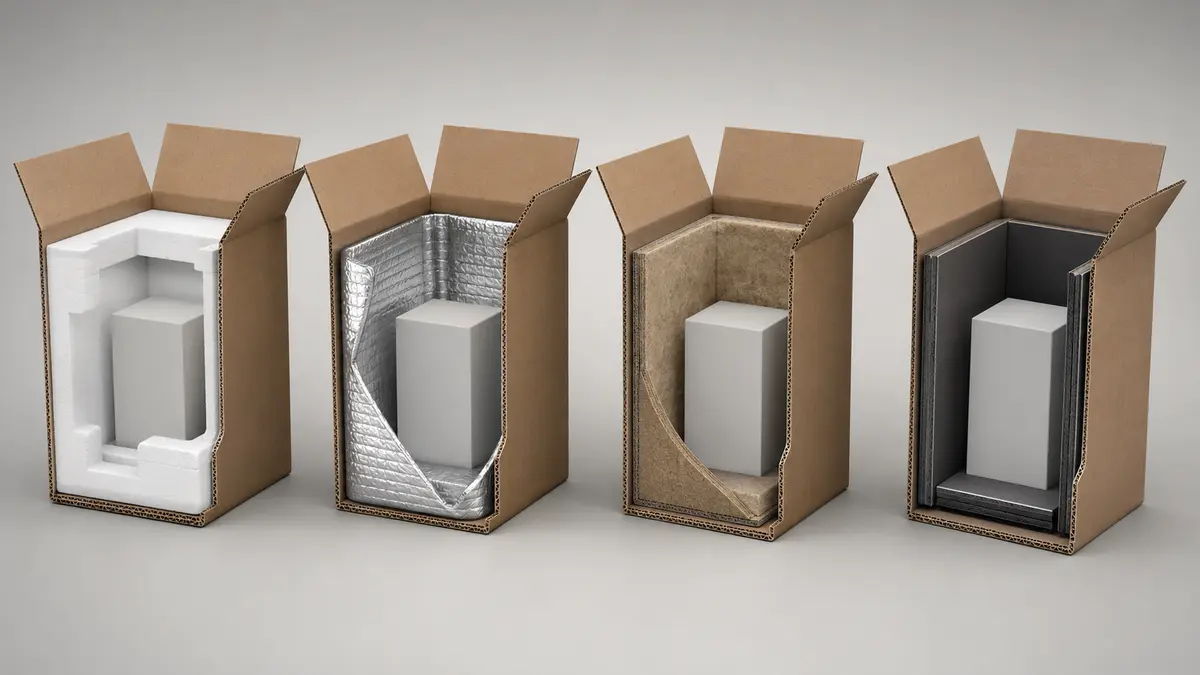
この表は方向性を示すマップであり、性能ランキングではありません。完成した構造とテスト済みの梱包方法が、いずれかのファミリーが適切かどうかを決定します。.
硬質フォーム断熱輸送容器およびライナー
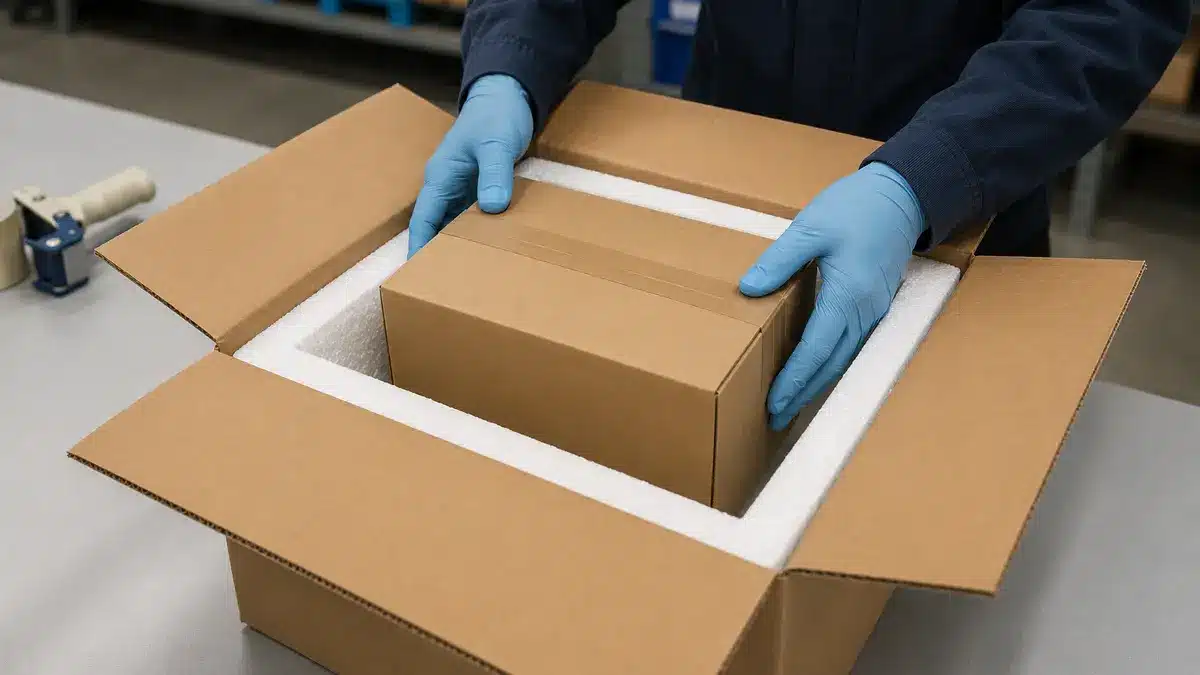
硬質フォームは、断熱性と明確な空洞およびある程度の物理的保護を兼ね備えているため広く使用されている。一体成形容器、二分割クーラー、または段ボール内に配置される六面パネルライナーとして存在し得る。形状は重要である ベースポリマーは最初のスクリーニング要素であり、最終的な答えではありません。完全なフィルムには、あらゆる層、着色剤、粘着システム、ラベル、テープ、印刷、および使用中に付着した材料も含まれます。各特徴は、選別、洗浄、再処理、またはリサイクル樹脂の品質に影響を与える可能性があります。:パネルの適合性、蓋の重なり、角部の継ぎ目、壁の連続性は、公称フォームファミリーが同一であっても、完全なパッケージを変化させ得る。.
発泡ポリスチレンおよび押出ポリスチレン
発泡ポリスチレン(EPS)は、一般的にクーラーボックスに成型されるか、ライナーパネルに切断されます。その低質量と形状安定性により、再現性のある梱包方法が実用的であり、カスタム成型によりコーナーやフィットする蓋を統合できます。トレードオフは、保管時の嵩張り、破損や欠けのしやすさ、および場所や回収プログラムによって異なる使用済み後のオプションです。.
押出ポリスチレン(XPS)は、通常、より連続的なボードストックとして供給され、パネルに加工できます。両方ともポリスチレンであるという理由だけで、EPSと互換性があると扱うべきではありません。セル構造、密度、厚さ、被覆材、継ぎ目、および製造方法が異なります。購入者は、ポリマー名に依存するのではなく、図面、材料仕様、寸法公差、およびシステム試験結果を比較する必要があります。.
ポリウレタン、ポリエチレン、および発泡ポリプロピレンフォーム
ポリウレタン(PUR)フォームは、成形、現場発泡、または柔軟性もしくは半硬質ライナーパネルとして使用できる。壁効率やコンパクトな保管形態が重要な場合に検討されることが多いが、構造詳細と取り扱い管理を検証する必要がある。ポリエチレン(PE)フォームは弾力性があり、積層または柔軟パネルへの加工が可能である。発泡ポリプロピレン ポリプロピレン (EPP)は、多くの脆性フォームよりも繰り返しの取り扱いに耐えるため、耐久性のある再利用可能な容器として検討されることが多い。.
これらの説明はファミリーレベルの傾向であり、保証された特性ではありません。有用な比較には、正確なフォームタイプ、密度またはグレード、壁構造、被覆材、継ぎ目設計、寸法公差、再利用可能なシステムの洗浄制限、および最終梱包方法の試験エビデンスが必要です。.
柔軟な反射材およびフォームライナー
柔軟なライナーは、成型された空洞を折り畳み可能なシート、パウチ、または連動パネルに置き換えます。その主な運用上の利点は、通常、保管とカートンの柔軟性です。しかし、その熱挙動は、光沢のある外面の内側にあるもの、ライナーの閉じ方、圧縮されているかどうか、および縫い目や折り目が熱経路を容易にするかどうかに依存します。.
反射バブルおよびセルラーフォームライナー
反射バブルライナーは、低放射率の外観を持つ被覆材と、1つ以上のセルラー層またはバブル層を組み合わせたものです。他のライナーは、フィルム被覆材の間に柔軟なPEまたはPURフォームを配置します。反射被覆材は、適切な構成において放射交換を低減できますが、外観だけでは総熱伝達抵抗を確立しません。他の表面との接触、意図された空気層の喪失、穿刺、しわ、および縫い目の形状が性能を変化させる可能性があります。.
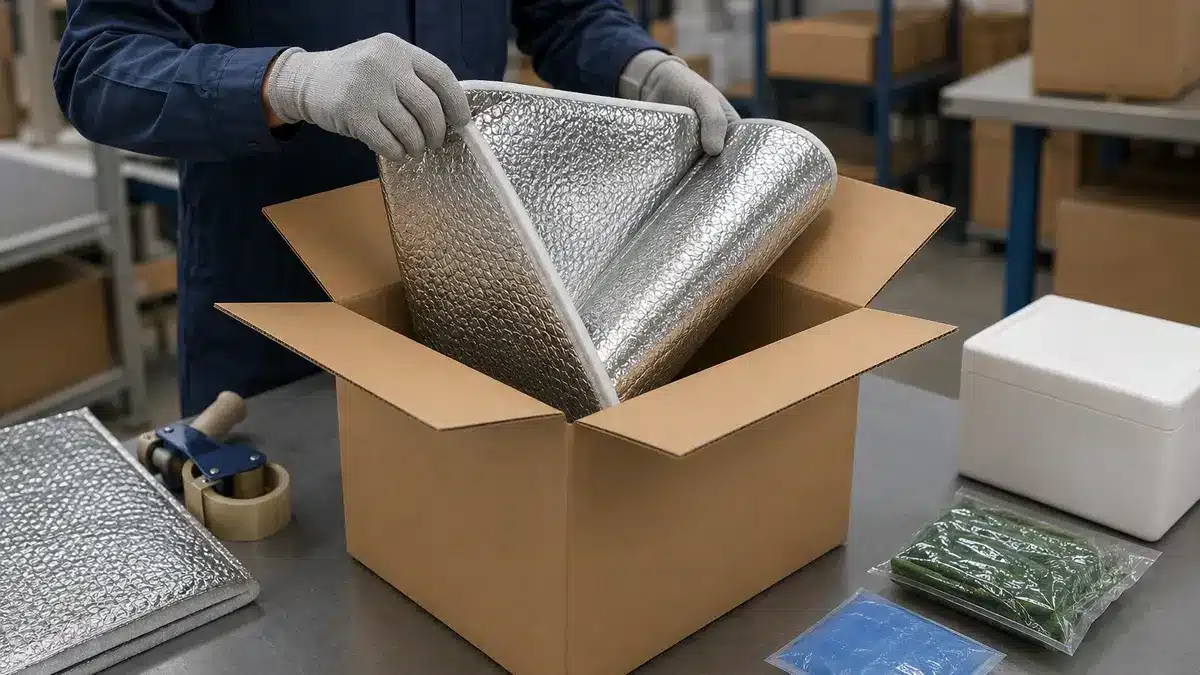
調達の際には、「フォイルバブル」や「フォームライナー」のみを要求するのではなく、完全な構造を指定してください。サプライヤーは、コア材料、層の数と配置、被覆材と縫い目の構造、完成厚さ、閉鎖方法、意図されたカートン適合性、および試験に使用されたコンディショニングまたは組立指示を特定する必要があります。.
柔軟なライナーが適する場面と適さない場面
| プロジェクト条件 | 柔軟なライナーが適する場合 | より強力なエビデンスまたは別のファミリーが必要となる場合 |
|---|---|---|
| 短期または中程度の流通サイクル | 周囲温度プロファイルと梱包方法が余裕を持ってテストされている | 遅延、滞留時間、または季節的な極端な気温が経路を支配する |
| 可変カートンサイズ | ライナーを制御されていない隙間や圧縮なしに適合させることができる | 作業者が折り目を即興で作らなければならない、または閉鎖を再現できない |
| 倉庫スペースが制約されている | 平らまたは圧縮された保管により入荷容積が削減される | 圧縮によりライナーが変化し、回復が制御されない |
| ペイロードが損傷しやすい | 二次保護が衝撃と冷媒接触を管理する | 断熱材が剛性の保護空洞も提供しなければならない |
柔軟なライナーは効果的であり得ますが、成型フォームの自動的な代替品ではありません。切り替えは、実際のペイロード、カートン、冷媒配置、閉鎖、作業者、および予想される流通上の危険性を用いてテストされるべきです。.
繊維、紙、およびウールベースの断熱材
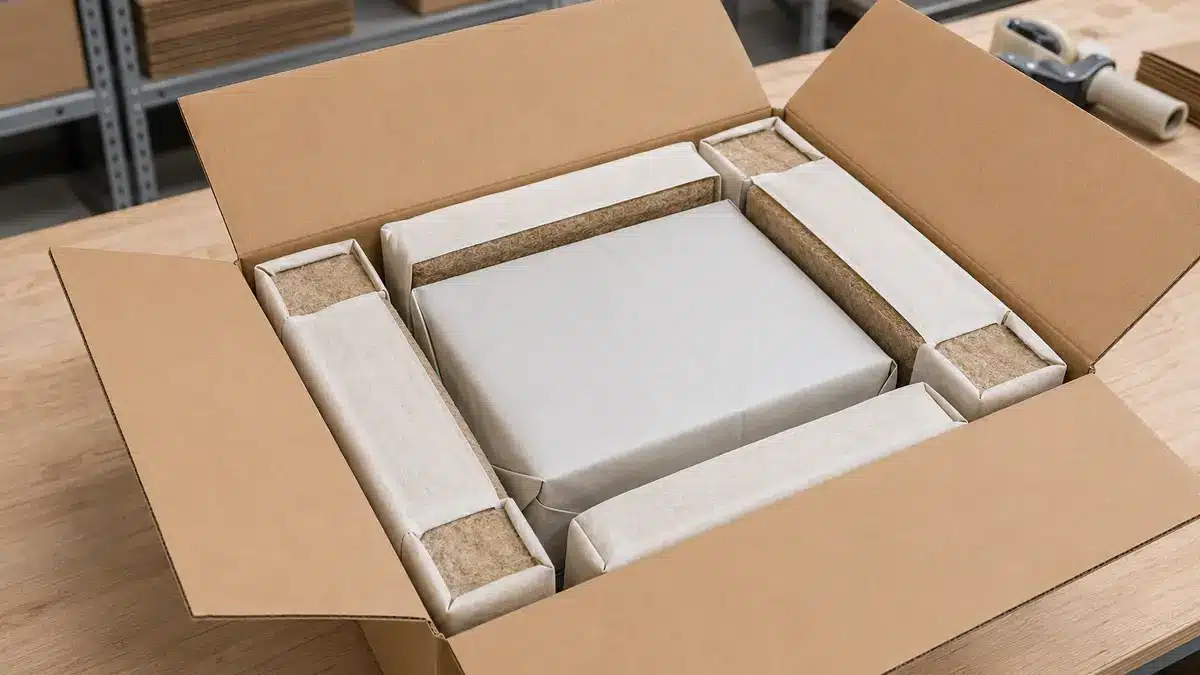
繊維質ライナーは、主に低密度のウェブまたは層状構造内に空気を保持することにより熱流を遅らせます。これらは、パッド、折り畳み式ライナー、パウチ、またはパネルセットとして供給できます。その実用的価値には、折り畳み可能な保管と繊維ベースの材料ストーリーが含まれる場合がありますが、熱挙動、清潔さ、湿気応答、および使用済み後の処理を決定するのは、繊維名ではなく、アセンブリ全体です。.
セルロースおよび紙繊維ライナー
紙およびセルロースライナーは、段ボール層、折り畳まれた紙構造、ルースまたは接着された繊維、または紙またはフィルムシェルで包まれた成型パッドを使用する場合があります。内部構造は、梱包および輸送中に厚さを維持する必要があります。潰れや濡れは、断熱を支える空気層を変化させる可能性があります。設計者はまた、ルースファイバー、エッジ、縫い目、および結露や漏れの近くで使用されるバリア層を制御する必要があります。.
「紙リサイクル可能」などの主張は、完全な構造レビューを必要とします。プラスチックフィルム、接着剤、コーティング、湿潤強度処理、冷媒漏れ、および食品汚染は、受け入れに影響を与える可能性があります。正しい質問は、完成したライナーが受取人が利用できる回収および選別システムによって受け入れられるかどうかです。.
綿、デニム、ウールのライナー
綿、再生デニム、ウールは、ペイロードを包み込む、またはカートンを内張りする柔軟なマットに成形できる。不規則な形状に対応でき、有用な緩衝材となり得るが、厚みの均一性、繊維の封じ込め、臭気、ほこり、吸湿性、害虫または衛生管理が、対象分野によっては重要となる場合がある。清潔性や耐湿性を向上させる表面材は、リサイクル経路も変えることになる。.
購入者は、繊維組成、バインダーおよび表面材の材料、仕上がり密度と厚み公差、防湿方法、発塵管理、保管条件、および市場別の廃棄指示を確認すべきである。熱的性能の認定は、依然として組み立て済みのパッケージ全体を用いて行わなければならない。天然原料または再生原料を使用していることは、特定の温度持続時間、炭素排出結果、リサイクル可能性、または堆肥化可能性の証拠にはならない。.
真空断熱パネルおよびその他の高度な断熱材
従来の壁構造では実現できない、固定された外箱内でのより大きなペイロード容積、より低い冷媒需要、またはより長い温度曝露管理が必要な場合に、高度なパネルが検討される。真空断熱パネル(VIP)は、コールドチェーン小包システムにおける最も一般的な例である。その他の高度な製品には、エアロゲル含有ブランケットや独自の複合パネルが含まれる場合があるが、その性能はカテゴリー名から推定することはできない。.
真空断熱パネルの仕組み—そして損傷が重要な理由
VIPは通常、空気が除去されたガスバリア性の外皮の中に多孔質のコアを含む。ガス伝導を低減することで、適度な厚みで高い断熱性を持つパネルを製造できる。外皮は装飾ではなく機能的なものである。穿刺、シール不良、または長期的なガス侵入は、性能を低下させる可能性がある。.
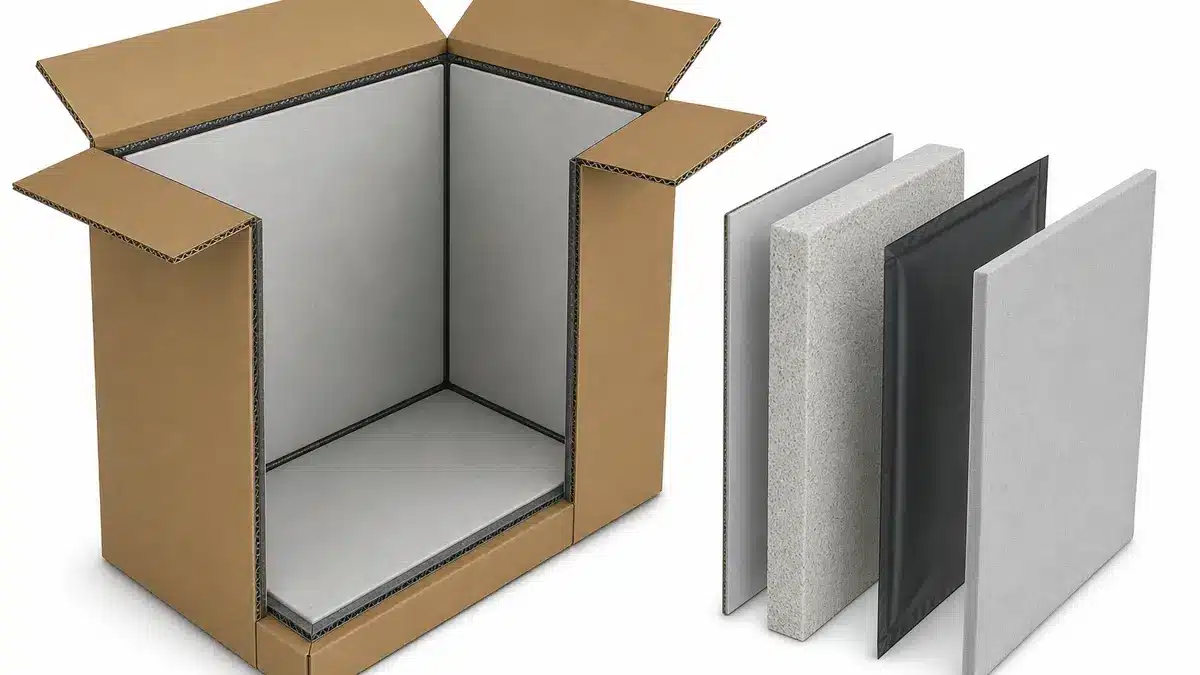
パネルシステムにも継ぎ目と端部がある。パネル中央部の値は、隙間、角部の詳細、保護スキン、および閉鎖部を備えた完全な六面ボックスを説明するものではない。したがって、VIPは保護的な取り扱い、明確な組立手順、検査基準、および サプライヤーデータ 経年劣化と端部効果に対処する管理を必要とする。特定の製品がそのように設計されていない限り、切断、貫通、鋭角な折り曲げ、または即席の形状での使用は避けるべきである。.
商業的なトレードオフは、パネル価格だけにとどまらない。有効ペイロード容積、保護部品、組み立て時間、損傷リスク、交換方針、返品物流、および認定と変更管理のコストを含めて検討する必要がある。.
断熱包装タイプの比較方法
材料ではなく輸送から始める。供給者は、目標温度と輸送時間のみから防御可能なシステムを推奨することはできない。要件書には、製品、最小および最大積載量、内部形状、冷媒戦略、予備調整、輸送経路、周囲環境曝露、取り扱い、モニタリング、および acceptance criteria.
熱的性能および梱包要件
すべての候補に対して同じ質問を使用する:
- 維持しなければならない製品温度範囲は何か、また適用される逸脱の定義は何か。
- 段取り、通関、週末、回復時間を含む、現実的なドアツードアの所要時間はどのくらいか。
- 経路を代表する季節別の周囲温度プロファイルまたはレーン別データはどれか。
- 梱包がカバーしなければならないペイロードの質量、形状、および初期温度は何か。
- どの冷媒が許可されているか、どこに配置されるか、直接接触はどのように制御されるか。
- コンポーネントはどのように予備調整、組み立て、閉鎖、および検査されるか。
公称材料データはスクリーニングを支援できるが、パッケージには熱橋、内部空気移動、ペイロードとの相互作用、および作業者のばらつきがある。ある候補がより薄い壁を使用する場合、断熱材の厚みだけでなく、結果として得られるペイロード容量と冷媒レイアウトを比較すること。.
物流、再利用、および使用終了時の要因
| 判断基準 | 最終候補リストに対する質問 | ポリマーファミリーラベル |
|---|---|---|
| 運用 | 梱包は現在のカートン、ベンチ、冷蔵室、およびトレーニングに適合するか。 | 作業指示書、組み立て試験、時間測定、およびエラー管理 |
| どのような荷重、落下、振動、圧縮、摩耗、または鋭利なエッジのリスクが発生するか? | システムは圧縮、振動、落下、湿気、および遅延に耐えられるか。 | 適用可能な流通試験および熱試験プロトコルとその結果 |
| 再利用 | コンポーネントは一貫して検査、洗浄、追跡、および廃棄できるか。 | 再利用限度の根拠、検査基準、洗浄方法、および履歴管理 |
| コスト | 保管と返品を含む、成功した輸送あたりの総コストはいくらか。 | 部品表、輸送容積、人件費、損失想定、および逆物流モデル |
| 使用終了時 | 受取人はすべてのコンポーネントを現地で分別し、適切な経路に送ることができるか。 | 完全な材料宣言および市場別の廃棄指示 |
| 変更管理 | どの変更が再評価または再認定を必要とするか。 | 承認済み仕様書、図面、サプライヤー管理、および変更通知プロセス |
このマトリクスは最終候補リストを作成するものであり、設計を認定するものではない。2つのシステムが類似しているように見える場合は、同じペイロード、予備調整、周囲温度プロファイル、期間、センサー計画、および受入基準の下で比較すること。.
完全な包装システムの認定方法
受入基準を記載すべきである。適格性評価は、定義されたシステムが定義された条件下で性能を発揮することを実証すべきである。時間および温度に敏感な医薬品については、輸送容器の適格性評価に関するWHOガイダンスが、設計適格性評価、運転適格性評価、性能適格性評価の概念を区別している。他のセクターは自らの規制および品質システムを適用すべきであるが、要件、挑戦条件、およびエビデンスを文書化する規律は依然として有用である。.
- ユーザー要件を定義する。. 製品範囲、ペイロード構成、許容温度範囲、逸脱ルール、経路所要時間、周囲温度の挑戦条件、取り扱い、モニタリング、および適用される規制を記録する。.
- 候補設計を確定する。. すべてのコンポーネント、寸法、材料、冷媒の量と位置、予備調整ステップ、閉鎖、センサー位置、および作業者の操作を特定する。.
- 試験前にプロトコルを作成する。. 試験プロファイル、サンプルサイズ、ワーストケースの根拠、予備調整、受入基準、計測機器、校正状況、流通上の危険性、逸脱、および承認権限を明記する。.
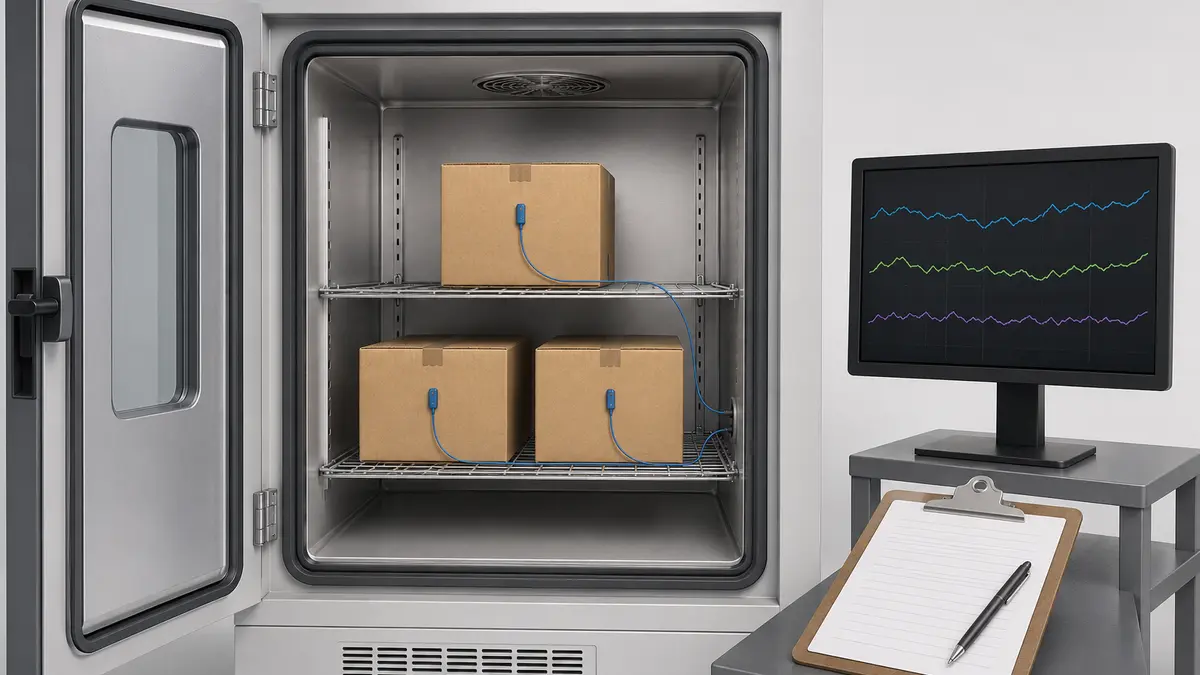
- 熱的および物理的挑戦試験を実施する。. 正当化された周囲温度プロファイルと代表的な積載物を使用する。ISTA規格7Eは、宅配便の熱プロファイルに関する公式な参照規格の一つである。その適用性と採用版はプロジェクトごとに確認しなければならない。.
- 平均温度だけでなく、詳細を確認する。. すべてのセンサー、位置、時点、逸脱、物理的故障、組み立て逸脱、およびデータギャップを検討する。試験後に結論を調整するのではなく、故障を調査すること。.
- 展開と変更を管理する。. 明確な梱包指示を発行し、作業者を訓練し、モニタリングと逸脱処理を定義し、材料、サプライヤー、寸法、ペイロード、冷媒、経路、またはプロセスの変更を再評価すること。.
重要: 合格結果は、試験された構成と正当化された運用範囲に適用される。すべてのペイロード、季節、レーン、作業者、または代替コンポーネントを自動的にカバーするものではない。.
よくある質問
断熱材はゲルパックやドライアイスと同じか。
いいえ。断熱材は熱伝達を遅くするが、ゲルパック、相変化材料、またはドライアイスは選択された条件下で熱容量を提供する。これらは一緒に設計されなければならない。冷媒の量、予備調整、配置、および接触バリアは、外側の断熱材が変わらなくてもペイロード温度を変える可能性がある。.
ドライアイスはまた、昇華する際に二酸化炭素ガスを放出するため、安全およびコンプライアンス上の問題を生じる。米国では、PHMSAガイダンスにより、危険な圧力上昇を防ぐためにガス放出を可能にする包装が必須とされている。航空輸送には、現在適用される危険物規則、表示、ラベル表示、および訓練を受けた要員が必要である。IATAは、荷送人に対し、現在の危険物規則を参照するよう助言している。.
どのタイプの断熱包装が製品を最も長く低温に保つことができますか?
万能な勝者はいません。持続時間は、壁面全体の構造、サイズと形状、接合部、ペイロード質量、開始温度、冷媒、梱包構成、周囲温度プロファイル、取り扱い、許容変動幅に依存します。VIPシステムは限られた壁厚で高い性能を発揮する場合がありますが、適切に設計されたフォームまたはファイバーシステムは、別の輸送経路においてより堅牢または経済的である場合があります。.
プロジェクトに適合する構成での試験結果をサプライヤーに要求し、選択した設計を同じ最悪ケースの入力条件と受入基準を用いて検証してください。材料データシートや無関係な「時間数」の主張は、パッケージの認定の代わりにはなりません。.
反射ライナーは硬質フォーム輸送容器の代替になりますか?
場合によっては可能ですが、同等性を実証する必要があります。フレキシブルライナーは、閉鎖方法、縫い目、カートン適合性、ペイロード、冷媒配置が再現可能である場合、管理された、短時間の、またはスペースに制約のある流通サイクルに適している場合があります。断熱材が空洞形状を維持する必要がある場合や物理的保護に寄与する必要がある場合は、硬質フォームが望ましい場合があります。.
実際の外装箱と梱包構成で比較試験を実施してください。遅延、季節的な温度曝露、圧縮、落下、作業者のばらつき、および二次保護を含めてください。反射外観、公称厚さ、または別の顧客の試験結果に基づいて変換を承認しないでください。.
紙またはファイバー製断熱ライナーは常にリサイクル可能ですか?
いいえ。回収可能性は、ライナー全体と地域のシステムに依存します。ファイバーは、プラスチックフィルム、接着剤、コーティング、湿潤強度薬品、縫製、または汚染物質と組み合わされている場合があり、これらは施設での受入方法を変える可能性があります。回収ラベルも国や自治体によって異なります。.
完全な材料宣言書と分離指示書を要求し、その後、仕向地市場の現在の回収および選別規則を確認する。リサイクル可能性、, リサイクル含有量, 生分解性、バイオベース含有率、堆肥化可能性は別個の主張として扱うべきであり、いずれか一つが他を証明するものではない。.
購入者は断熱包装のRFQにどのような情報を含めるべきですか?
サプライヤーが試験可能なシステムを提案できるよう、十分な情報を提供してください:
- 製品およびペイロードの寸法、質量範囲、向き、保護要件;;
- 対象製品温度、開始条件、許容変動幅、モニタリングポイント;;
- ドアツードアの所要時間、輸送経路、季節的な周囲温度プロファイル、遅延、輸送手段;;
- 冷媒の種類、制限、コンディショニング能力、接触制限;;
- カートンの制約、有効ペイロード目標、倉庫スペース、組立工程、労働力の制限;;
- 単回使用または再利用可能なモデル、洗浄および検査の必要性、仕向け市場、使用終了時の目標;;
- 必要な図面、材料宣言、試験プロトコル、報告書、変更管理、サンプル数量。.
これらの入力条件が不明な場合は、汎用材料に保証保持時間を要求するのではなく、輸送経路とペイロードのプロファイリングから開始してください。.
 English
 Japanese
 French
 Spanish
 Korean
 Italian
 Portuguese
 Dutch
Dutch Arabic
 Russian
 German