
Cast polypropylene (CPP) film is widely used in flexible food packaging because it can combine dependable heat sealing, moisture resistance, transparency, flexibility, and useful handling toughness. Those advantages make CPP especially valuable as a sealant web in laminates and as a standalone film in selected applications. Yet “CPP” is a material and process family, not a complete performance specification. The grade, thickness, additives, surface treatment, layer structure, food, filling process, and sealing conditions determine whether a particular film will deliver the intended result.
What CPP Film Is and Why Its Structure Matters
For regulatory context, consult the U.S. FDA’s food-packaging guidance before approving an intended food-contact use.
For regulatory context, consult the U.S. FDA’s food-packaging guidance before approving an intended food-contact use.
CPP is polypropylene film made through cast extrusion. Molten polymer is formed through a flat die and cooled on a chill roll. Unlike biaxially oriented polypropylene (BOPP), CPP is not stretched substantially in both machine and transverse directions. That difference usually gives CPP a softer, more extensible feel and makes it well suited to heat-seal duties.
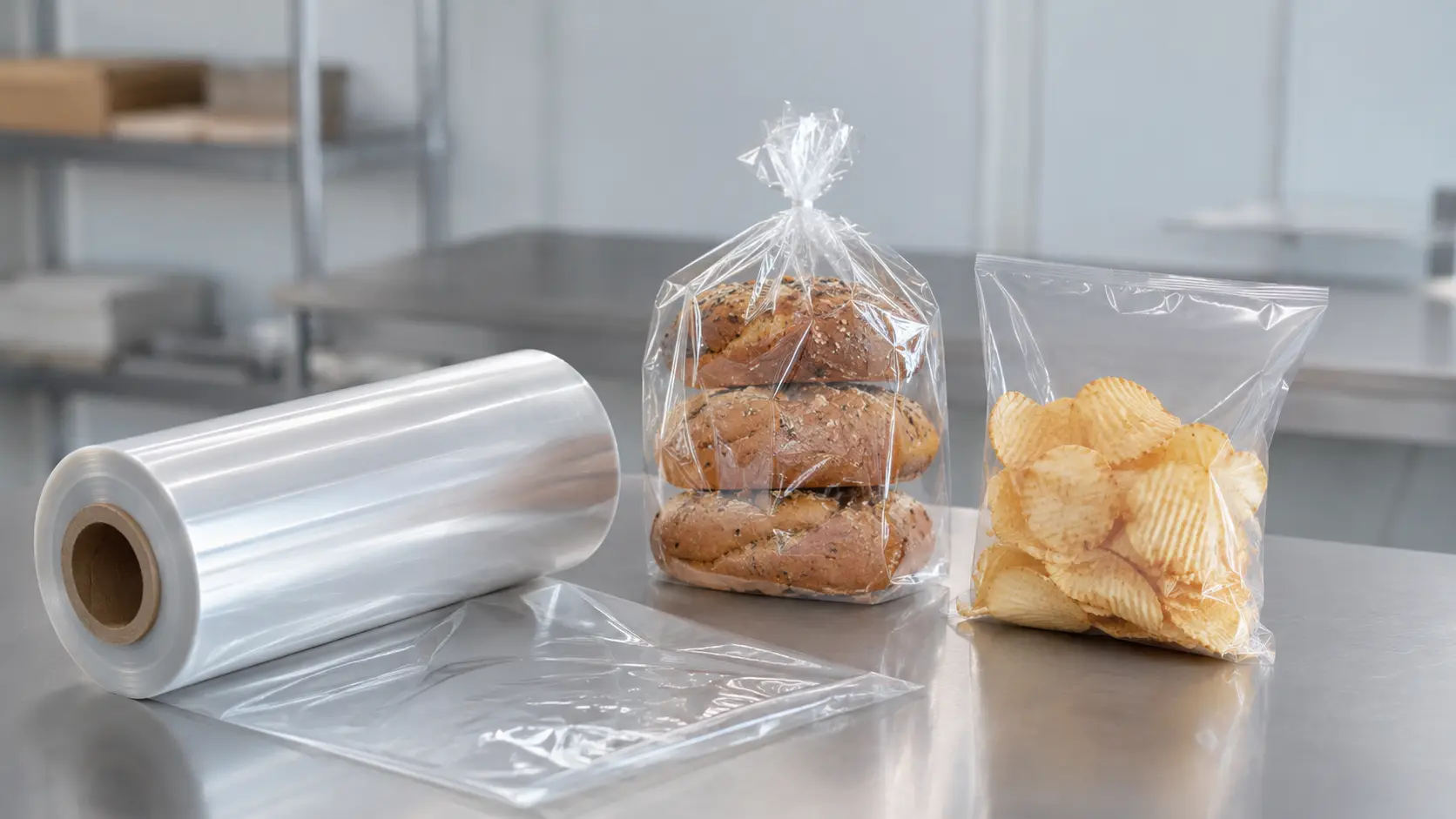
In food packaging CPP can be a standalone web for wraps or bags but it is frequently the inner product-facing sealant layer of a laminate An outer web may supply stiffness printing abrasion resistance or extra barrier while CPP supplies the surface that closes the pack This division of labor.
Advantage 1: Heat Sealability and Seal Reliability
The Packaging Value
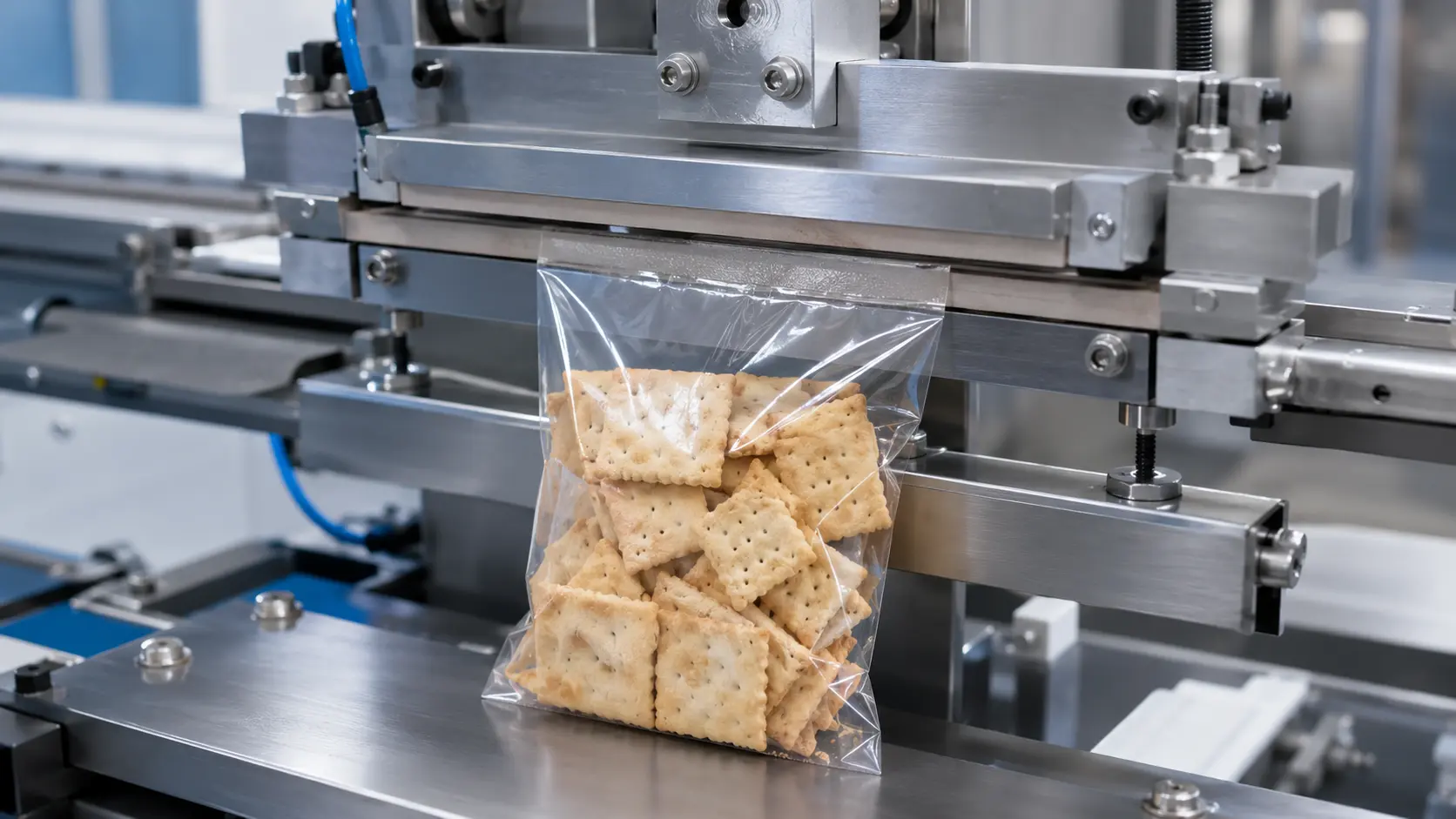
Heat sealability is often CPP’s most important practical advantage. A suitable CPP seal layer can soften and bond under controlled heat, pressure, and dwell time, allowing flow wraps, pouches, and lidding structures to close without adding a separate heat-seal coating to that surface. For a packaging line, a usable sealing window can support repeatable closure as speed, jaw temperature, and product conditions vary within validated limits.
A good seal does more than keep a bag closed It helps contain crumbs powders oils sauces or headspace it protects the product from the external environment and it supports package handling after filling ASTM explains that seal strength is relevant both to package integrity and to the packaging process’s ability to produce consistent seals Its ASTM F88 F88M-23 method provides a framework for measuring.
The Conditions That Control Seal Performance
“Heat-sealable CPP” is not a finished specification. Seal behavior depends on:
- the polymer and seal-layer formulation;
- total film and seal-layer thickness;
- the material on the opposing seal surface;
- jaw temperature, actual interface temperature, pressure, and dwell time;
- contamination, wrinkles, folds, and product in the seal area;
- line speed, cooling, and the time between sealing and loading; and
- the test method, specimen width, peel geometry, and conditioning.
For this reason, buyers should ask for a seal curve or application-relevant seal data rather than a single “seal temperature.” They should then confirm the result on the intended equipment with the actual package structure and food process.
Important: A laboratory seal on clean, flat specimens does not automatically prove leak resistance, hot tack, opening behavior, or package integrity on a production line.
Advantage 2: Moisture Resistance Without Excess Stiffness
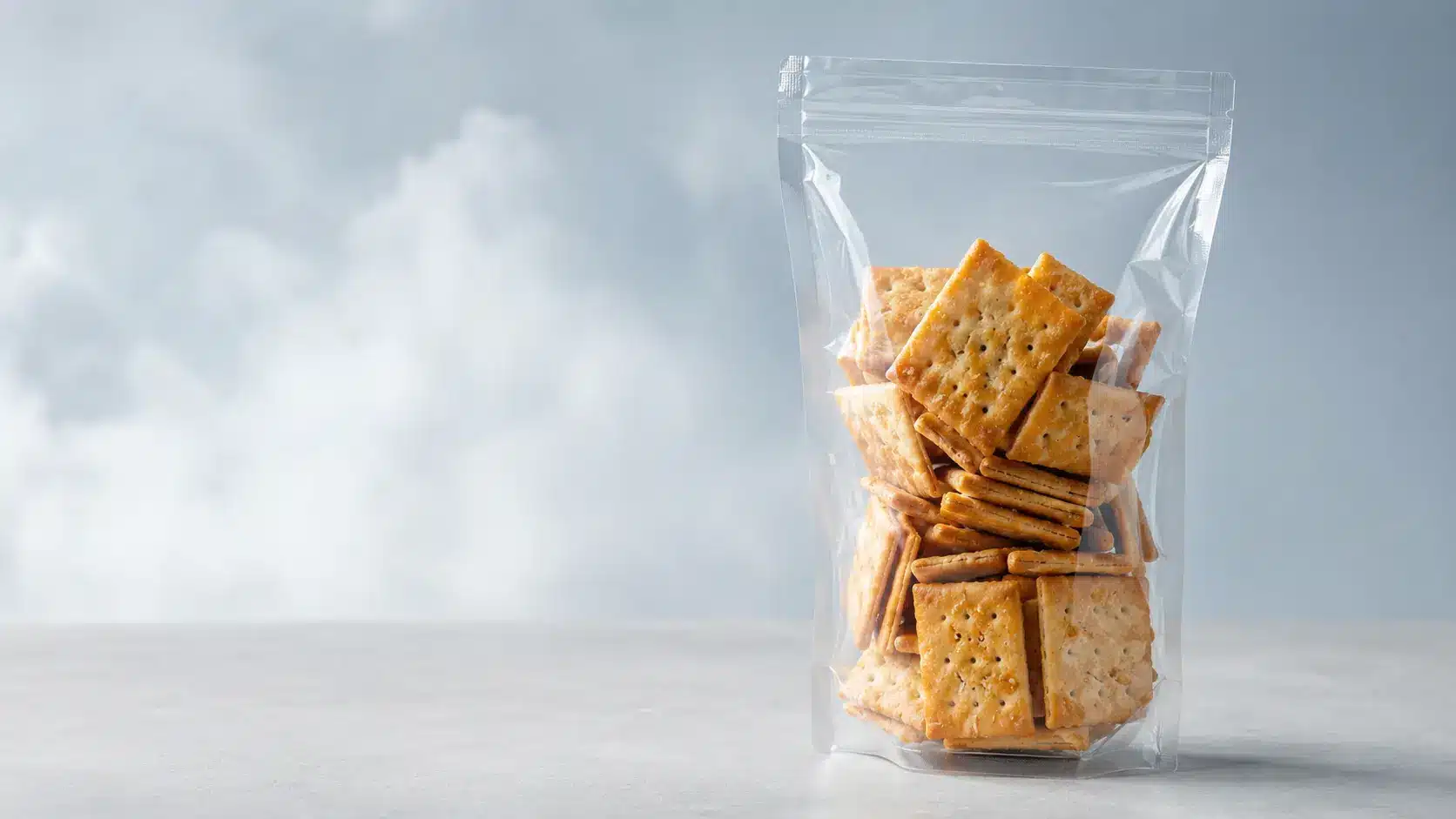
Polypropylene is hydrophobic, so CPP can provide useful resistance to water-vapor transmission while remaining flexible. This combination is valuable for many dry foods, bakery items, confectionery products, and snacks where moisture gain or loss can change crispness, texture, or weight. In a laminate, a CPP layer may contribute moisture resistance while still serving as the sealant.
The advantage should be stated as a measurable requirement, not as a universal shelf-life promise. Water-vapor transmission rate changes with film composition, thickness, temperature, relative humidity, test direction, and the complete structure. A printed or laminated package may perform differently from an unconverted CPP web. The required WVTR should therefore come from the food’s sensitivity and target shelf life, followed by testing under defined conditions.
Moisture Protection Is Not the Same as Oxygen Barrier
Moisture barrier and oxygen barrier are different functions. Unmodified CPP is generally selected more for sealing, flexibility, and moisture resistance than for demanding oxygen protection. Foods sensitive to oxidation, aroma loss, or gas exchange may require a metallized layer, a dedicated barrier coating, aluminum foil, EVOH, or another barrier component.
That added component changes the structure and its trade-offs. Metallization can improve light and gas barrier, for example, but pinholes, flex damage, coating quality, and conversion all affect performance. OTR and WVTR must be reported separately with their respective units, temperature, humidity, thickness, and test orientation. Describing a film simply as “high barrier” hides the information a buyer needs.
Advantage 3: Clarity, Gloss, and Flexible Presentation
Clear CPP grades can provide a smooth, glossy appearance and allow consumers to see the product. That can be useful for bakery goods, confectionery, produce, and other foods where visibility supports product inspection or shelf presentation. CPP’s softer feel can also make a package less rigid than a comparable oriented-film construction.
The presentation advantages can support several design goals:
- a clear window or fully transparent wrap;
- a smooth inner web in a reverse-printed laminate;
- a flexible bag that conforms to irregular food shapes;
- a glossy appearance without hiding the product; and
- a sealant layer that preserves the appearance of an outer printed web.
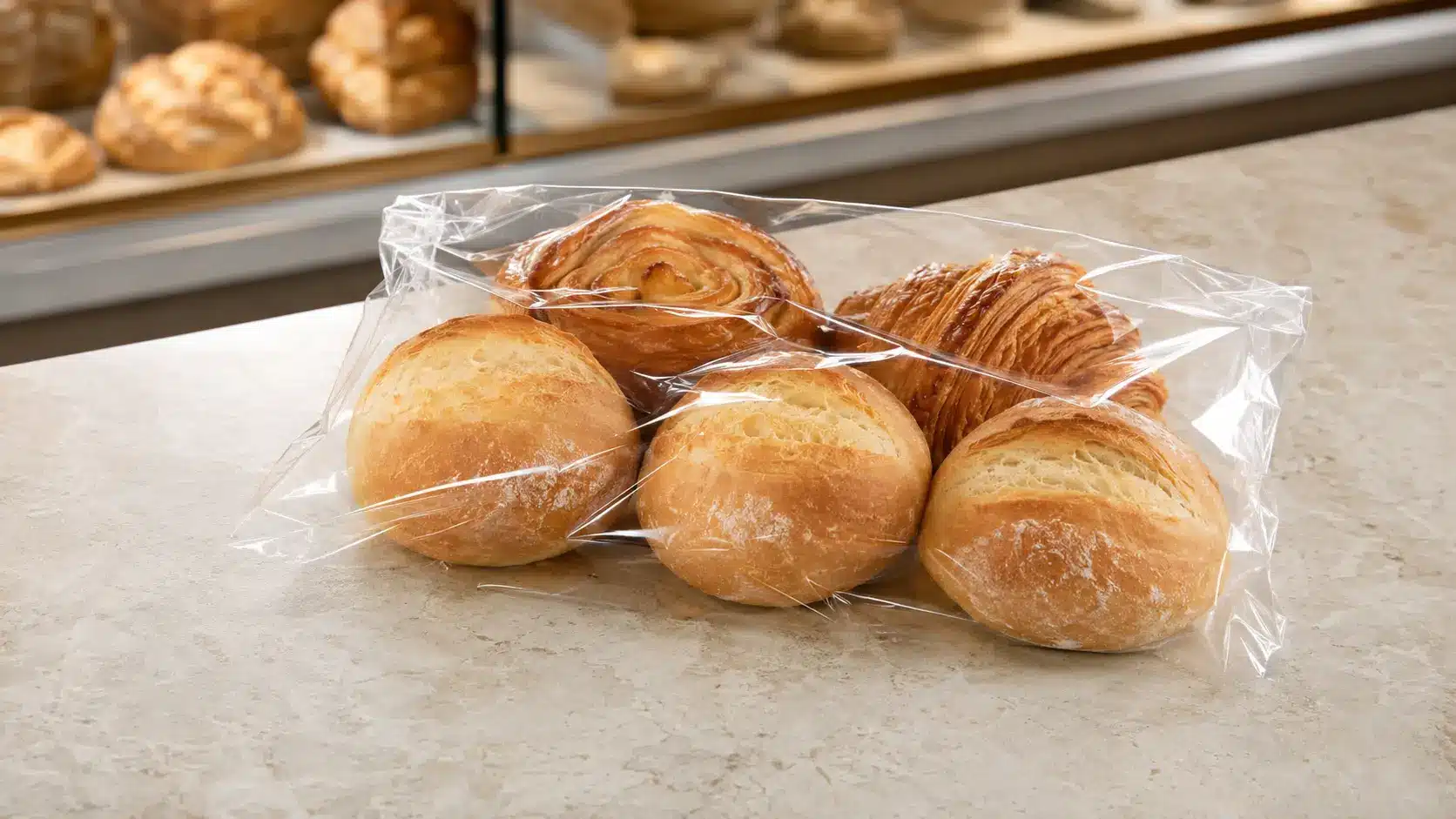
Optical performance still needs a defined target Haze gloss and clarity vary with resin additives cooling thickness surface texture and subsequent conversion Printing or lamination may also require corona or another surface treatment and treatment level can decay over time A supplier should identify which side is treated the target treatment level and the recommended storage and conversion window.
Advantage 4: Toughness for Handling and Converting
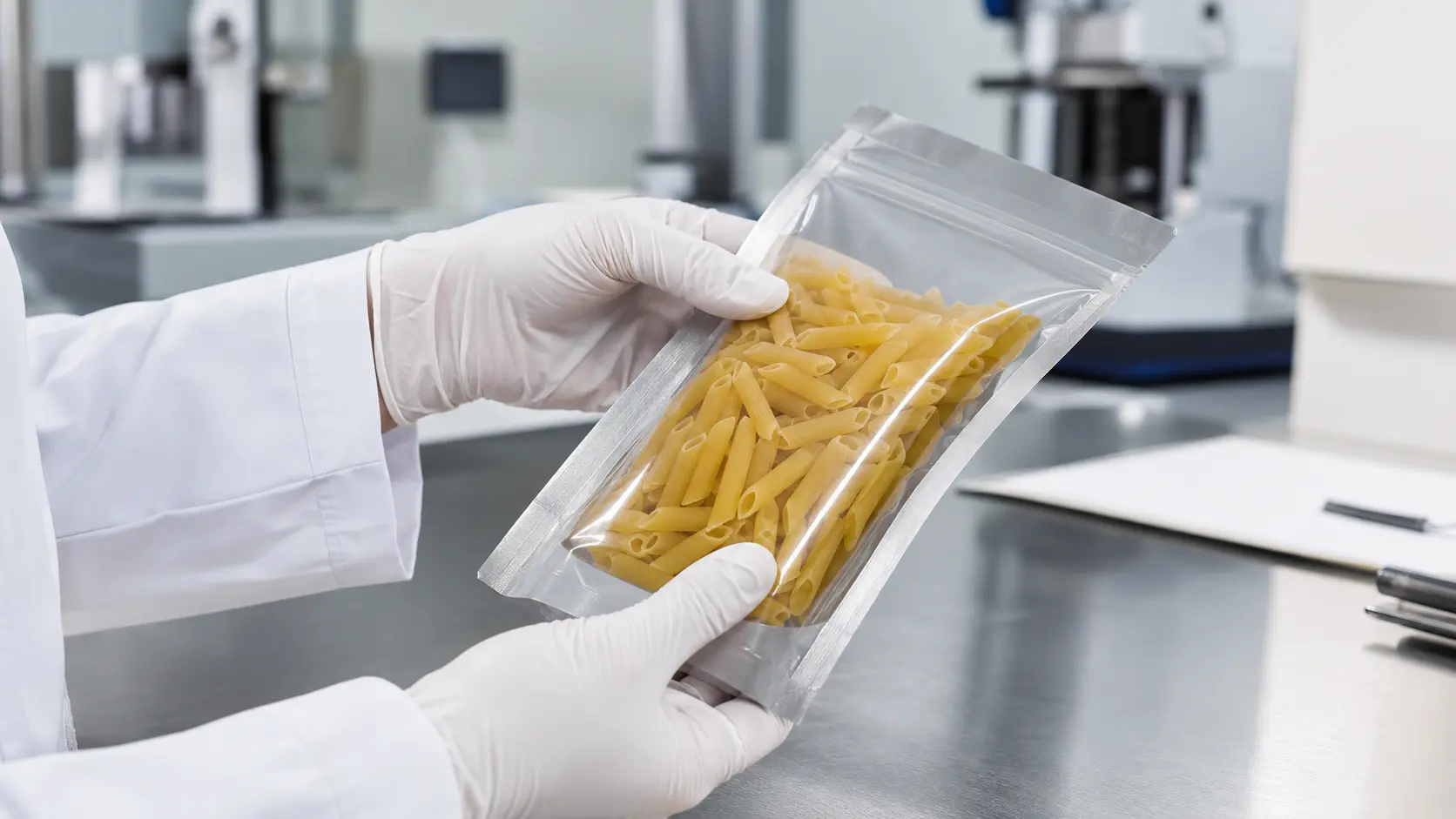
Because CPP is comparatively flexible and not biaxially oriented, it can tolerate deformation and may provide useful impact, puncture, and tear behavior in food bags and laminates. That can help when a package must wrap around irregular products, survive flexing, or pass through converting and filling equipment without becoming excessively brittle.
The practical benefit is package robustness, but the correct measure depends on the failure mode. A bakery overwrap may need tear control and seal integrity, while a pouch containing sharp dehydrated food may need puncture resistance. A frozen-food pack may place more emphasis on low-temperature impact behavior. None of these requirements should be replaced by the broad word “strong.”
Match Mechanical Claims to Test Direction and Method
Film properties can differ between the machine direction (MD) and transverse direction (TD), and different test methods do not produce interchangeable values. A responsible comparison should identify:
- the exact film or laminate and thickness;
- specimen orientation and conditioning;
- the relevant tensile, tear, impact, or puncture method;
- whether testing covers the web, seal, finished bag, or complete filled package; and
- the failure mode, not only the peak number.
Mechanical data from a neat CPP film cannot automatically be transferred to a printed laminate or a finished pouch. Adhesive cure, scoring, sealing, notches, gussets, and package geometry can move the failure point.
Advantage 5: Versatility Across Food-Packaging Formats
Standalone Webs and Sealant Layers
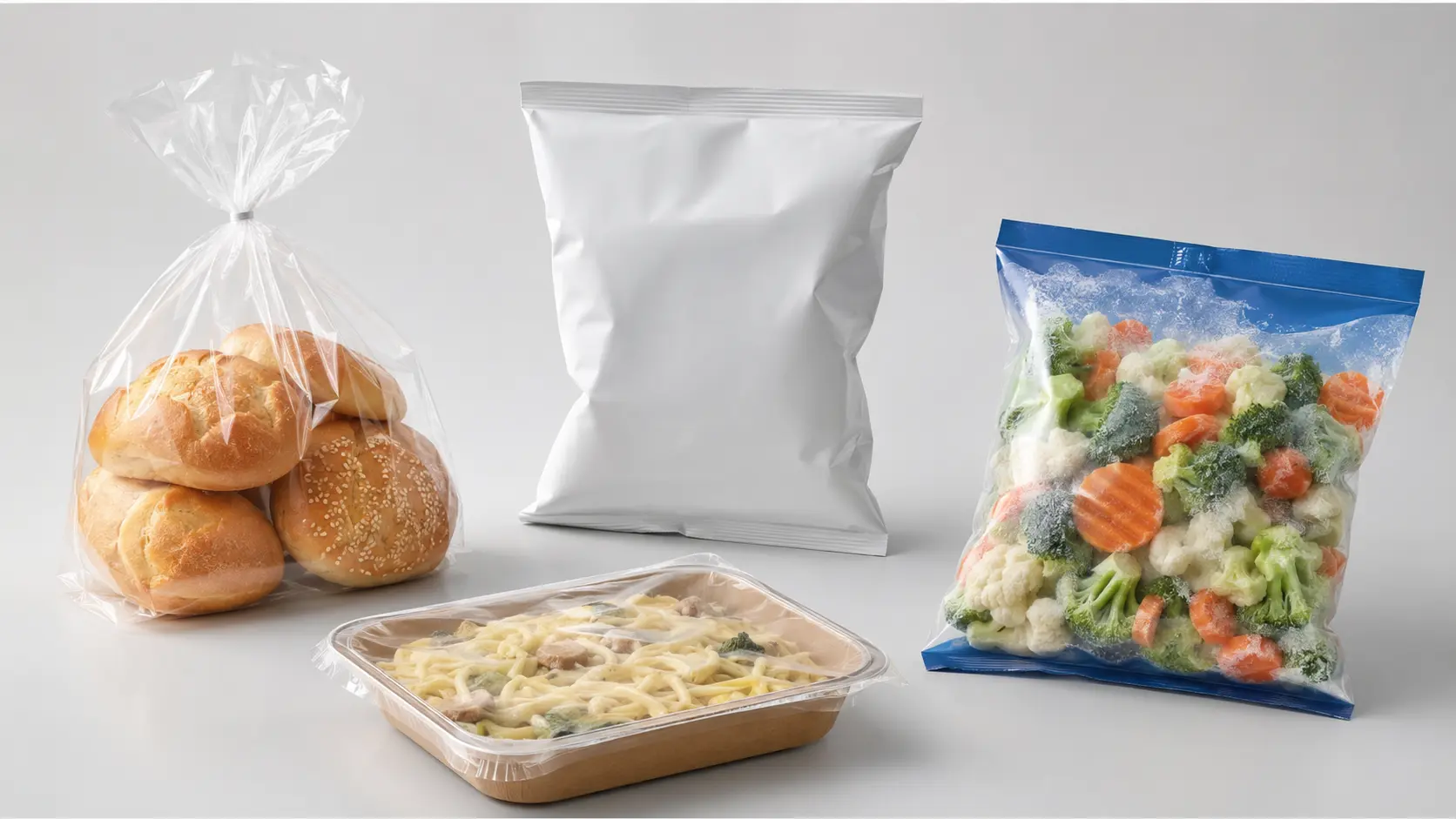
CPP can be engineered for several roles, which makes it useful across different packaging formats. Clear standalone CPP may be used for selected bakery bags, produce packs, confectionery wraps, or overwraps. In flexible laminates, CPP commonly functions as the inner sealant web beneath a printable or barrier outer layer. It may also be designed for lidding where the film must seal to a compatible tray or cup surface.
| Packaging role | Why CPP may be useful | What still needs validation |
|---|---|---|
| Clear wrap or bag | Visibility, flexibility, and heat sealing | Haze, seal range, tear behavior, food contact |
| Inner layer of a laminate | Sealability plus moisture resistance | Adhesion, seal-through-contamination, barrier of the full structure |
| Lidding web | Seal to a compatible container with a flexible web | Tray compatibility, peel or weld behavior, leak integrity |
| Frozen-food package | Flexibility and selected low-temperature grades | Impact after conditioning, seal integrity, cold-chain abuse |
| Retort pouch or lid | Specialized retort-grade CPP can serve as a sealant layer | Grade identity, laminate design, retort schedule, migration, package integrity |
Specialized Grades Need Application-Specific Proof
The CPP family includes transparent, metallizable, metallized, anti-fog, low-temperature, peelable, and retort-grade products. Each capability comes from a specific resin, additive, coextruded layer, coating, metallization process, or surface design. Ordinary CPP should not be assumed to provide all of them.
Retort is the clearest example. A retort package must tolerate a defined sterilization process while maintaining seals, adhesion, barrier, dimensions, and food-contact suitability. A generic polypropylene melting point does not prove that an unspecified CPP film or laminate is retort-ready. Validation must match the grade, layer sequence, adhesive system, food, fill conditions, retort schedule, package shape, and post-retort tests.
Advantage 6: Potential Efficiency and PP-Rich Design Benefits
Cost and Material Efficiency Depend on the Whole Structure
CPP can create economic value when one layer performs several compatible functions—such as sealing, moisture resistance, flexibility, and appearance. Polypropylene’s relatively low density can also translate into useful area yield at a given thickness. In some designs, those features may simplify the structure or reduce dependence on a separate seal coating.
However, “cost-effective” is not an inherent film property. The correct comparison uses cost per usable package, not price per kilogram alone. Yield, thickness, scrap, machine speed, seal rejects, adhesive use, cure time, barrier layers, quality losses, and packed-food waste all affect the result. Downgauging is beneficial only if the thinner structure continues to meet sealing, mechanical, barrier, and line-performance requirements.
Recyclability Is a Package-Level Claim
A CPP web can support a PP-rich packaging design because its main polymer is polypropylene. That may be advantageous when the target recycling system accepts PP flexible packaging and the rest of the package is compatible. It does not mean that every CPP laminate is recyclable in practice.
The March 2026 RecyClass guideline for natural PP flexible films evaluates the main body and also considers barriers, adhesives, inks, closures, size, and product residues. Its details demonstrate why recyclability belongs to the finished package and the relevant collection, sorting, and reprocessing system—not to the CPP layer in isolation. Metallization or a PET, PA, PVC, foil, or other incompatible component can change the assessment.
Important: “PP-based,” “technically recyclable,” and “widely recycled” are not equivalent claims. Verify the target market’s current guidance and the complete converted package.
How to Evaluate CPP Film for a Food-Packaging Project
Define the Product and Process
Start with the packed food not a generic film label Record the food’s sensitivity to moisture oxygen light aroma transfer grease and physical.
Then define the converting and filling process:
- Identify whether CPP will be a standalone web, sealant layer, lidding layer, or metallization substrate.
- Specify the mating seal surface, print or laminate side, treatment requirement, thickness, width, roll geometry, and coefficient-of-friction target.
- Establish the sealing equipment, line speed, jaw design, pressure, dwell time, cooling, and contamination risk.
- Translate product risks into measurable web, seal, barrier, package-integrity, and distribution tests.
- Run trials on the intended production equipment and evaluate aged as well as newly made packages.
Verify Performance and Compliance
Food-contact status must be supported by the exact formulation additives coatings inks adhesives and use conditions In the United States 21 CFR 177 1520 includes specifications and conditions for certain olefin polymers it is not a blanket approval for every CPP package In the European Union the current consolidated Commission Regulation EU No 10 2011 establishes specific requirements for plastic materials and articles intended to contact food A declaration of compliance and where applicable.
Ask the supplier to return:
- a precise film and layer description, including treated side and intended role;
- a current technical data sheet with test methods and conditions;
- seal, optical, mechanical, and barrier data relevant to the intended use;
- food-contact documentation for the exact grade and market;
- change-control information for resin, additives, or construction; and
- samples for converting, line, shelf-life, and distribution validation.
Conclusion
CPP film offers a useful.
Related Bestypack Resources
- Retort CPP Film Heat Resistant
- Cpp Film: Applications, Characteristics, Advantages, Types
- CPP
- PP Cup Sealing Film 90-95mm
 English
 Japanese
 French
 Spanish
 Korean
 Italian
 Portuguese
 Dutch
Dutch Arabic
 Russian
 German