
PET film is polyethylene terephthalate. Widely favoured within the packaging industry, it is a low-cost plastic offering robust protective properties and versatile application. This article will detail the uses and advantages of PET film, aiding you in selecting and utilising it more effectively.
What is PET film?
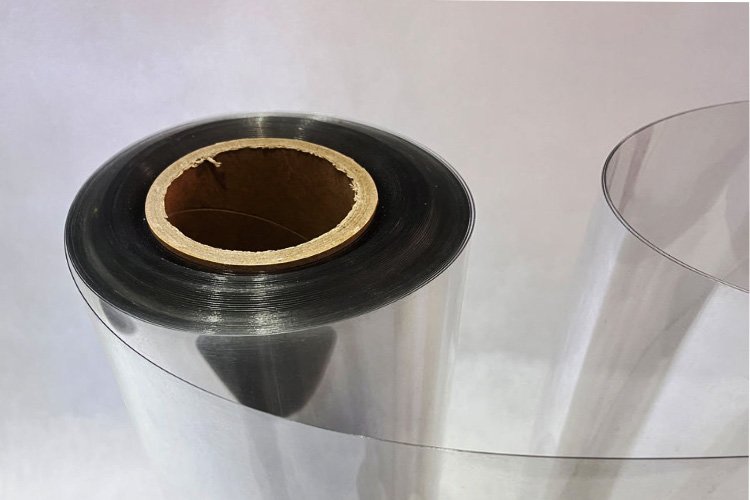
PET film is a plastic film manufactured from polyethylene terephthalate, commonly known as PET film. This thermoplastic film can be reshaped when heated to a specific temperature. It possesses multiple properties, exhibiting excellent performance in physical, optical, thermal, and chemical characteristics. It is suitable for diverse applications including food, pharmaceuticals, building materials, and industrial packaging.
What are the characteristics of PET film?
PET film has become a highly favoured plastic film in the packaging industry, primarily due to the following properties:
Mechanical Properties:
- Tensile strength and puncture resistance: PET film is robust and durable, capable of withstanding high puncture forces and tensile stresses to protect products.
- Extensibility: PET film exhibits excellent elasticity and is easily stretchable, making it adaptable for packaging products of various shapes.
- Dimensional stability: It resists deformation at high temperatures, maintaining stable physical properties.
Physical Properties:
- Optical Properties: PET film exhibits superior optical characteristics, with transparency ranging from 1% to 97%.
- Barrier Properties: PET film possesses excellent barrier properties, effectively isolating gases and offering moderate moisture resistance.
- Abrasion Resistance: PET film exhibits low wear susceptibility and high durability, providing effective protective packaging.
- UV Resistance: PET film effectively reduces UV damage to products, offering UV protection.
Electrical Properties:
PET film possesses good antistatic properties, suitable for packaging electronic components such as LED screens and other electrosensitive products.
Chemical Properties:
Chemical Stability: Resistant to corrosion by most chemicals, suitable for diverse packaging applications.
Composite Capability: Compatible with multiple materials for composite applications, offering diverse processing methods including metallisation, corona treatment, printing, and holographic finishing.
Environmental Sustainability:
PET film exhibits high recyclability, permitting multiple cycles of recovery and reuse.
What are the primary types of PET film?
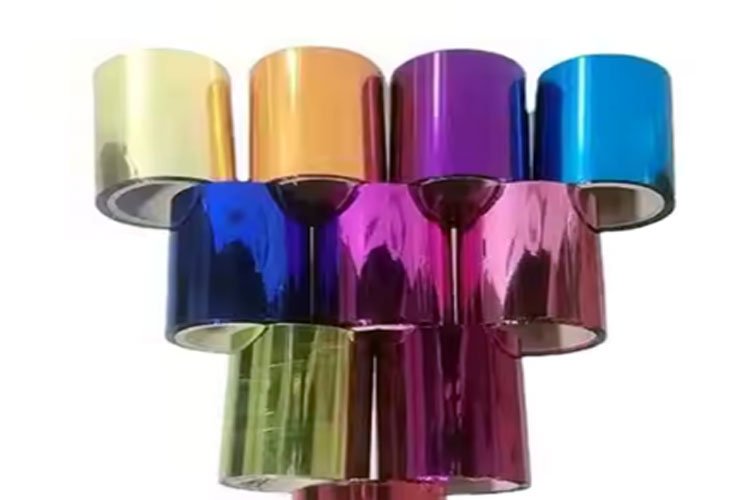
PET film can undergo various processing techniques to produce distinct styles for different applications. Common products primarily include the following types:
- Transparent PET film
High-transparent polyester film with excellent optical transparency, ideal for packaging, labels, and display applications requiring visibility. - Corona-treated PET film
Corona-treated PET film with enhanced adhesion for printing, coating, and lamination; improves ink and adhesive bonding. - Silicone-coated holographic PET film
Holographic PET with silicone release layer; used in labels, tapes, and graphics for easy peeling and visual appeal. - Frosted PET film
Translucent PET with matte, frosted finish; offers privacy, light diffusion, and elegant appearance in decorative packaging. - Transparent thermal transfer PET film
Clear PET designed for thermal ribbon printing; delivers sharp, durable images for labels and barcodes. - Holographic PET film
Holographic PET film with embedded holograms; enhances security, branding, and visual impact in packaging. - PETG shrink film
High-shrinkage PETG film for sleeve labels; conforms tightly to contoured containers with excellent clarity. - Metallic PET film
Vacuum-metallized PET with shiny, reflective surface; used in premium labels, gift wraps, and insulation. - PET twist wrap film
Thin, strong PET film for candy twisting; provides secure seal, gloss, and vibrant printability.
PET Film Applications
As flexible packaging, PET film plays a significant role in the food and beverage sector. FDA-certified PET film is safe and non-toxic for direct food contact. PET metallic twist wrap film is suitable for confectionery packaging.
Medical Industry:
PET film is used in medical device packaging, offering antimicrobial properties to prevent infection. It is employed in high-quality, long-life photographic film production, as well as for pharmaceutical packaging and X-ray film.
Construction Industry:
PET film offers excellent thermal insulation and moisture resistance, making it suitable for construction applications. Common uses include insulation layers, waterproof barriers, and window films.
Electronics Manufacturing:
PET film possesses superior insulation and anti-static properties, enabling the packaging of electrosensitive products. It is also employed in touchscreens and insulation layers for electronic devices. Key applications include electronics packaging, component insulation, and LCD screens.
Industrial Production:
- Protective Layer: PET film’s durability and chemical resistance make it suitable as a protective coating in mechanical manufacturing. It ensures machinery operates reliably and extends service life.
- Laminated Layer: PET film can be combined with other materials to enhance its properties. Its excellent laminating characteristics make it common in industrial laminates.
- Insulating Layer: Its superior barrier and insulating properties play a critical role in electrical manufacturing. It is frequently used as equipment insulation.
Printing Industry:
PET film is frequently employed in the printing sector for pattern reproduction. Its favourable optical properties make it suitable for use as a cover layer or overlay. Common applications include thermal transfer film and protective cover layers.
Optical Industry:
PET film is utilised in solar panels to prevent excessive ultraviolet radiation exposure, providing essential protection. Metallized PET film effectively serves as solar reflectors.
How is PET film manufactured?
- Melting into liquid:
The liquid formulation for PET film primarily comprises polyethylene terephthalate (PTA) and ethylene glycol (MEG). These two materials are typically extracted from the naphtha cracking chain and constitute the main components of PET. Controlled polymerisation reactions form long chains of PET polymer. - Extrusion and stretching:
Subsequently, the molten liquid is extruded onto a chill roll, where it solidifies into a film. A stretching machine then subjects the film to biaxial orientation. This involves first stretching in the machine direction (MD), followed by stretching in the transverse direction (TD). This step enhances the polymer chains, improving transparency and barrier properties. - Heat Setting:
Finally, the film undergoes heat setting to enhance thermal stability.
What is the cost of PET film?
PET film offers high cost-effectiveness, making it a highly economical packaging material. Compared to PVC, PET film is more durable, boasts a longer lifespan, has lower material costs, and provides superior value for money.
BestY Pack
Choosing BestY Pack As China’s leading PET film manufacturer, our products are distributed worldwide. We maintain a team of specialised experts dedicated to developing premium products, collaborating with numerous partners across the food, medical, and construction sectors.H2: Choose BestY Pack
As a leading PET film manufacturer in China, our products are distributed globally. We maintain a team of specialised experts dedicated to developing premium products, collaborating with numerous partners across sectors including food, healthcare, and construction. Years of experience have honed our comprehensive capabilities in processing, production, and sales. Our products merit priority consideration for their quality, pricing, and delivery speed.
Share your requirements with us, and our team will contact you promptly. We will efficiently design the perfect solution for you.
FAQ

Hello, customers
My name is Jack Yu. I am the Business Manager at BestY Pack Plastic Products. My areas of expertise include film packaging, cold chain transportation packaging, and shrink products. Additionally, our factory manufactures protective gloves, and I can provide you with professional solutions to help you increase your market share and enhance consumer trust.
Email: ᅠjackyu@bestypack.com
Tel: +86 18368319351