
The CPP film is very popular in packaging materials. It has excellent performance. High Barrier Property, High transparency, and Glossiness. Toughness and tear resistance are also widely used in various fields. This guide will introduce you to the manufacturing process of CPP film, its advantages and characteristics, and how to choose CPP film. This guide will give you a better understanding of CPP films.
What is CPP Film?
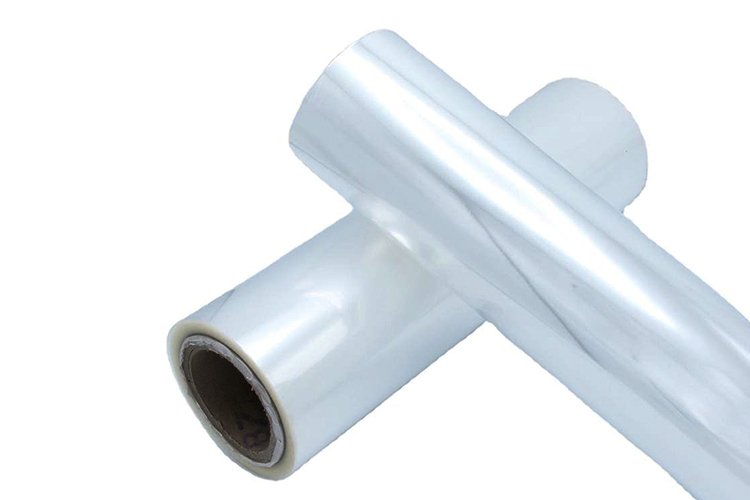
CPP film is also called Cast Polypropylene film. It is made by the Cast extrusion process. It is mainly made from polypropylene, which is oriented in the longitudinal direction. It has a certain orientation in the longitudinal direction. CPP can be Heat sealing or ultrasonic without using any special coating. This is related to its raw material and structure.CPP film is also a heat-sealable film. It also has excellent moisture resistance and anti-static properties. CPP also has High transparency, and the packaged items can be seen very clearly. It can be used to make stationery bags and vegetable bags. It can also be used to package medicines.
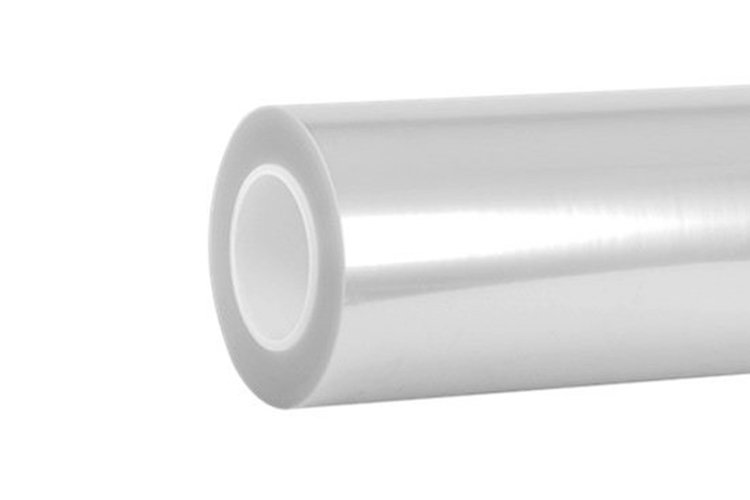
CPP Film Manufacturing Process
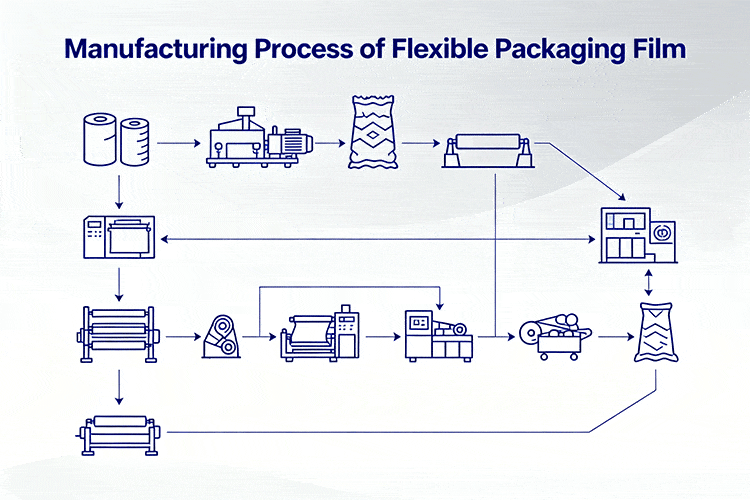
The CPP film is produced by the Cast extrusion process. The polypropylene resin is first melted, then extruded through a flat die and cast onto a Chill roll. It is then rapidly cooled and cured. This process allows for very precise control of Film Performance and thickness. The chemical molecules are in an orderly Molecular Alignment when produced by Cast. Temperature has a very strong influence on Film Performance. When the resin temperature increases, the Longitudinal Stretching strength of the film increases. The Glossiness of the film will increase, and the transparency of the film will increase. However, the Transverse Stretching strength decreases. It is recommended to keep the temperature at 225-255℃. A very thin air layer will be formed on the surface of the cooling Chill roll, which allows the film to cool evenly and maintain high production speed. Cast film is very soft in texture. The production speed, tension, and pressure need to be adjusted according to the thickness of the film when winding. Otherwise, the flatness of the film will be affected. It will also produce ripples. So the tension should be appropriate and kept constant.
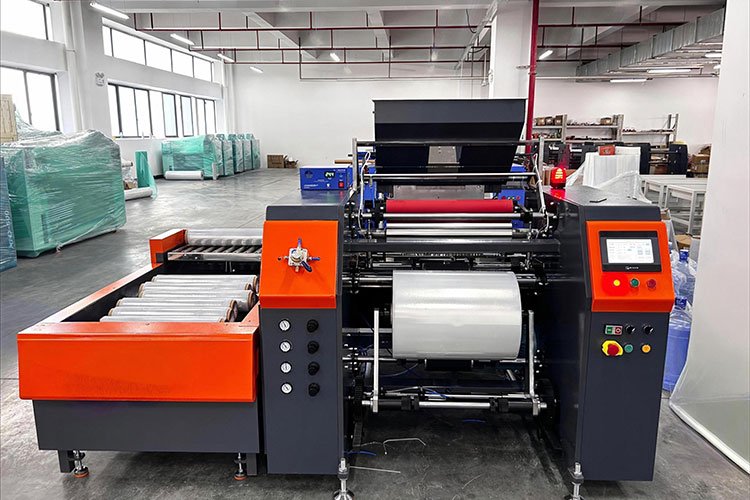
Characteristics and Advantages of CPP Film
- Barrier Performance: CPP Film Performance is excellent. It is a very effective barrier to oxygen, moisture, and grease, which is important for perishable foods. Very important for perishable food products. CPP film can extend the shelf life and avoid premature deterioration of products. It makes fresh videos more attractive and flavorful, and retains more nutritional value. CPP films are commonly used to package snacks, baked goods, and other fresh foods. It can also be used to protect sophisticated electronics.
- Transparency and Glossiness: The CPP film has excellent transparency and glossiness. You can see the packaged items very clearly. It will not affect the aesthetics. It can enhance the attractiveness of the product to customers.
- Machine performance: CPP has very high tensile strength, toughness, and tear resistance. It can provide very good protection for the products. Its durability is also very good. For some heavy products or products with sharp edges, CPP can provide good protection. Provide some strength to prevent being punctured and torn. Ensure items are very safe in transportation and storage.
- Chemical resistance: CPP film is chemically resistant. It can be used to package cosmetics. CPP film can also be used as a packaging material that will not react with the product. Ensure the purity and composition of the product.
- Printability: CPP films are very suitable for printing. Can print very complex graphics, and the printing is very clear. Its surface supports a variety of printing techniques. It allows companies to create designs that are more appealing to customers and increase brand awareness. CPP film is practical and aesthetically pleasing.
- Food safety: CPP film meets food safety standards. It can be in direct contact with food. It does not produce harmful substances.CPP film can be used in food packaging with great confidence.
- Recyclable: CPP film can be recycled and reused. Compared with other plastic films, it also has less impact on the environment.CPP. It is also very light in weight. The unique production process allows for cost-effectiveness. The most notable feature of CPP film is that the raw material, polypropylene, does not contain harmful additives. CPP films are also very safe. This is important for companies seeking sustainability and cost control.
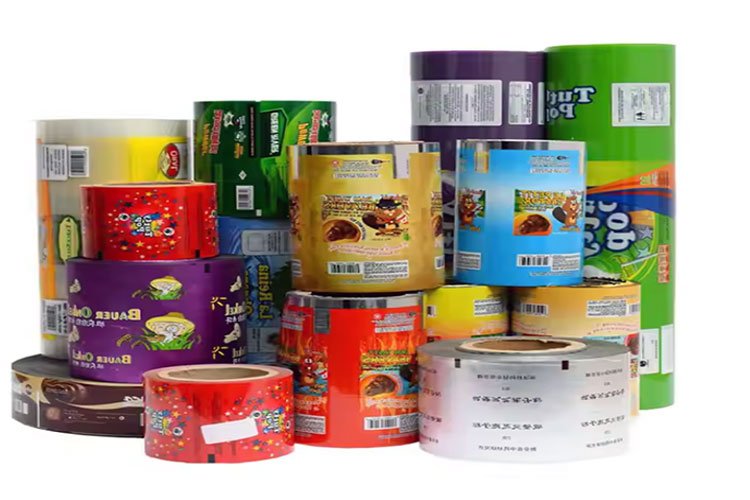
Classification of CPP Film
CPP film is a polypropylene film. It comes in many types, each used in different scenarios. Understanding these different types of CPP films will allow you to make a better choice.
General Purpose CPP Film:
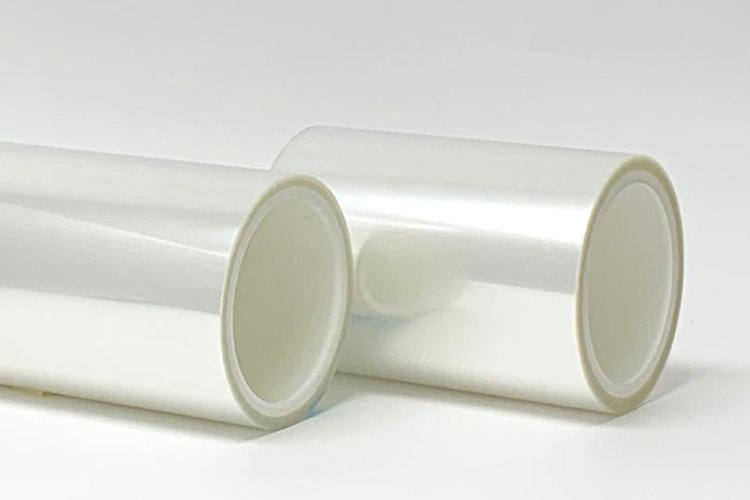
General purpose CPP film with High transparency and good hardness. It also has excellent Heat Sealability. It is usually used as a sealing layer that conforms to flexible packaging. It is usually used in combination with BOPP film. General-purpose CPP films are mainly used to package household goods. It is also used to package snacks and candies. It is a very common type.
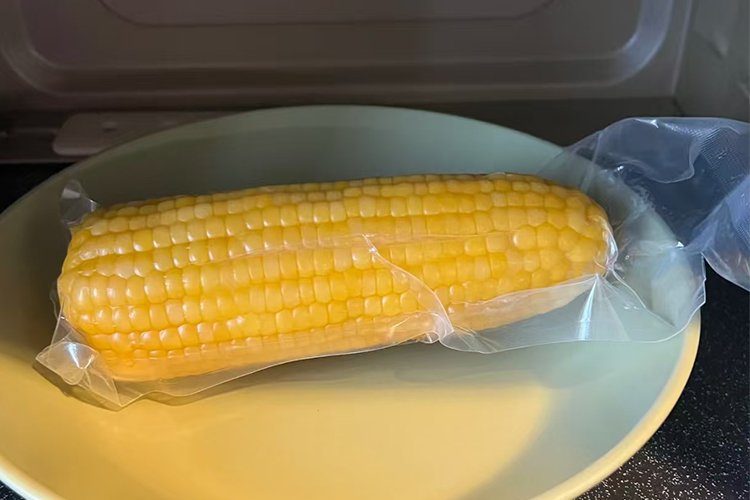
Metallized Film:
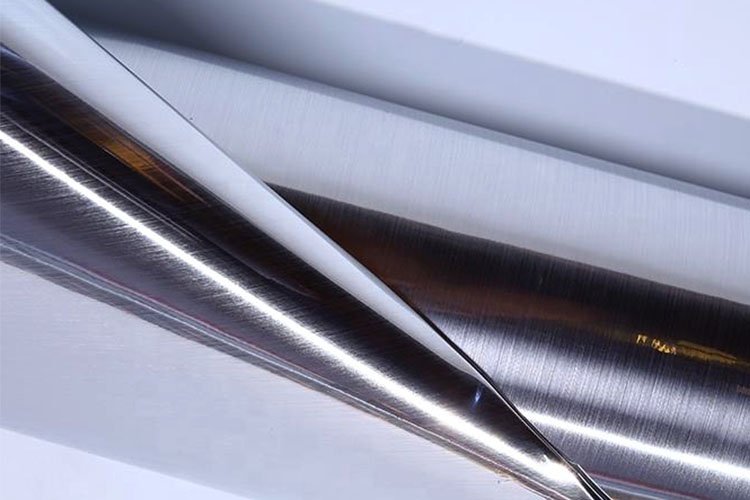
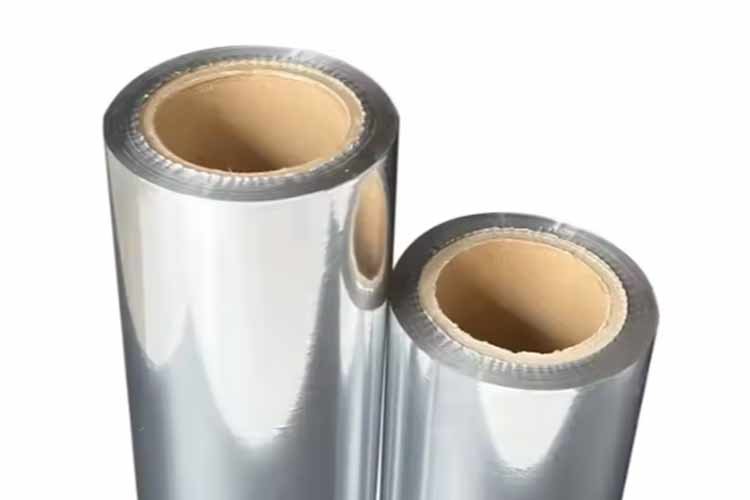
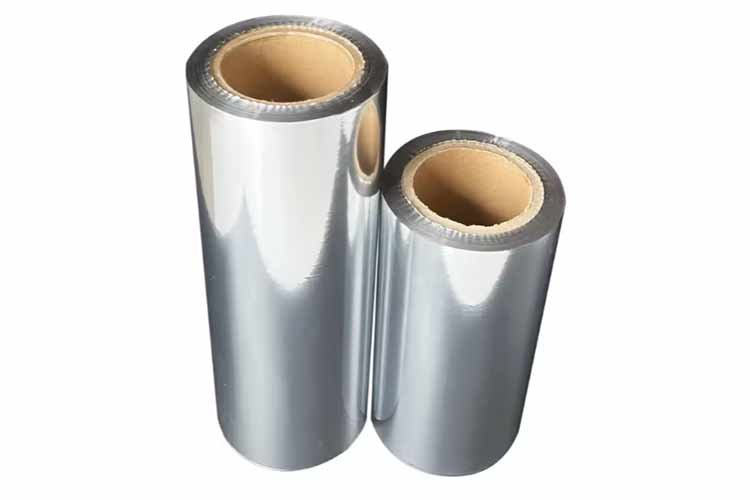
Vacuum metallized cast polypropylene films are a new material that is both practical and aesthetically pleasing. It has very strong adhesion to metal coatings. It is very suitable for vacuum coating. It is produced by depositing a thin film on the surface of the CPP film. Usually aluminum. This Metallized Film has excellent barrier properties. It is also very aesthetically pleasing. Metallized Film can be used to package tea, crispy snacks, or cookies. It can also be used to package electronics and cosmetics. Some luxury goods are also packaged with it. Metallized coating makes its surface more glossy, which is good to enhance the image of the product. It can attract more users and show more quality. Its moisture and oxidation resistance can also better ensure the integrity and durability of the product.
Cookable CPP film:
There are two main types of cookable CPP films. High-Temperature Retort and semi-retort, which can withstand temperatures up to 138°C. Semi-retort can withstand temperatures up to 118°C, while semi-retort can withstand temperatures up to 118°C. Semi-retort can withstand 118°C. It is mainly used for steaming packaging. It is mainly used for steaming packaging. It can provide heat-resistant credentials in high-temperature environments. Protects food during sterilization. It can be used to package ready-to-eat foods and other heated instant foods.
Solid White CPP:
White CPP film is also produced by the Cast process. It is opaque. It is mainly used in scenarios where label patterns need to be printed on a white background. It can also be used for shading.
Applications of CPP Film
CPP films are very versatile and are used in various fields. It can be used to package food, candy, desserts, and baked goods. It can be used for stationery packaging. It can also be used for vacuum coating, and the pharmaceutical industry also has applications. The following are specific applications.
Food packaging:
CPP film has excellent strength, transparency, and barrier properties. It can effectively isolate moisture and oxygen. Commonly used to package a variety of food. For example, meat, candy, snacks, and baked goods etc. CPP film can not only provide a good appearance but also keep fresh. It is very important for the food packaging industry.
Pharmaceuticals:
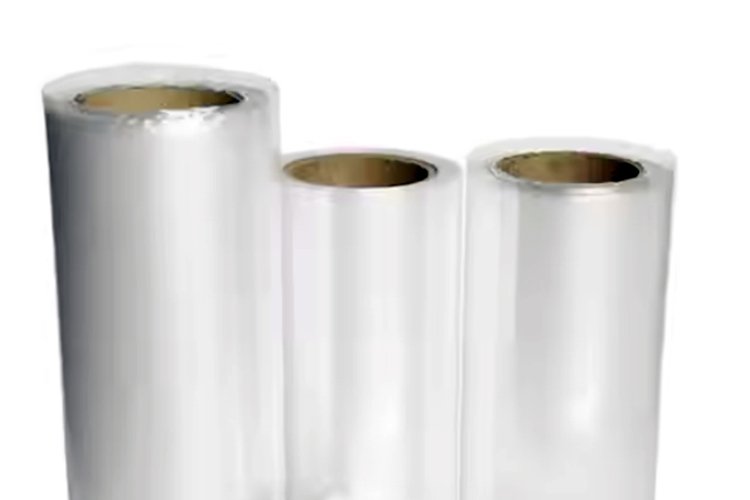
CPP film can be used for blister packaging, mainly for packaging devices that require High transparency and high protection. CPP film is also used for pouching systems and sterile wraps, because of its good chemical resistance and insulation, it can provide good sealing integrity. CPP films can also protect pharmaceuticals from degradation and contamination.
Personal care products:
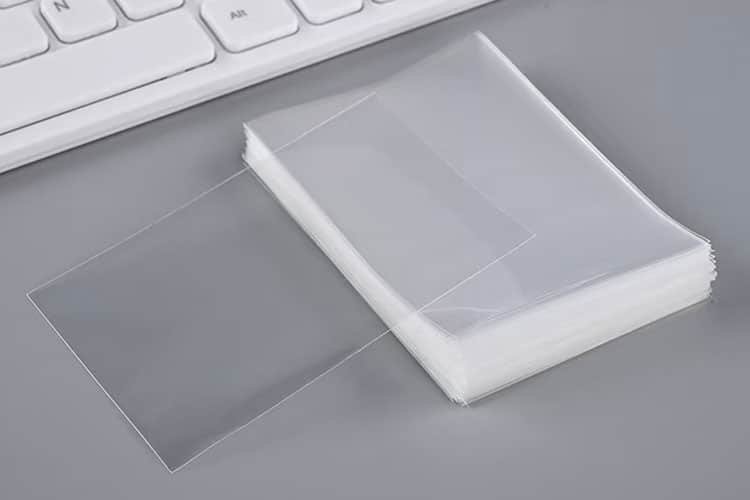
CPP films are now used in personal care products and hygiene applications. They are used to package shampoos and conditioning products. CPP films have very good flexibility and transparency, which can be very attractive to consumers and increase brand awareness. Diaper bags and hygiene products packaging also have applications.
Industrial Packaging:
CPP film is very protective, and it is also very durable. It can be used for industrial packaging of various products. It can be used to package loose parts, bulk materials, and other industrial products. It is chemically resistant and can withstand harsh chemicals in industrial environments. The heat resistance and flexibility can be adapted to environments with large temperature variations.
How to choose cPP film
CPP films are widely used in various fields. Choosing the right CPP film is very important for product packaging.
Define the needs: first, determine the physical and chemical properties of the product. Solid, liquid, or powder. Then determine whether it needs to block oxygen, moisture, or preserve odors. Whether the product is at room temperature or needs to be sterilized in a High-Temperature Retort. Also consider the transparency and Glossiness of the package.
Film parameters: To consider the thickness of the film, packaging different products with different thicknesses. The film should have sufficient tensile strength so that it does not break during transportation.
Regulatory approvals: Films should be certified before they can be used with confidence. Films for packaging food products need to pass test reports from the FDA, EFSA, etc. This kind of film is safer when it comes in contact with food and does not release harmful substances. Consumers are also assured.
Cost efficiency: It is important to consider the cost. This includes the unit price of the film, transportation, wear and tear, storage, and other costs. Efficiency is also important. Including production, packaging, transportation, and delivery. You can start with a small batch to test the cost. Evaluate efficiency and cost. Reduce risk.
Sustainability: Consider material costs and whether the CPP film is recyclable. Whether it is good for the environment. Very important for companies pursuing sustainable development.
FAQ
Differences Between BOPP and CPP
Both BOPP and CPP films are made from polypropylene. However, they are produced in different ways. This also gives them different structures and properties. They are also used in different scenarios.BOPP is a bi-oriented polypropylene film. They are made through a process that involves stretching in both Transverse and Longitudinal directions. This process gives BOPP excellent strength, transparency, and barrier properties. BOPP films are widely used in labeling and food packaging. The CPP film is made by the Cast extrusion process. The transparency and Glossiness are very good. CPP film has better tear resistance but lower tensile strength than BOPP film, which is more durable and puncture resistant.
Related Products
Related Blog


Hello, customers
My name is Jack Yu. I am the Business Manager at BestY Pack Plastic Products. My areas of expertise include film packaging, cold chain transportation packaging, and shrink products. Additionally, our factory manufactures protective gloves, and I can provide you with professional solutions to help you increase your market share and enhance consumer trust.
Email: ᅠjackyu@bestypack.com
Tel: +86 18368319351