
Easy-peel films combine strong product protection with effortless opening. This article provides a comprehensive overview of easy-peel films, covering their definition, properties, manufacturing process, applications, and future trends.
What is an Easy-Peel Film?
For environmental claims, compare the design with the U.S. EPA’s recycling guidance and the actual local collection system.
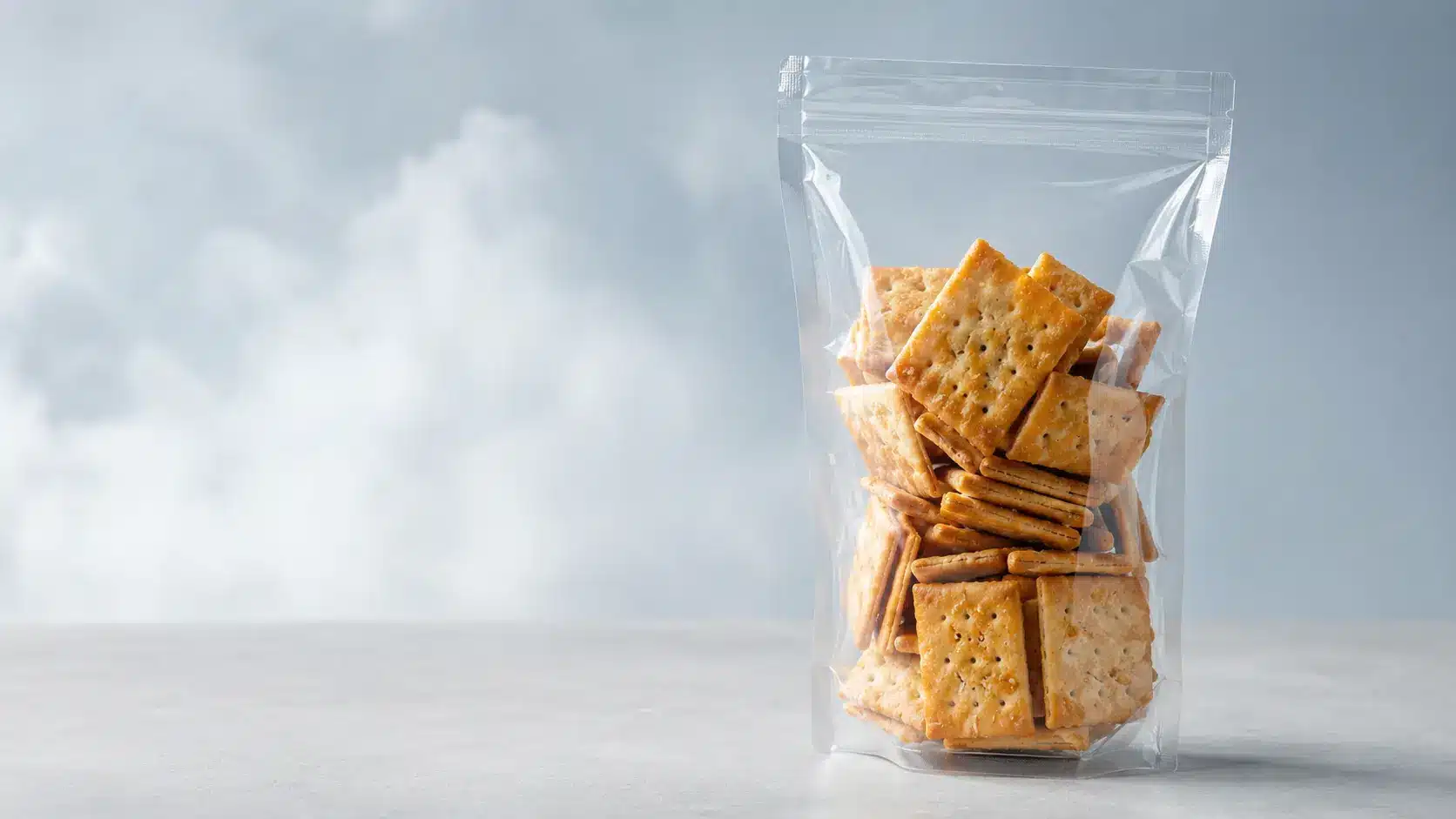
Introduction to Easy-Peel Film
Easy-peel film is a specialized film designed for sealed packaging. This film can be easily opened without damaging the packaged product. It is widely used in food and beverage packaging, pharmaceuticals, cosmetics, and chemical products.
Why Are Easy-Peel Films Important in Packaging?
The Importance of Easy-Peel Film
- Product Protection:
As a packaging solution, easy-peel film provides essential protection for packaged products. Its strong sealing properties prevent leakage and contamination. During transport and storage, it protects the contents from dust, ensuring hygiene and cleanliness. - Convenience:
Easy-peel film allows consumers to open packaging effortlessly. It tears smoothly without leaving adhesive residue, enhancing satisfaction and boosting product repurchase rates. - Extended shelf life:
Easy-peel film possesses excellent barrier properties, resisting moisture and oils. When combined with an aluminum foil layer, it provides enhanced barrier protection. This extends shelf life, making it particularly suitable for food and pharmaceutical packaging. - Bonding:
Easy-peel film exhibits excellent adhesion between the base and seal layers. Its strong bonding capability makes it particularly suitable for complexly shaped objects.
The Science Behind Easy-peel film
Material Composition of Easy-Peel Film
Easy-peel film typically comprises three distinct functional layers: the seal layer, the barrier layer, and the structural layer.
Structural layer (base film): This provides mechanical strength and serves as the primary structure of the easy-peel film. It is commonly manufactured from PE, PET, or CPP.
Heat-seal layer: Used to bond the structural layer to the substrate, ensuring the product is sealed. For polyethylene (PE), polypropylene (PP), and ethylene-vinyl acetate (EVA), this layer must be a material that is easy to peel.
Manufacturing Process
- Material Selection: Choose an appropriate structural layer and a suitable adhesive based on the requirements of the base film and functional needs.
- Adhesive application: Apply adhesive evenly.
- Laminating: Employ solvent-based or solvent-free machinery for dry lamination to bond the films together.
- Curing: Cure for a minimum of 24 hours under precise temperature and pressure control to enhance interlayer adhesion.
- Die-cutting: Once cured, the laminated material is die-cut to meet consumer specifications for size and shape.
Types of Easy-Peel Film
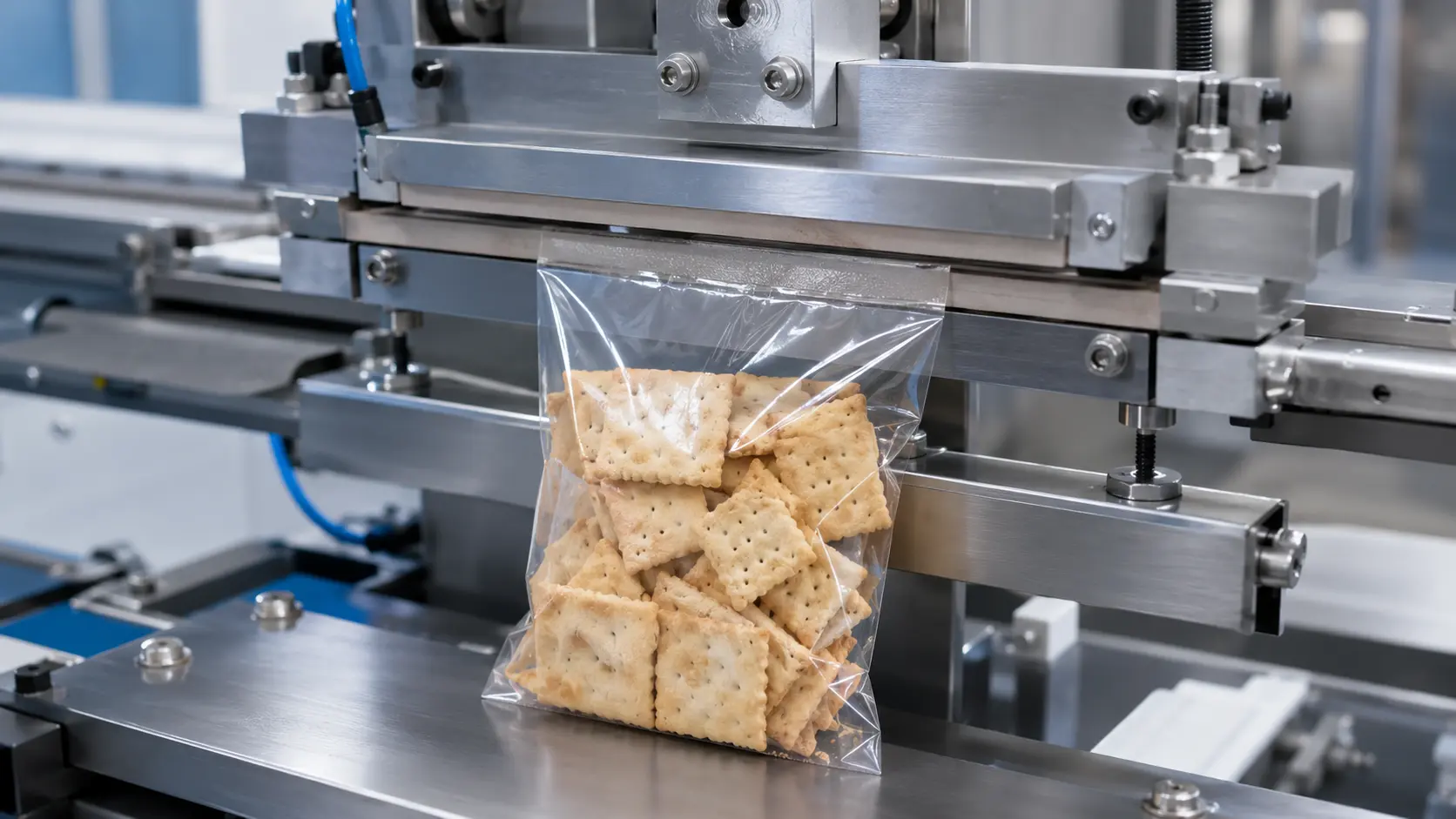
By Material Classification:
PE-based easy-peel film offers excellent flexibility and transparency, and is safe and non-toxic. It is more commonly used in food and pharmaceutical packaging.
PET-based easy-peel film provides superior strength and barrier properties. It is suitable for products requiring high moisture resistance and protection.
PP-based easy-peel film exhibits strong heat resistance, making it suitable for high-temperature environments. It is frequently used for lids.
By peel strength classification:
Easy peel: Very easy to remove, offering consumers high convenience and popularity. However, it provides comparatively weaker sealing properties.
Medium peel: Balances sealing integrity with user-friendly opening. Positioned between ‘easy peel’ and ‘difficult peel.’
Difficult peel: Features strong adhesion and is suitable for products requiring high sealing integrity.
Functional Classification:
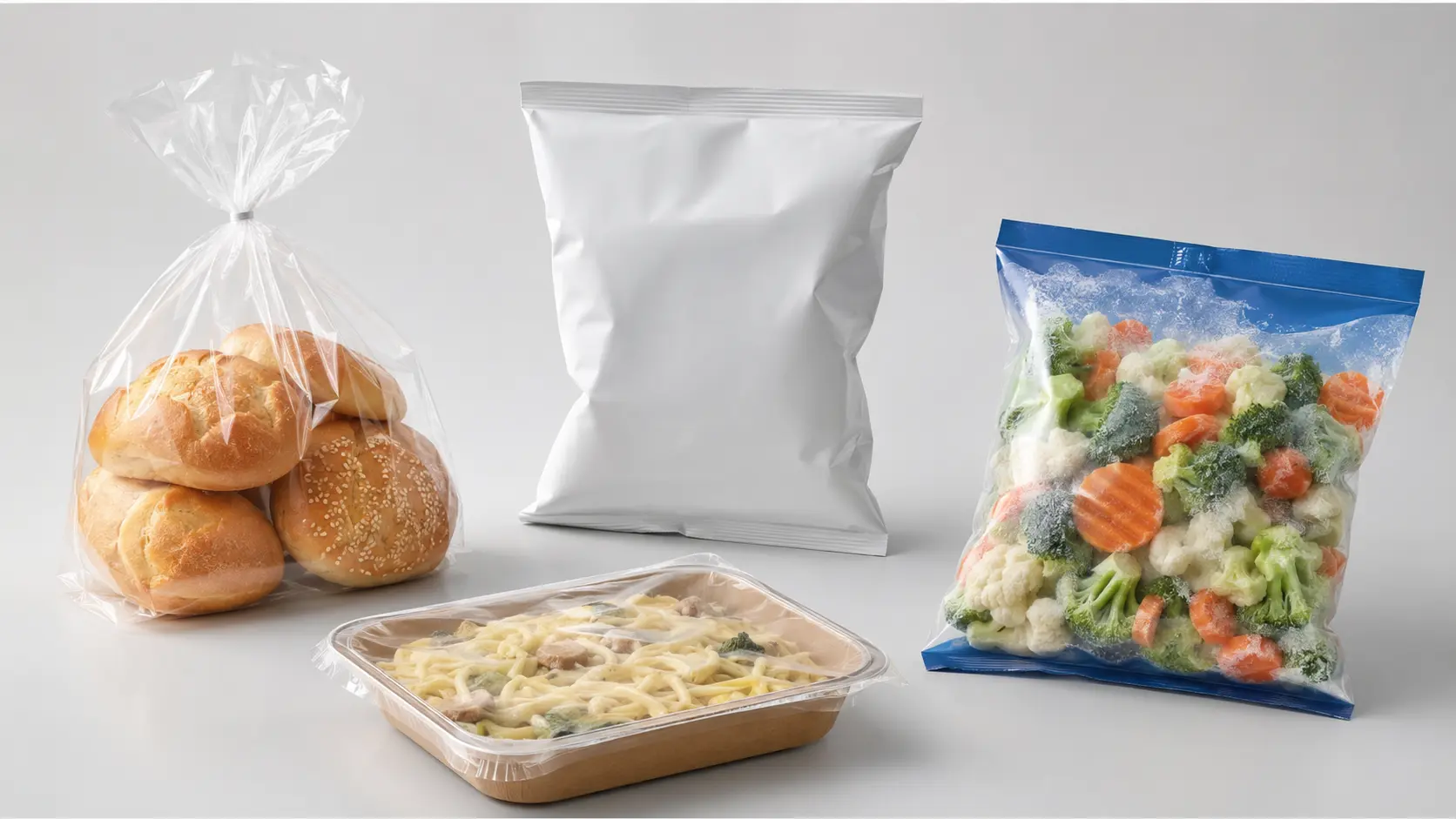
Anti-fog easy-peel film: Maintains high transparency and visibility even in humid conditions.
Barrier-type easy-peel film: Offers superior resistance to oxygen, moisture, and other contaminants.
Heat-resistant, easy-peel film: Exhibits excellent temperature tolerance, maintaining seal integrity and performance stability under elevated temperatures.
Application Scenarios for Easy-peel film
Easy-peel film finds extensive use across various sectors, including food, pharmaceuticals, personal care, electronics, industrial applications, and other industries.
Food Industry: Easy-peel film is employed in the food sector for products such as beverages, preserved meats, and instant foods. It provides secure sealing while facilitating easy opening. Examples include instant noodles, yogurt, and cheese packaging.
Cosmetics and Personal Care: Easy-peel film is used for packaging beauty and skincare products, preventing oxidation. It is particularly advantageous for cosmetics prone to oxidation. Examples include beauty sponges, eye creams, and facial cleansers.
Pharmaceutical Packaging: Easy-peel film helps maintain a clean and sterile environment, protecting medicines from microbial contamination. It is often combined with metalized film to maintain sterile conditions for pharmaceuticals and medical devices. Examples include blister packaging for capsules and disposable syringes.
Electronics: When paired with barrier films, easy-peel film delivers superior moisture resistance for electronic products, ensuring protection against humidity. Examples include battery packaging.
Quality Inspection of Easy-peel film
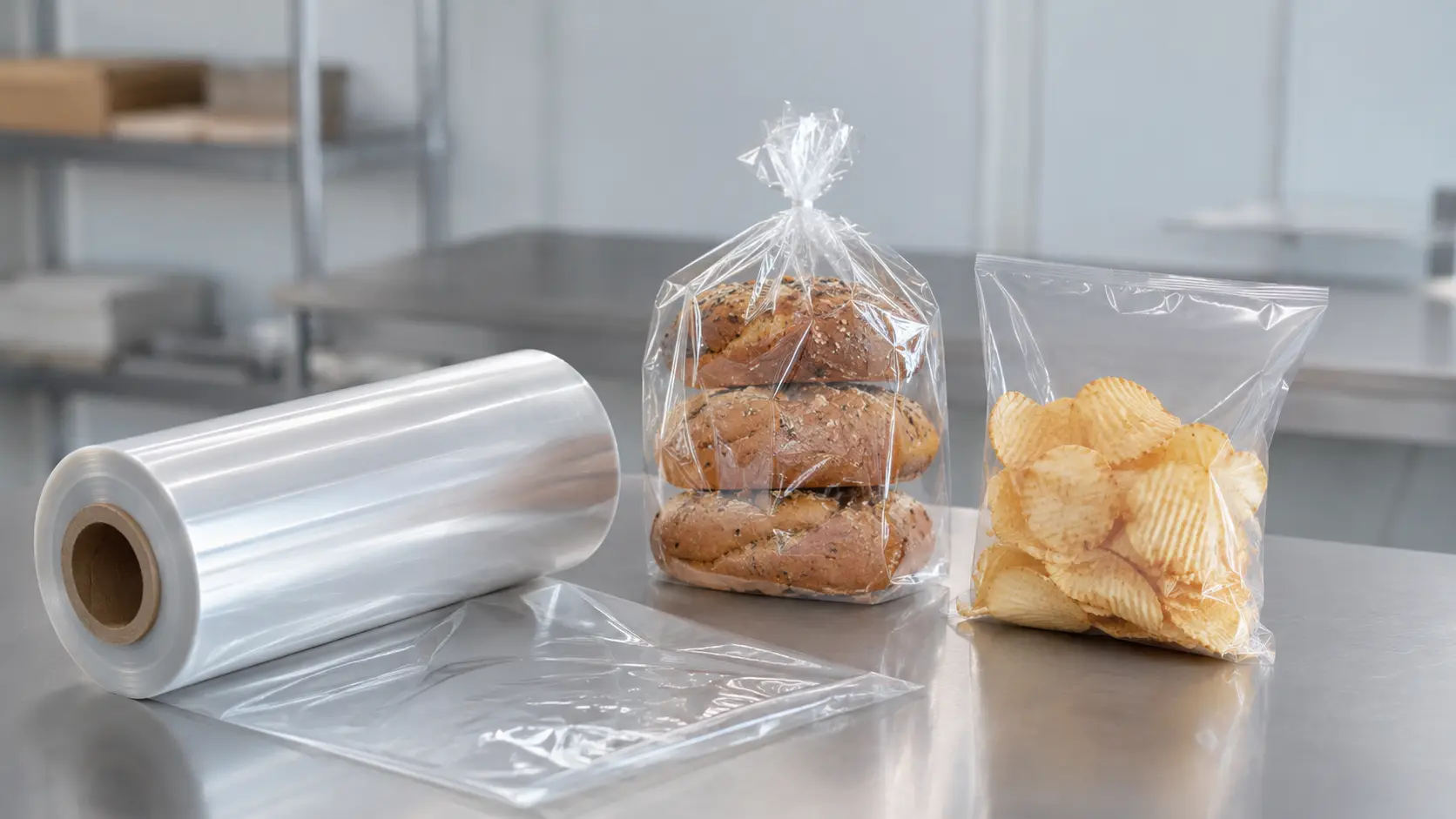
Quality inspection of easy-peel film is a critical process. It is key to enhancing customer satisfaction, effectively ensuring repeat purchase rates, and upholding the company’s reputation.
Quality testing for easy-peel film primarily includes the following:
Peel Strength Testing:
Used to evaluate the adhesive bond between two materials, particularly the adhesive layer of peelable films. The measurement is conducted by peeling samples at specific angles and speeds. Two primary methods exist: the T-PEEL Test (ASTM D1876) and the 180° Peel Test (ISO 8510) and the 10-Degree Peel Test (ISO 8510).
Sure, here is the information presented in a table format as requested.
| Feature | T-Peel Test (ASTM D1876) | 180° Peel Test (ISO 8510) |
|---|---|---|
| Test Configuration | Involved | Not Required |
| Key Testing Factors | – Adhesive uniformity – Standard width, length – Load applied by Universal Testing Machine | – Specimen preparation – Test angle (typically 180°) – Environmental conditions |
Future Trends in Easy-peel films
BestY Pack continuously enhances its easy-peel films to meet evolving market needs. They are designed and made with future trends in mind. Key areas include sustainable easy-peel films, smart easy-peel films, and custom-produced easy-peel films.
We address global environmental concerns by developing sustainable easy-peel film solutions. For food preservation applications, we prioritize food safety and health. Embedded sensors allow real-time monitoring of product freshness.
For existing easy-peel films, we offer bespoke production to meet your specific requirements. Our specialist design team will promptly provide you with optimal solutions.
BestY Pack
BestY Pack’s easy-peel films deliver excellent performance, fulfilling your requirements for easy-peel packaging. With years of specialized production experience, our company possesses professional expertise and extensive know-how. We are committed to supplying high-quality, easy-to-peel films.
Our engineering team utilizes advanced production technologies and complete manufacturing lines for easy-peel films. This helps us stay competitive. We implement rigorous quality control systems to guarantee every batch meets superior standards. We provide custom production services to help you with easy-peel film packaging challenges.
FAQ
How does easy-peel film function?
Easy-peel film has three layers: the structural layer, the adhesive layer, and the barrier layer. This film provides excellent gas barrier properties. It also resists moisture and protects against oxidation. It is ideal for heat-sealed beverage cups or trays. The specially formulated adhesive allows precise control over peel strength, ensuring residue-free removal. Research published in the Journal of Food Science (2022) indicates that its barrier properties extend shelf life by 30%.
What factors should be considered when selecting easy-peel film?
Key customization considerations when choosing easy-peel film include:
- Product type: Will it be used for liquid beverage packaging or electronic product packaging? This determines whether specific performance enhancements or specialized processing is required.
- Seal Strength: The film’s seal keeps products safe. It stops dust and contaminants from entering the package. This is crucial for the food and pharmaceutical industries. A strong seal provides excellent moisture resistance.
- Thickness and Dimensions: Choose the right thickness and size for the substrate. This ensures effective packaging and reduces waste.
- Printability: Do you require printing your own labels onto the easy-peel film? This option enhances brand visibility and is a worthwhile consideration.
 English
 Japanese
 French
 Spanish
 Korean
 Italian
 Portuguese
 Dutch
Dutch Arabic
 Russian
 German