
No—conventional polyolefin (POF) 수축 필름 is generally not biodegradable or compostable. It is designed to shrink around a product when heated, not to be converted by microorganisms after disposal. A specially formulated film may carry a narrower environmental claim, but the letters “POF” do not prove it. For a defensible packaging decision, buyers need to verify the finished film’s composition, the claimed disposal environment, the test or certification, local collection access, and performance on the actual packing line.
Short Answer: Conventional POF Shrink Film Is Not Biodegradable
환경 관련 주장의 경우, 해당 설계를 미국 EPA의 기준과 비교하십시오. 재활용 지침 및 실제 지역 수거 시스템과 비교하십시오.
환경 관련 주장을 위해, 미국 EPA의 재활용 지침 및 실제 지역 수거 시스템을 고려한 설계.
Ordinary POF 수축 필름 film should be treated as a conventional plastic film unless product-specific documentation says otherwise. It does not become biodegradable simply because it is thin, clear, lightweight, or described as a polyolefin. These characteristics may be relevant to packaging performance or material use, but they do not establish microbial breakdown.
The qualification matters because “POF shrink film” covers commercial films with different formulations and constructions. A supplier may also offer a separately formulated film with an additive or a different polymer system. That does not change the default answer for conventional POF, and it does not make one product’s claim transferable to another grade, thickness, or converted package.
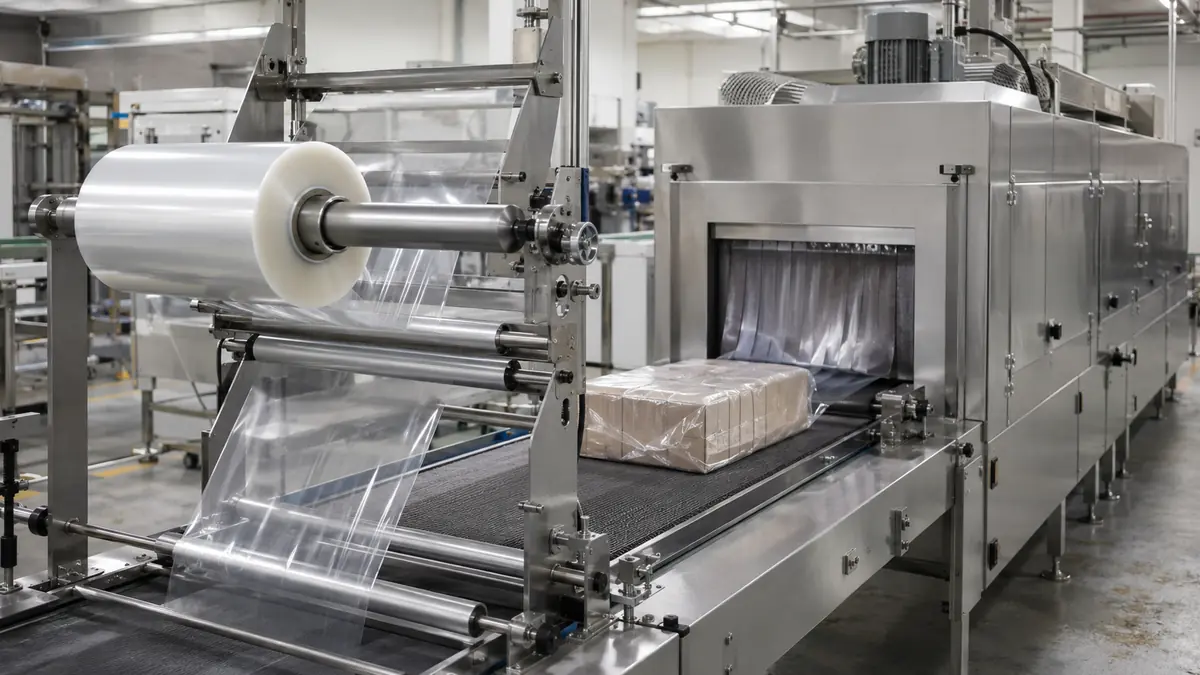
The safest buying position is therefore simple: assume conventional POF is not biodegradable, then evaluate any exception against evidence for the exact finished film and claimed end-of-life environment.
What POF Shrink Film Is Made Of
POF is a category name for 수축 필름 based on polyolefin materials. Commercial constructions can vary by resin selection, layer arrangement, additives, orientation, and whether a film has been cross-linked. Those choices influence sealing, shrink response, toughness, optics, and recycling compatibility. They also mean that a generic category name cannot prove the composition or end-of-life behavior of a particular roll.
POF Is a Material Family, Not a Compostability Label
“Polyolefin” identifies a family of polymers; it is not an environmental certification. A conventional POF film may use one or more polyolefin layers and processing aids selected for shrink-packaging performance. A buyer therefore needs a construction statement or technical data for the exact grade rather than an assumption based on the abbreviation.
The same distinction applies to converted packaging. Printing, labels, adhesives, tapes, coatings, and the product residue left on a wrap can affect the compatibility of the whole package with an end-of-life route. A claim made for a base resin or unprinted film does not automatically cover the final package.
Why Conventional Polyolefin Structures Persist
Conventional POF structures are engineered to remain stable through storage, sealing, shrinking, distribution, and use. They are not designed for microorganisms to convert the complete material under customary disposal conditions. Weathering may make a film brittle, fade its surface, or break it into smaller pieces, but a change in appearance or size does not by itself demonstrate complete biodegradation.
There is no responsible universal statement such as “POF disappears in a fixed number of years.” The outcome depends on the exact material and environment, while landfills, soil, water, and industrial composting systems have very different temperature, oxygen, moisture, and microbial conditions. A claim needs to name those conditions.
What “Biodegradable” Actually Requires
Environmental terms answer different questions. Using them as synonyms can lead a buyer to approve the wrong material, disposal instruction, or marketing language.
| Term | What it describes | 입증하지 못하는 사항 |
|---|---|---|
| Biodegradable | Microbial conversion under specified conditions | A universal rate, open-environment breakdown, or local disposal access |
| Compostable | Biodegradation and disintegration within the scope of a defined composting specification | Home compostability or acceptance by every industrial facility |
| Bio-based | Partial or full origin from biological resources | Biodegradability, compostability, or recycling compatibility |
| 재활용 가능 | Compatibility with a viable collection, sorting, reprocessing, and market system | Biodegradability or universal local acceptance |
| Degradable | A broad claim that material changes or breaks down | Complete microbial conversion or absence of persistent fragments |
유럽위원회는 생분해성 플라스틱이 특정 조건에서만 분해되며, 퇴비화 가능 플라스틱은 일반적으로 산업용 퇴비화와 연계된 하위 범주임을 지적한다. 이는 폐기 환경을 주장의 일부로 만들며, 단순한 각주가 아니다.
Biodegradable and Compostable Are Not Synonyms
“생분해성”이라는 표현은 분해 환경, 기간, 방법 및 전환 정도를 명시하지 않는 한 불완전하다. “퇴비화 가능”은 더 좁은 의미로, 특정 퇴비화 시스템에서의 성능을 다루는 규격과 연계되어야 한다. 예를 들어, ASTM D6400은 호기성 도시 또는 산업용 퇴비화 시설을 위해 설계된 플라스틱을 대상으로 한다. 그 범위는 가정용 퇴비화 또는 개방 환경에서의 거동을 규정하지 않는다.
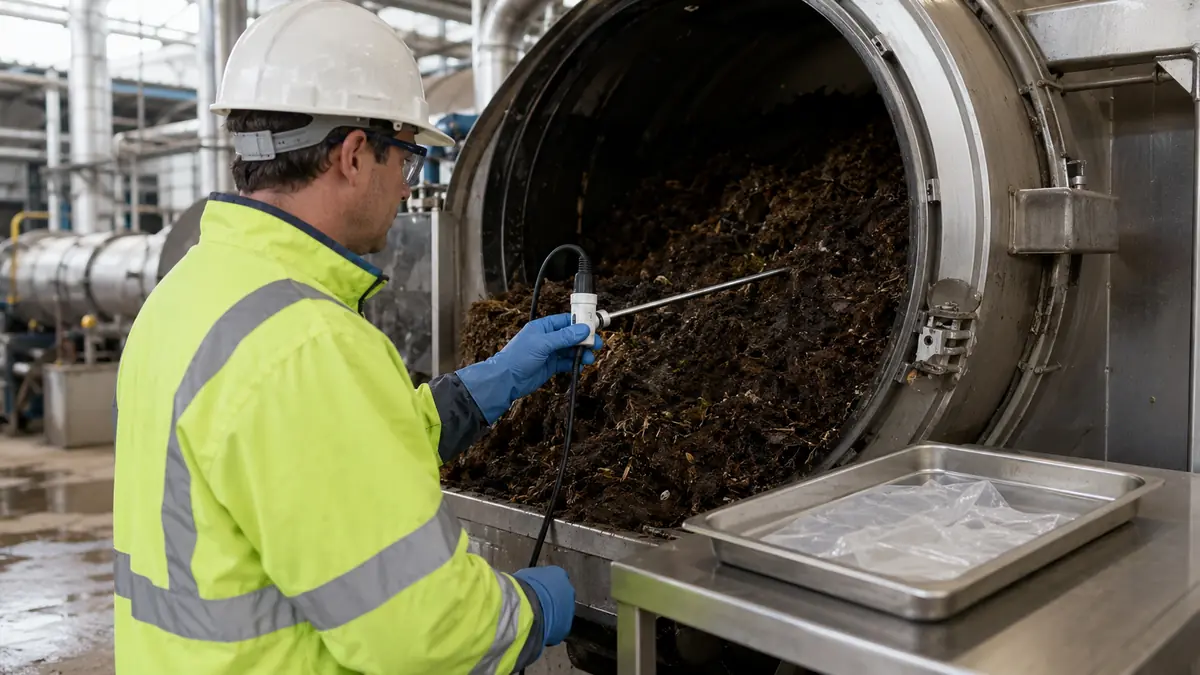
A certificate or test summary should therefore identify the finished product, thickness, color or printing status where relevant, test method, facility environment, and applicable version or scheme. A supplier’s statement that a raw material is “biodegradable” is not enough to prove that the final shrink film, label, ink, and adhesive combination is compostable.
Bio-Based Does Not Automatically Mean Biodegradable
Feedstock origin and end-of-life behavior are separate attributes. A plastic can contain biological feedstock and still behave like a conventional non-biodegradable polymer. Conversely, a biodegradable polymer may be produced partly from fossil resources. Buyers should record bio-based content and biodegradability as two different claims with separate evidence.
This distinction prevents a common procurement error: approving a renewable-content claim as if it were a disposal instruction. The package still needs an appropriate collection or treatment route, and the on-pack wording must match what the evidence actually demonstrates.
Why Additive and Oxo-Degradable Claims Need Careful Review
Some films are promoted with additives intended to accelerate oxidation, embrittlement, fragmentation, or later biological activity. Such products must be evaluated separately from both conventional POF and certified compostable films. The buyer needs to know what process the test measured and whether the complete finished film reached the claimed endpoint.
Fragmentation Is Not Proof of Complete Biodegradation
A film can lose strength and break into pieces without establishing that microorganisms converted the material to carbon dioxide, water, biomass, and other expected end products under the claimed conditions. Weight loss, visual disappearance, or reduced 인장 강도 may describe part of an aging process, but none is automatically equivalent to complete biodegradation.
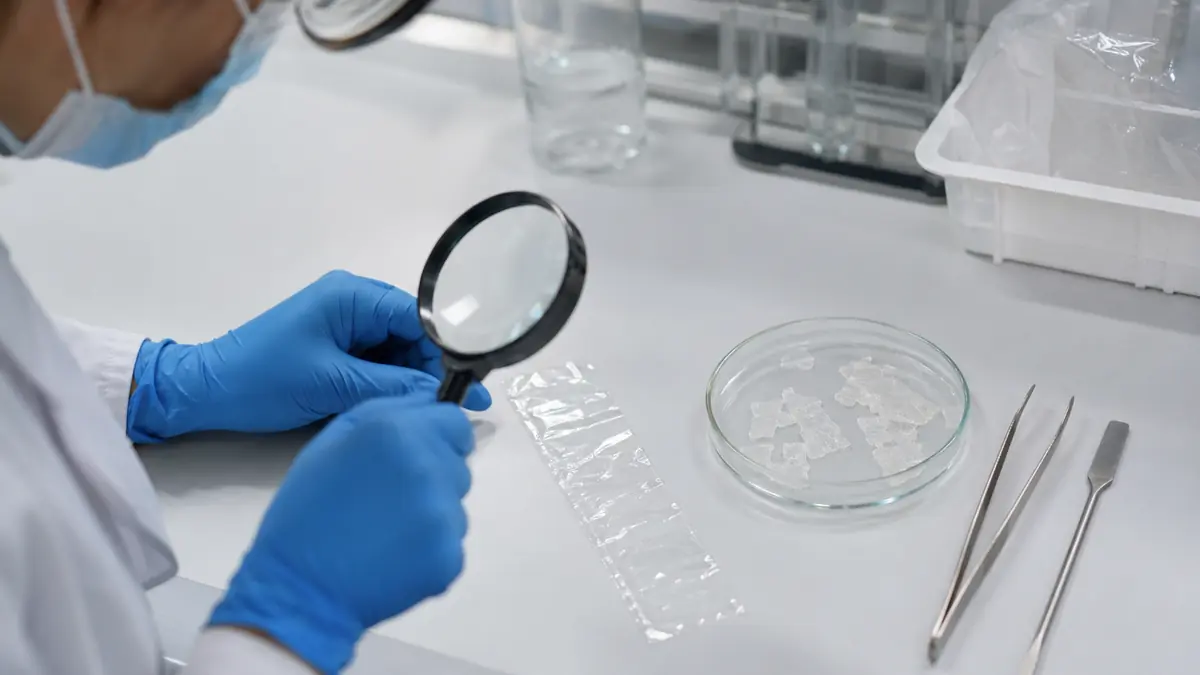
중요: Ask whether the evidence measures fragmentation, chemical change, biological conversion, or all required endpoints. The specimen must match the commercial film; an additive concentrate, resin pellet, or thicker laboratory sample cannot automatically substantiate the converted package.
Claim Rules Depend on the Target Market
환경 마케팅 요건은 관할권에 따라 다르다. 미국의 경우, FTC 그린 가이드 요약에 따르면 무조건적인 분해성 주장을 하려면 제품 또는 포장 전체가 통상적인 폐기 후 합리적으로 짧은 기간 내에 완전히 분해되어 자연으로 돌아간다는 증거가 필요하다. 또한 해당 지침은 매립, 소각 또는 재활용 대상 품목에 대한 무조건적인 생분해성 주장에 대해 경고한다.
유럽연합은 산화성 분해 플라스틱에 대해 다르지만 관련된 접근 방식을 취한다. 지침 (EU) 2019/904는 산화를 통해 조각화 또는 화학적 분해를 초래하는 첨가제와 관련하여 산화성 분해 플라스틱을 정의하며, 회원국이 산화성 분해 플라스틱으로 제조된 제품을 시장에 출시하는 것을 금지하도록 요구한다.
이는 시장별 사례일 뿐, 글로벌 법률 자문이 아닙니다. 여러 국가에서 동일한 필름을 판매하는 공급업체는 모든 대상 시장에 대해 주장, 라벨, 증거 및 폐기 지침을 검토해야 합니다.
POF 수축 필름을 대신 재활용할 수 있습니까?
가능성은 있습니다. 그러나 “생분해되지 않음”이 자동으로 “모든 곳에서 재활용 가능함”을 의미하지는 않습니다. 재활용 주장은 정확한 필름과 최종 포장재에 대해 평가된 후, 이를 실제로 수용하는 수거 및 재처리 시스템과 연결되어야 합니다.
- 설계 호환성: 완전한 포장재가 의도된 재활용 시스템의 설계 기준을 충족합니다.
- 수거 접근성: 사용자가 해당 포장재 형식에 대한 수거 프로그램에 접근할 수 있습니다.
- 시스템 수용: 수거 및 선별 시스템이 해당 품목을 수용합니다.
- 최종 시장 생존 가능성: 회수된 재료가 기능하는 시장 또는 지원되는 판로를 보유하고 있습니다.
기술적 재활용성은 단 하나의 조건일 뿐입니다.
플라스틱 재활용 협회는 설계, 수거 접근성, 해당 시스템의 수용 여부, 회수된 수지의 최종 시장 등 여러 조건을 통해 재활용 가능성을 설명한다. 기술적으로 호환되는 필름도 수거, 선별 또는 수용되지 않으면 실질적인 재활용 가능성이 부족할 수 있다.
전체포장재 설계 또한 중요합니다. 수지 혼합, 가교, 인쇄, 잉크, 접착제, 라벨, 금속화 특징, 종이 구성 요소 및 제품 오염은 평가를 변경할 수 있습니다. 올바른 질문은 추상적으로 “POF가 재활용 가능한가?”가 아닙니다. “이 완성된 포장재가 판매 시장의 의도된 재활용 시스템과 호환되는가?”입니다.”
수거 및 수용은 현지에서 확인되어야 합니다.
유연 필름은 경질 용기와 다르게 취급되는 경우가 많다. 미국에서 How2Recycle은 모든 플라스틱 필름이 매장 반납 프로그램과 호환되는 것은 아니라고 명시하며, 사용자에게 해당 라벨을 확인하도록 안내한다. 해당 경로는 임의의 POF 필름을 소매점 수거함에 넣을 수 있는 일반적 허가가 아니며, 글로벌 수거 모델도 아니다.
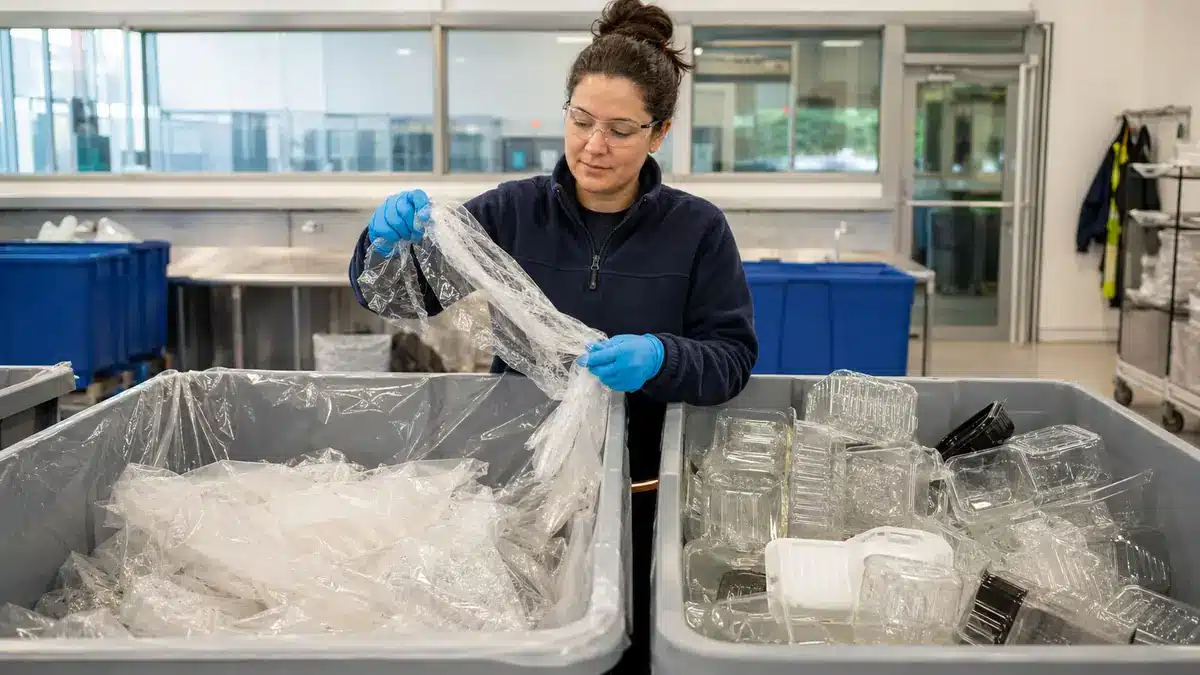
사업장 폐기물의 경우, 기업은 소비자가 접근할 수 없는 깨끗하고 분리된 필름 스트림에 접근할 수 있습니다. 가정용 포장재의 경우 현지 프로그램의 지침을 따라야 합니다. 검증된 경로가 없을 때, 자격 제한이 없는 재활용 주장은 실제 회수가 아닌 희망 재활용을 초래할 수 있습니다.
생분해성 또는 퇴비화 가능 수축 필름 주장을 확인하는 방법
주장을 재료, 폐기 환경, 시장 및 완성된 포장재와 연결하는 순서를 사용하십시오.
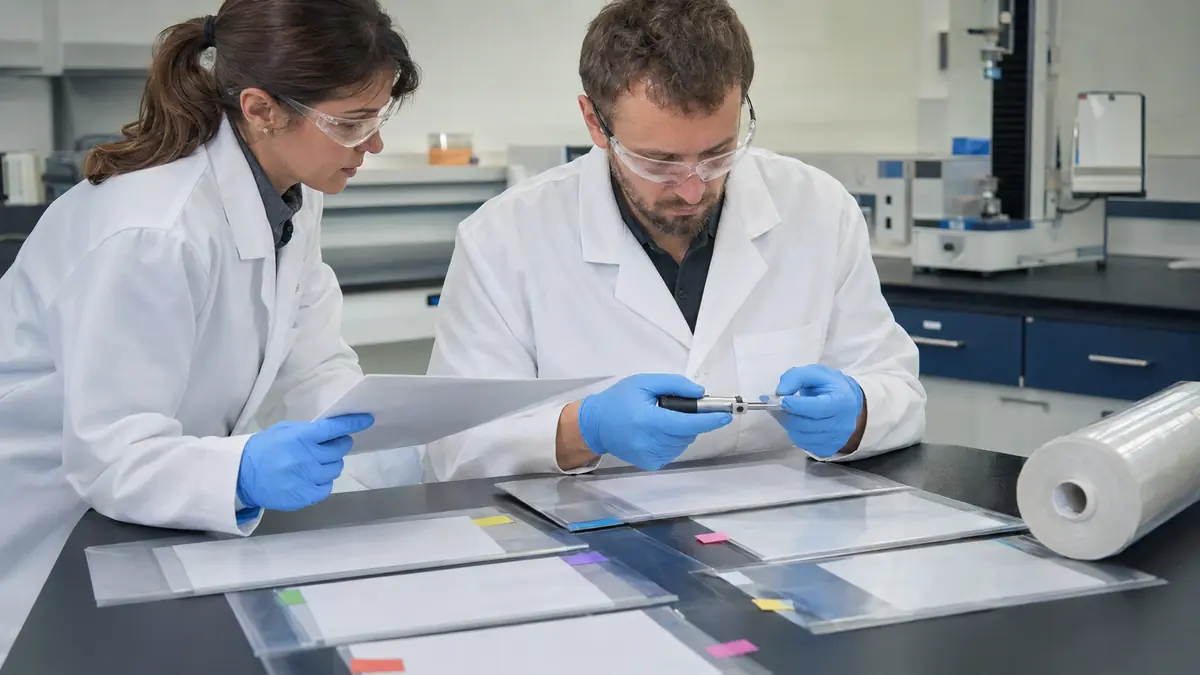
- 정확한 필름 식별. 공급업체, 등급, 폴리머 또는 층 구성, 두께, 배향, 가교 상태, 첨가제, 인쇄, 라벨, 접착제 및 의도된 제품을 기록하십시오.
- 주장된 최종 결과를 정의하십시오. 생분해성, 산업용 퇴비화 가능, 가정용 퇴비화 가능, 재활용 가능 또는 기타 정확하게 표현된 속성을 명시하십시오. “친환경”을 테스트 가능한 최종 결과로 받아들이지 마십시오.
- 폐기 환경을 명시하십시오. 산업용 퇴비화, 가정용 퇴비화, 토양, 담수, 해양, 매립 또는 재활용 스트림을 명시하십시오. 한 환경의 증거를 다른 환경으로 전환할 수 없습니다.
- 방법과 시료를 검토하십시오. 전체 보고서 또는 인증 범위, 실험실, 날짜, 표준 또는 프로토콜, 시험 조건, 시료 설명 및 결과를 확보하십시오. 시험된 시료가 판매 가능한 완성 필름과 일치하는지 확인하십시오.
- 완전한 포장재를 확인하십시오. 잉크, 코팅, 라벨, 접착제, 마감재 및 잔류물이 주장에 포함되는지 또는 별도 평가가 필요한지 결정하십시오.
- 시장 문구를 검증하십시오. 제안된 주장 및 폐기 지침을 각 대상 국가의 규정과 비교하십시오. 한 시장에서 자격이 제한된 주장이 다른 시장에서는 부적합할 수 있습니다.
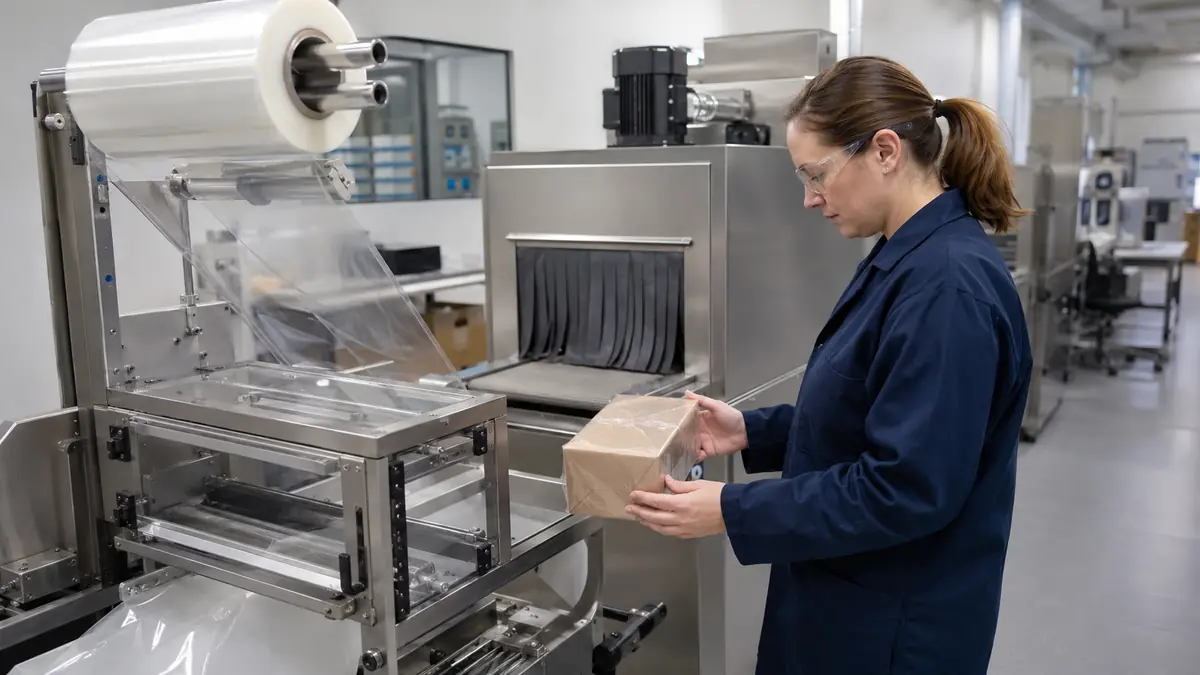
- 인프라 및 성능을 확인하십시오. 사용자가 의도된 시설 또는 수거 시스템에 접근할 수 있는지 확인한 후, 실제 장비에서 실링, 수축, 광학 특성, 포장 무결성 및 line speed 를 시험하십시오.
어떤 연결고리라도 누락된 경우, 일반적인 재료 설명으로 공백을 채우지 말고 문구를 좁히십시오.
구매자는 어떤 대안을 평가해야 합니까?
최상의 대안은 포장 시스템이 달성하도록 설계된 결과에 따라 달라집니다. 생분해성이 자동으로 최우선 경로는 아니며, 수명 종료 사양을 충족하는 재료라도 프로젝트의 제품 보호 또는 장비 요구 사항을 충족하지 못할 수 있습니다.
인증된 퇴비화 가능 수축 필름
인증된 퇴비화 가능 필름은 포장재가 유기물로 오염될 가능성이 높고, 별도 수거가 존재하며, 이를 수용하는 산업용 퇴비화 시설이 이용 가능한 경우 관련이 있을 수 있습니다. 구매자는 정확한 인증서 또는 적합성 증거, 승인된 두께 및 가공, 완전한 포장재 구성 요소 및 폐기 지침을 확인해야 합니다.
성능은 독립적으로 검증되어야 합니다. 실링 개시, 수축 곡선, 수축력, 터널 온도, 체류 시간, 광학 특성, puncture resistance, 저장 안정성 및 포장 무결성은 기존 POF와 다를 수 있습니다. 시험은 실제 제품, 실러, 터널, 컨베이어 속도 및 유통 조건을 사용해야 합니다.
재료 절감 및 재활용 호환 설계
퇴비화가 현실적인 경로가 아닌 경우, 구매자는 두 가지 다른 전략을 비교할 수 있습니다:
- 포장 무결성을 손상시키지 않으면서 필름 사용량을 줄이고, 시험을 통해 재료 절감 효과를 상쇄하는 파손 또는 재작업을 방지합니다.
- 인쇄, 라벨, 접착제 및 수거 접근성을 포함하여 검증된 재활용 스트림에 맞게 완전한 포장재를 설계합니다.
이러한 전략은 정의된 기준선에 대해 평가되어야 합니다. “적은 재료”, “재활용 호환”, “퇴비화 가능”은 서로 다른 설계 선택을 설명하며, 적절한 비교 없이는 어느 것도 더 낮은 전체 환경 영향을 증명하지 않습니다. POF 지속 가능성 주장에 대한 실용적인 RFQ 체크리스트.
공급업체에게 예/아니오 식의 마케팅 답변이 아닌 통제된 증거 패키지를 반환하도록 요청하십시오:
정확한 제품명, 등급, 필름 유형, 두께 범위 및 구성.
- 주장과 관련된 폴리머, 첨가제, 가교, 인쇄, 코팅, 라벨 및 접착제 선언.
- 정확한 제안 문구: 생분해성, 퇴비화 가능, 재활용 가능, 바이오 기반.
- Precise proposed wording: biodegradable, compostable, recyclable, bio-based, 재활용 함량, 또는 다른 주장.
- 대상 시장, 의도된 용도 및 예상 폐기 환경.
- 전체 시험 보고서 또는 인증서 범위(방법, 버전, 시험소, 날짜, 시편, 두께, 조건, 결과 및 제한 사항 포함).
- 보고서가 판매 가능한 완성 필름을 포함하며, 주장된 경우 완전히 가공된 패키지를 포함한다는 확인.
- 적용 가능한 수거 또는 처리 경로 및 현장 접근성과 수용 여부에 대한 증거.
- 재활용 가능성이 주장될 경우 전체 패키지에 대한 재활용 설계 평가.
- 포장-line trial 밀봉, 수축 반응, 광학 특성, 손상, 패키지 무결성 및 처리량을 포함한 계획.
- 수지, 첨가제, 두께, 인쇄, 라벨, 접착제 또는 공급업체 변경 시 검토를 요구하는 변경 관리 약속.
이 체크리스트는 주장을 사전 승인하지 않습니다. 조달, 품질 및 지속 가능성 팀이 감사 가능한 결정을 내리는 데 필요한 정보를 제공합니다.
일반적인 구매자 질문
열 수축이 POF를 생분해성으로 만듭니까?
아닙니다. 열 수축은 제품 주변에서 필름의 치수를 변경할 뿐이며, 미생물이 폐기 후 완성 재료를 전환할 수 있다는 증거를 생성하지 않습니다. 수축 거동과 생분해성은 별개의 특성입니다.
투명 POF 필름을 퇴비통에 넣을 수 있습니까?
외관만으로는 안 됩니다. 투명한 기존 POF는 단지 얇거나 투명하다고 해서 퇴비화 가능한 것은 아닙니다. 정확한 필름과 완전한 패키지가 해당 환경에 적합한 증거를 갖추고 수용 프로그램이 이를 받아들일 때만 퇴비화 경로를 사용하십시오.
POF 필름을 일반 재활용 수거함에 넣을 수 있습니까?
패키지와 지역 프로그램에 따라 다릅니다. 많은 일반 재활용 시스템은 느슨한 유연 필름을 수용하지 않으며, 대체 수거 경로는 평가된 재료만 수용할 수 있습니다. 지역 당국 또는 해당 패키지별 라벨을 따르십시오. “폴리올레핀”이라는 단어만으로 필름을 수거함에 넣지 마십시오.”
퇴비화 가능한 수축 필름을 기존 장비에서 사용할 수 있습니까?
가능하지만, 가정해서는 안 됩니다. 필름의 밀봉 및 수축 거동, 보관 요구 사항, 두께, 강성 및 마찰은 장비 설정과 패키지 품질에 영향을 미칠 수 있습니다. 대체 승인 전에 실제 실러 및 터널에서 문서화된 시험을 수행하십시오.
결론: 필름보다 먼저 최종 처리 경로를 선택하십시오.
기존 POF 수축 필름은 일반적으로 생분해성 또는 퇴비화 가능하지 않습니다. 신뢰할 수 있는 예외는 정확한 완성 필름, 정의된 환경, 적합한 시험 또는 인증, 시장에 적합한 표현 및 접근 가능한 최종 처리 경로에 대한 증거를 필요로 합니다.
실용적인 순서는 먼저 경로를 정의하고, 구성 및 주장 증거를 확인하며, 전체 패키지를 평가하고, 현지 인프라를 확인한 후 생산 라인에서 성능을 시험하는 것입니다. 이 방법은 바이오 기반 함량, 생분해성, 퇴비화 가능성 및 재활용 가능성을 혼동하지 않고 방어 가능한 선택을 지원합니다.
相关Bestypack资源
- 어떤 크기의 POF 수축 필름이 필요합니까?
- 가교 폴리올레핀 수축 필름
- 차이점은 무엇인가요? : 수축 필름 vs BOPP 필름
 English
 Japanese
 French
 Spanish
 Korean
 Italian
 Portuguese
 Dutch
Dutch Arabic
 Russian
 German