
POF عادةً ما يكون الأقوى الخيار الأول لتغليف التجزئة الانكماشي متعدد الاستخدامات، خاصةً عندما تكون المتانة، الملمس المرن، التغطية الواسعة للتطبيقات، أو توثيق ملامسة الغذاء أمرًا مهمًا. قد يظل البولي فينيل كلوريد (PVC) خيارًا مطروحًا لبعض العبوات غير الغذائية المختارة حيث يتناسب مظهره، إعداد الخط الحالي، وسعر الشراء مع المشروع. لا يضمن أي من الاختصارين الأداء، الامتثال، أو قابلية إعادة التدوير. يأتي الاختيار المدافع عنه من مقارنة درجات الأفلام الدقيقة على نفس المنتج والآلة، ثم تقييم جودة الختم،, 收缩力, المظهر، الإنتاجية، الهدر، والتكلفة الإجمالية لكل عبوة مقبولة.
فيلم البولي أوليفين الانكماشي (POF) مقابل فيلم البولي فينيل كلوريد (PVC) الانكماشي: الإجابة المختصرة
针对美国食品接触场景,在批准成品薄膜声明前,请查阅eCFR 聚合物条款 在批准成品薄膜声明前,请查阅eCFR聚合物条款。.
يُصنع فيلم البولي إيثيلين تيريفثالات المعدني عادةً عن طريق ترسيب الألومنيوم على سطح واحد من البولي إيثيلين تيريفثالات ثنائي المحور. يحافظ على قوة نسيج الركيزة المفيدة للبولي إيثيلين تيريفثالات وثباتها البعدي مع إضافة سطح معتم وعاكس وملف حاجز مختلف بشكل كبير. الطبقة المودعة أرق بكثير من رقائق الألومنيوم، لذلك تتصرف المادة النهائية في المقام الأول كفيلم بلاستيكي مرن. السياق، راجع أحكام eCFR الخاصة بالبوليمرات قبل الموافقة على مطالبة بشأن فيلم نهائي.
اختر فيلم البولي أوليفين الانكماشي (POF) كخيار تجريبي أولي عندما تحتاج العبوة إلى فيلم مرن ومطواع، تحمل جيد للثقوب، عرض تجاري واضح، أو إعلان مورد لاستخدام محدد في ملامسة الغذاء. تم تصميم العديد من درجات البولي أوليفين الانكماشي التجارية لهذه الأولويات، على الرغم من أن النتيجة الدقيقة لا تزال تعتمد على التركيب، السمك، التوجيه، الإضافات، والمعالجة.
أبقِ PVC في مجموعة الخيارات فقط عندما يسمح السوق المستهدف والاستخدام المقصود بذلك، وتستفيد العبوة من ملمسه الخاص واستجابته للانكماش، ويتوفر في خط الإنتاج ضوابط معالجة وبيئة عمل مناسبة. السعر المنخفض للفة وحده لا يكفي للمقارنة.
ما هي أفلام الانكماش البولي أوليفين (POF) والبولي فينيل كلوريد (PVC) فعليًا
فيلم البولي أوليفين الانكماشي (POF) هو فئة أفلام، وليس تركيبة واحدة
يعني POF فيلم انكماش بولي أوليفيني في التغليف التجاري, يمكن أن يغطي المصطلح تركيبات مختلفة موجهة، أحادية الطبقة أو متعددة الطبقات مصنوعة من راتنجات قائمة على البولي أوليفين. قد يغير الموردون خلطات الراتنج، وظائف الطبقات، التشابك، الانزلاق، مضاد الانسداد، مضاد الضباب، سلوك الختم، التثقيب، و معالجة سطحية لاستهداف آلات وعبوات مختلفة.
اطلب أكثر من “POF” في عرض السعر. يجب أن يحدد سجل التركيب:
- وصف البوليمر والطبقة الذي يُسمح للمورد بالإفصاح عنه؛;
- ما إذا كان الفيلم ملفوفًا منفردًا أو مطويًا مركزيًا وكيف تم توجيهه؛;
- السمك الاسمي، التسامح، العرض, طول اللفة، القلب، وأقصى قطر للفة؛;
- بيانات الختم، الانكماش، البصريات، الاحتكاك, والميكانيكية مع الطرق والظروف؛ و
- أي ادعاء بملامسة الغذاء، إعادة التدوير، أو ادعاء آخر مع قيود السوق والاستخدام الخاصة به.
تحدد هذه التفاصيل ما إذا كان عرضا POF قابلين للمقارنة تقنيًا. لا ينبغي نقل خاصية تم الإبلاغ عنها لدرجة مشابكة أو خاصة إلى درجة أخرى لمجرد أن كلاهما يُسمى POF.
أداء البولي فينيل كلوريد (PVC) يعتمد أيضًا على التركيبة
فيلم انكماش PVC يعتمد على كلوريد البوليفينيل, ، لكن اسم البوليمر ما زال لا يحدد الفيلم النهائي. اختيار الراتنج، والمثبتات، والملدنات أو أي معدّلات أخرى عند استخدامها، والاتجاه، والسماكة،, معالجة سطحية, ، وتاريخ المعالجة جميعها تؤثر على استجابة الانكماش، والملمس، واللحام، وثبات التخزين، والحالة التنظيمية.
ينطبق نفس الانضباط في الأدلة.
فيلم البولي أوليفين الانكماشي (POF) مقابل فيلم البولي فينيل كلوريد (PVC) الانكماشي: مقارنة جنبًا إلى جنب
يلخص هذا الجدول الاتجاهات السوقية الشائعة للفحص الأولي. إنه ليس مواصفة ولا ينبغي أن يتجاوز بيانات الأفلام الدقيقة التي تتم مقارنتها.
| بُعد القرار | POF فيلم الانكماش | فيلم انكماش PVC | 需验证的内容 |
|---|---|---|---|
| الملمس النهائي | غالبًا ما يكون مرنًا ومطاطيًا بعد الانكماش | غالبًا ما يكون أكثر صلابة أو قساوة بعد الانكماش | ملمس العبوة المكيفة عند درجة حرارة التخزين |
| المتانة | تم تصميم العديد من الدرجات لمقاومة الثقب و 抗撕裂性。 | يمكن أن توفر عبوة محكمة وأنيقة ولكنها قد تكون أقل تسامحًا في بعض الأشكال الهندسية | مقاومة الثقب والتمزق بنفس السمك و تجربة توزيع |
| سلوك الانكماش | تم تصميم العديد من الدرجات لانكماش متوازن ونافذة معالجة قابلة للاستخدام | يمكن أن تنتج ملاءمة محكمة؛ قد تكون الاستجابة أكثر حساسية للدرجة وملف الحرارة | منحنى انكماش MD/TD وقوة الشد عند درجات حرارة محددة |
| البصريات | غالبًا ما يتم اختيارها للعبوات التجارية الواضحة واللامعة | قادرة أيضًا على تقديم عرض واضح ولامع | الضبابية، اللمعان، التجاعيد، الاحتراق، والتشوه على العبوة الفعلية |
| الختم والتشغيل | تعتمد الإعدادات على الدرجة؛ قد يكون التثقيب ضروريًا لتحرير الهواء المحبوس | يتطلب نافذة ختم ونفق خاصة به ولا ينبغي تشغيله خارج حدود المورد | سلامة الختم, زمن التوقف، مناطق النفق، تدفق الهواء، السرعة، وتغذية الفيلم |
| حساسية المنتج | قد تتوفر درجات POF منخفضة القوة للمنتجات الحساسة | يمكن لدرجة عالية القوة تشويه العبوات الهشة إذا لم يتم التحكم في العملية | قوة الشد الانكماشي والتغير البعدي للمنتج |
重要提示: POF و PVC هما.
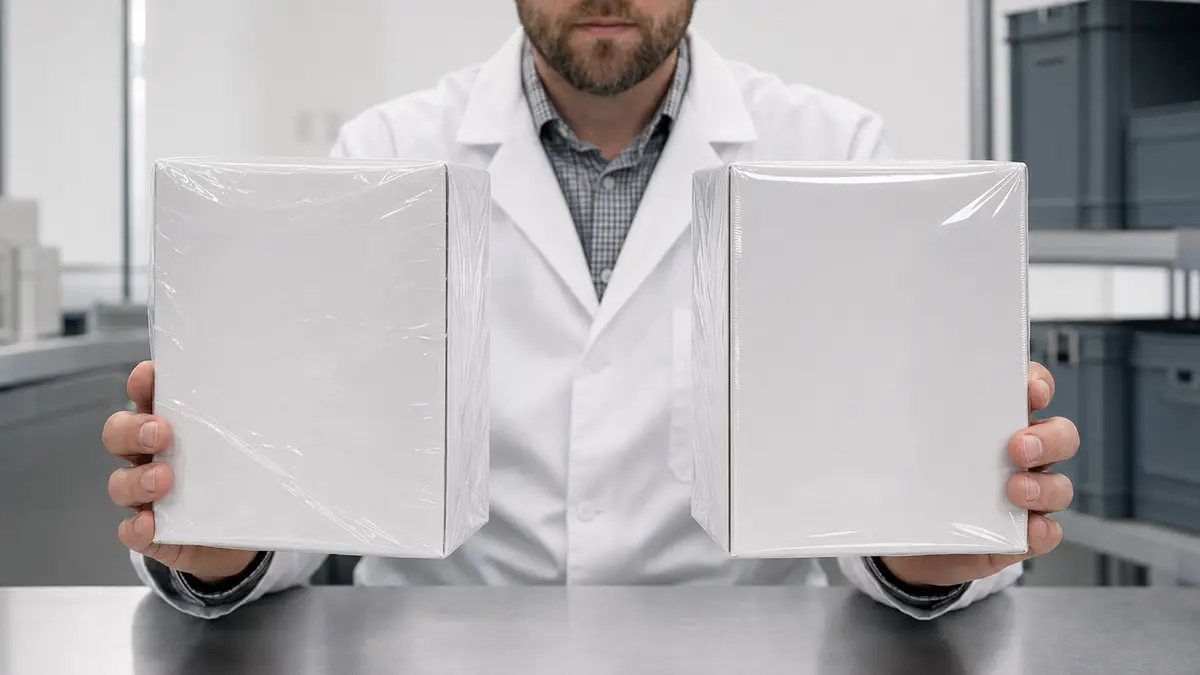
سلوك الانكماش، البصريات، وحماية العبوة
نسبة الانكماش ليست قوة الانكماش
收缩百分比描述在特定条件下的尺寸变化。收缩力 或收缩 张力描述收缩膜所能施加的力。一种薄膜可能表现出显著的自由收缩,但对托盘、纸箱、捆包或易损产品施加的载荷却与另一种收缩百分比相似的薄膜不同。.
ASTM D2732提供了一种在指定试样温度下测量薄膜无约束线性收缩率的方法。ASTM D2838涉及收缩张力和取向释放应力。这些方法回答不同的问题,因此其数值不可互换。比较时应至少报告:
- 试验方法及版本;;
- 薄膜等级和厚度;;
- 试样状态调节;;
- 试验温度和暴露时间;;
- 纵向和横向;以及
- 报告值是自由收缩、约束力还是其他供应商方法。.
使用所得曲线来定义 工艺窗口, ,而不仅仅是一个有吸引力的数据点。对于易碎纸箱或薄托盘,收缩张力和产品变形可能比最大收缩率更重要。对于不规则包装,边角处的回缩和残留皱纹可能占主导地位。.
透明度、光泽度、韧性和手感
两种薄膜系列均可实现。.
力学比较需要同样的谨慎。ASTM D882可用于测定薄塑料薄膜的拉伸性能,但试样尺寸、方向、应变速率、厚度和失效模式会影响结果。穿刺和撕裂试验也需要匹配的方法。供应商的“高” 抗穿刺性 描述是。.
最有用的最终检查是包装层面的:在约定的存储和运输模拟后,检查尖角失效、密封撕裂、刮擦、磨损、产品移动、变形和损坏。.
重要提示: 仅当薄膜等级、厚度、方向、状态调节、试样和试验方法匹配时,才可将光学和力学结果视为可比较。.
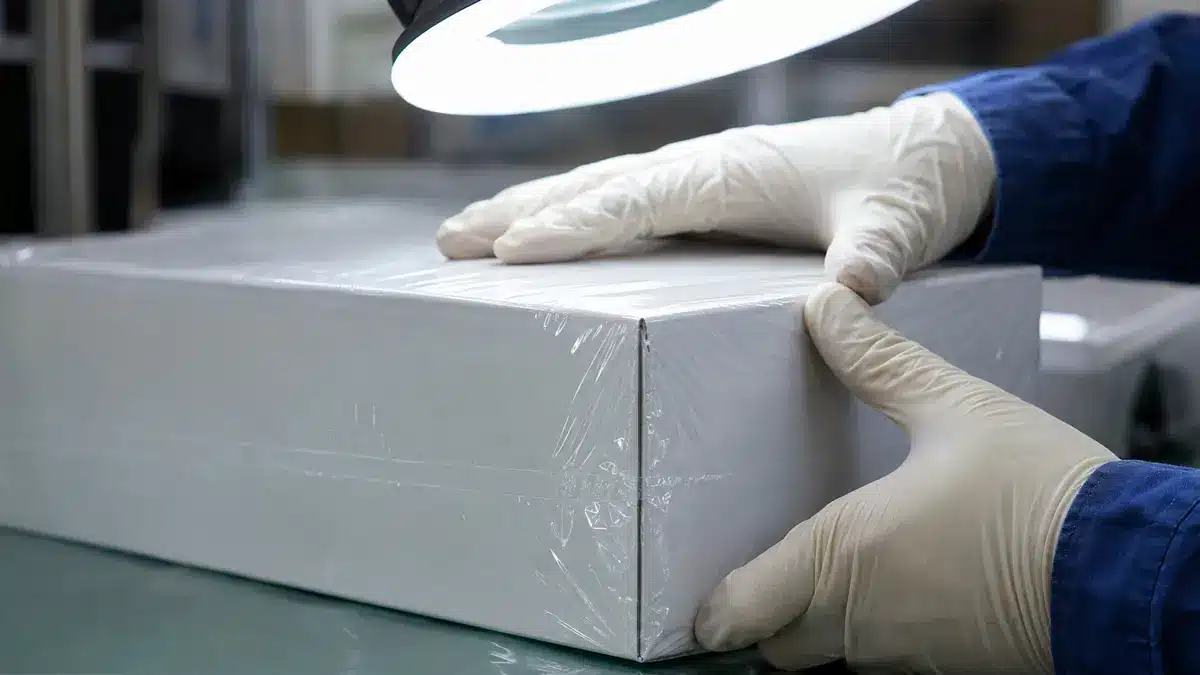
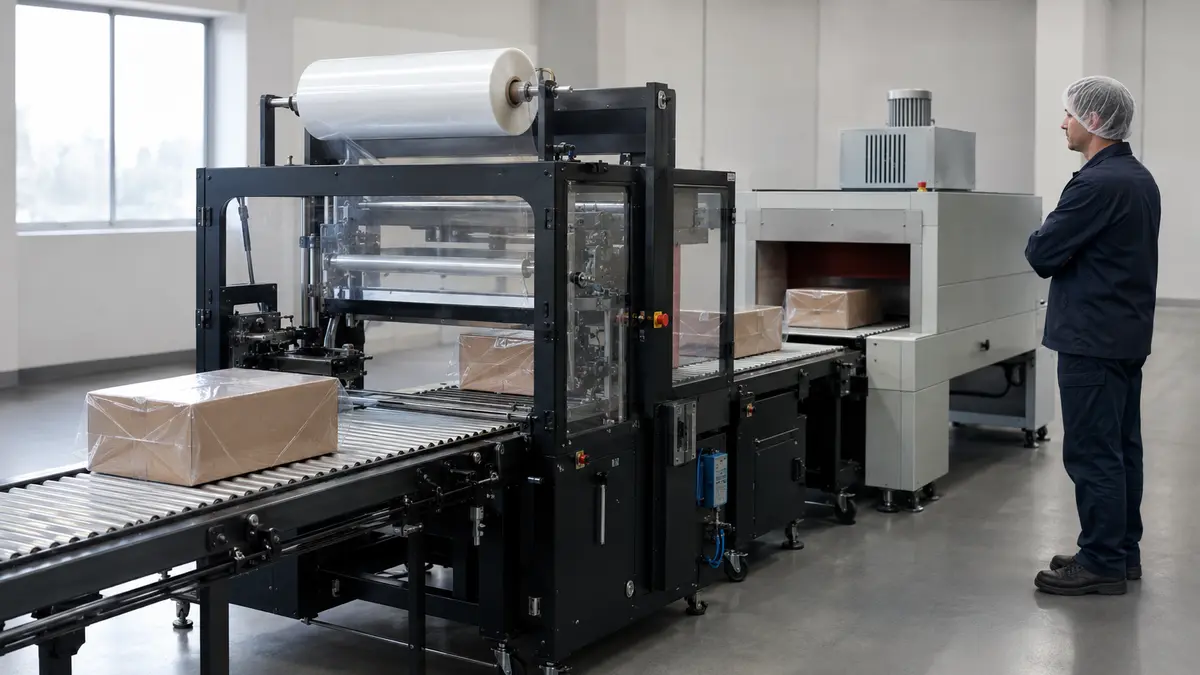
密封、设备和操作条件
为什么更换材料不是简单的替代
POF和PVC可能运行。.
穿孔是另一个系统变量。薄膜回缩时,空气需要受控的排出通道。通风不足可能导致气囊或表面不平整;过度或位置不当的穿孔可能削弱包装或使孔洞在视觉上突出。包装尺寸、薄膜平折宽度、密封位置和隧道气流决定了所需条件。.
供应商的初始设置可缩短调试时间,但不能保证为生产设置。应将其用于进入受控试验,然后在设备和薄膜限制范围内一次调整一个变量。记录更改,以便其他班次能够重现最终工艺窗口。.
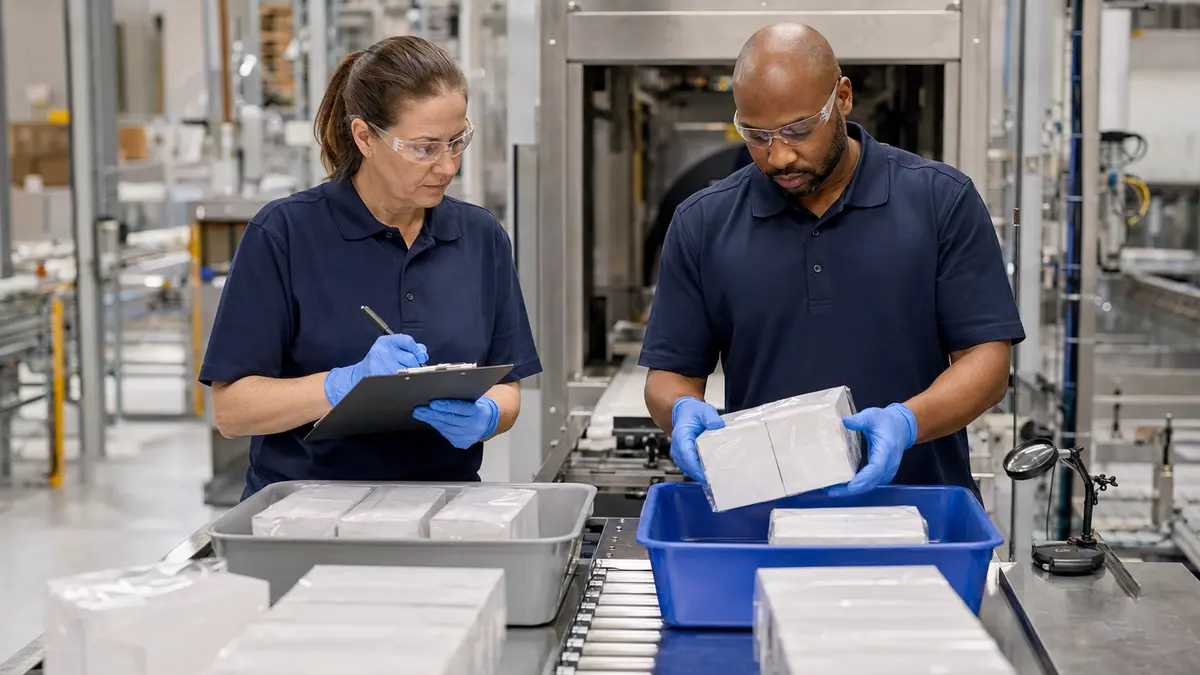
生产线试验期间应记录的内容
- 识别机器、密封器配置、隧道布局、维护状况和测量仪器状态。.
- 记录薄膜供应商、等级、批次、厚度、宽度、卷筒形式、存放时间和状态调节时间。.
- 确定产品、包装尺寸、方向、间距以及任何托盘或纸箱组件。.
- 记录密封温度或控制器设定值、停留时间、可用压力、隧道分区、传送带速度、气流或风门位置以及穿孔情况。.
- 将预热和调整包装与工艺稳定后生产的样品分开。.
- 在规定的运行时间内统计合格包装、开口密封、烧穿、皱纹、狗耳、变形、穿孔、返工、废品和停机次数。.
- 在约定的存储和处理期后重新检查包装,而不仅仅在隧道出口处判断。.
如果卷材处理是问题的一部分,可采用诸如ASTM D1894之类的摩擦系数方法支持调查,前提是记录接触表面、温度、状态调节和试验配置。实验室结果本身并不能证明机器性能。.
应用适配性:每种薄膜可能适用的场合
当POF是更强候选时
POF通常被列入候选名单用于。.
典型的筛选情况包括:
- 不规则或混合几何形状的消费品,薄膜需围绕边角回缩;;
- 需要清晰展示的印刷纸箱、书籍、文具、游戏和家居产品;;
- 可能受益于经过验证的低力等级的易损包装;;
- 需要韧性但无需重型运输薄膜的多件零售包装;以及
- 食品相关应用,当特定薄膜带有针对预期食品、温度、接触时间和市场的文件时。.
这些是起点,而非批准。尖锐边缘可能仍需边角保护或不同厚度。重型饮料捆包和运输载荷可能需要不同的收缩膜类别,例如PE捆包膜,这不在本次比较范围内。.
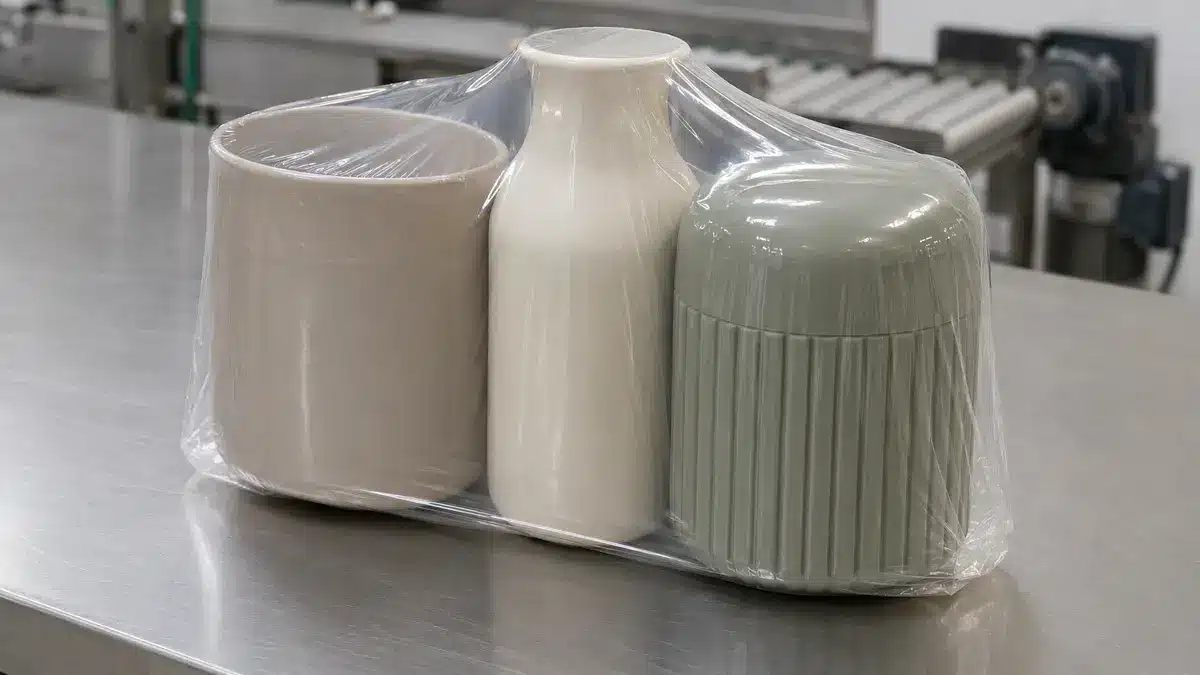
当PVC仍可被考虑时
当现有生产线和包装已验证、需要清晰的零售外观、当地法规和客户政策允许该材料时,PVC可能仍可作为特定非食品应用的候选材料。.
| السيناريو | المرشح الأولي | 批准前需验证 | Boundary |
|---|---|---|---|
| 存在穿刺风险的不规则零售包装 | POF | 边角完整性、密封撕裂、皱纹、运输损坏 | 等级和厚度决定结果 |
| 易碎纸箱或托盘 | 低力POF等级 | 收缩张力、尺寸、面板变形 | “仅”POF”并不意味着低力 |
| 已确定的成本敏感型非食品包装 | PVC与POF A/B试验 | 总成本、外观、市场政策、控制措施 | 现有使用不能证明未来市场接受度 |
| 直接或可预见的 食品接触 | 仅限有文件记录的等级 | 声明、法规依据、迁移和使用限制 | 无材料系列捷径 |
有用的问题不是“什么 هو PVC يُستخدم عادةً؟” بل “هل هذا التركيب الدقيق لـ PVC يلبي متطلبات العبوة المقصودة، والسوق، والخط الإنتاجي، وضوابط المخاطر بشكل أفضل من البديل الدقيق لـ POF؟”
ملامسة الأغذية، سلامة العمال، والادعاءات التنظيمية
يجب إثبات ملامسة الأغذية للفيلم الدقيق والاستخدام المحدد
لا يُعتبر POF تلقائيًا “معتمدًا من إدارة الغذاء والدواء الأمريكية (FDA)”، ولا يُحظر PVC تلقائيًا في جميع حالات التغليف المتعلقة بالأغذية. في الولايات المتحدة، يُبنى أساس الامتثال على التفويضات المنطبقة في قانون اللوائح الفيدرالية، وإخطارات ملامسة الأغذية، أو أي أساس صالح آخر للمواد الفعلية وظروف الاستخدام. في الاتحاد الأوروبي، تُقيّم مواد التغليف البلاستيكية الملامسة للأغذية بموجب اللائحة الإطارية، اللائحة (EU) رقم 10/2011، وقواعد ممارسات التصنيع الجيدة، والتعديلات المنطبقة.
بالنسبة لأي من الفيلمين، اطلب وثائق تحدد:
- الدرجة الدقيقة وموقع التصنيع المشمول؛;
- أنواع الأغذية المقصودة وما إذا كانت الملامسة مباشرة أو غير مباشرة أو مفصولة بحاجز وظيفي؛;
- أقصى درجة حرارة ووقت للملامسة؛;
- القيود المنطبقة وحدود الهجرة المحددة؛;
- إعلان الامتثال وأساس الهجرة أو الحساب الداعم عند الحاجة؛
- معالجة الأحبار، المواد اللاصقة، الطلاءات،, المحتوى المعاد تدويره, والمكونات الأخرى للعبوة النهائية.
بيان الراتنج، شعار المورد، عبارة موقع إلكتروني، أو وثيقة لدرجة مماثلة لا تكفي. لا يمكن نقل الامتثال لهيكل أو شرط معين إلى كل فيلم يُباع تحت نفس عائلة المواد.
التدفئة والتهوية تحتاجان إلى مراجعة خاصة بالعملية
يجب أن تبقى جميع عمليات البوليمر المسخنة ضمن حدود المورد والمعدات وأن تُقيّم تحت برنامج السلامة المهنية للموقع. تؤثر التركيبة، درجة الحرارة، زمن المكوث، التلوث، الصيانة، التهوية، والأحداث غير الطبيعية على الانبعاثات.
تحدد الإرشادات الفنية لإدارة السلامة والصحة المهنية (OSHA) كلوريد الهيدروجين كمنتج تحلل حراري مرتبط بـ PVC. تدعم هذه الحقيقة الانتباه إلى حالات السخونة الزائدة والاضطراب؛ لكنها لا تثبت تعرضًا معينًا أثناء التشغيل العادي. راجع بيانات السلامة للفيلم الدقيق، تعليمات المعدات، متطلبات التعرض المحلية، تصميم التهوية، والاستجابة للحالات غير الطبيعية. لا ينبغي استخدام الرائحة المنخفضة أو وصف المورد “التشغيل النظيف” لدرجة POF لإلغاء تلك المراجعة.
تحذير: الدخان المستمر، تغير اللون، الرواسب، الرائحة القوية، أو الفيلم المحترق هو انحراف في العملية. توقف وحقق في الفيلم، الإعدادات، حالة المعدات، التلوث، والتهوية بموجب إجراءات السلامة للموقع.
الاستدامة ونهاية العمر الافتراضي
عائلة الراتنج لا تثبت قابلية إعادة التدوير
قابلية إعادة التدوير هي ادعاء يتجاوز كيمياء البوليمر. تعتمد أيضًا على الوصول إلى الجمع، فرز المواصفات، أبعاد الفيلم، اللون، الإضافات، الطلاءات، الملصقات، التلوث، وما إذا كان السوق النهائي يمكنه استخدام المواد المستردة. قد تُقبل بعض درجات POF في برامج استرداد أفلام معينة، لكن لا يمكن تعميم ذلك على كل فيلم POF أو.
تؤكد إرشادات لجنة التجارة الفيدرالية (FTC) الخضراء على إثبات وتأهيل ادعاءات التسويق البيئي. في الاتحاد الأوروبي، تركز سياسة التغليف الحالية أيضًا على منع النفايات وقابلية إعادة التدوير على نطاق واسع. بالنسبة لقرار بين الشركات (B2B)، اطلب من صاحب الادعاء تحديد:
- العبوة النهائية الدقيقة المشمولة؛;
- مسار الجمع وإعادة المعالجة؛;
- التوفر الجغرافي لذلك المسار؛;
- بروتوكول التصميم لإعادة التدوير والإصدار المستخدم؛;
- أي تأهيل مسبق من طرف ثالث وقيوده؛
- وما التغييرات في الحبر، الملصق، المادة اللاصقة، التثقيب، أو حجم العبوة التي قد تبطل النتيجة.
بدون هذا الدليل، استخدم أوصافًا مادية واقعية بدلاً من مصطلحات واسعة مثل “صديق للبيئة” أو “أخضر” أو “قابل لإعادة التدوير بنسبة 100%”.”
قارن العبوة النهائية، وليس ملصقًا واحدًا
تقيس المقارنة العادلة نظام التغليف المُسلّم لكل عبوة مقبولة. تشمل كتلة الفيلم، تفاوت السمك، إنتاجية اللفة، خردة العملية، المنتجات التالفة، المكونات الثانوية، أداء النقل، ومسار نهاية العمر الفعلي. الفيلم الأرق الذي ينتج مرفوضات أكثر قد لا يقلل استخدام المواد. الفيلم الأثقل الذي يلغي صينية قد يغير النتيجة الإجمالية. لا ينبغي افتراض أي استنتاج دون بيانات.
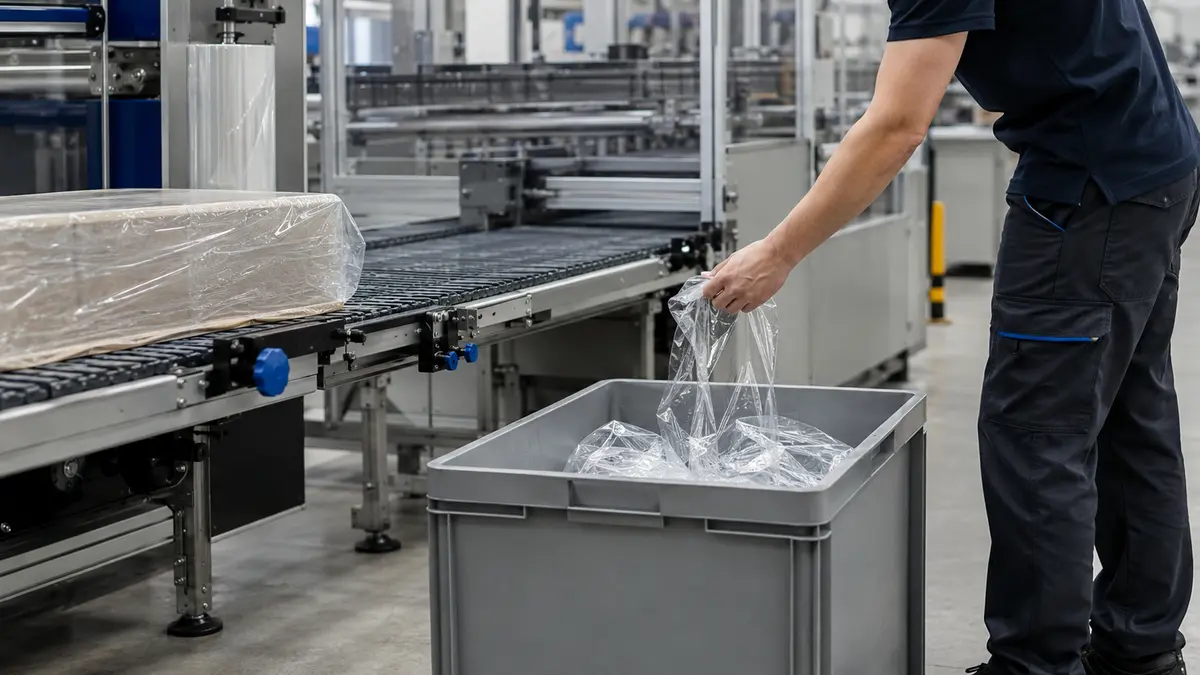
احتفظ بسجلات منفصلة لقابلية إعادة التدوير الفنية، الوصول المحلي للجمع، المحتوى المعاد تدويره، المحتوى الحيوي، القابلية للتحلل، والبصمة الكربونية. هذه ادعاءات مختلفة بأدلة مختلفة. نتيجة إيجابية في فئة واحدة لا تثبت أخرى.
重要提示: لا تُصنف POF وPVC بصفة بيئية واحدة. حدد الوحدة الوظيفية، التركيب النهائي، السوق، مسار الاسترداد، وتاريخ الدليل.
التكلفة: قارن العبوات المقبولة، وليس أسعار اللفات
بناء نموذج تكلفة العبوة الإجمالية
المقام المفيد هو العبوات المقبولة، وليس كيلوغرامات الفيلم أو سعر الشراء لكل لفة. لتشغيل إنتاجي محدد:
التكلفة الإجمالية لكل عبوة مقبولة = (تكلفة الفيلم + العمالة المباشرة + الطاقة + وقت التوقف المخطط + تكلفة الخردة وإعادة العمل) ÷ العبوات المقبولة
حدد كل متغير قبل مقارنة الدرجات. يجب أن تستخدم تكلفة الفيلم اللفة الفعلية المسلّمة والعائد القابل للاستخدام. يجب أن تغطي العمالة والطاقة نفس حدود الإنتاج. يجب أن تفي العبوات المقبولة بنفس معايير المظهر، الختم، الأبعاد، المناولة، والامتثال. هذه الصيغة هي نموذج قرار، وليست ادعاءً بأن فيلمًا واحدًا سيوفر نسبة مئوية ثابتة.
تضمين وقت التوقف، الخردة، وإعادة العمل
تتبع التكاليف التي تفوتها مقارنة سعر اللفة:
- تغييرات اللفات وفقدان الوصلات؛;
- خردة الإحماء وضبط الإعدادات؛;
- كسور الفيلم، أخطاء التتبع، مشاكل الكهرباء الساكنة، وتوقفات التغذية؛;
- الأختام المفتوحة، الاحتراق، التجاعيد، آذان الكلب، الثقوب، والمنتجات المشوهة؛;
- التنظيف أو الصيانة المرتبطة بالتشغيل؛;
- الفحص، إعادة العمل، إعادة التعبئة، والتخلص؛ و
- فشل العملاء أو التوزيع المرتبط بالعبوة.
قارن الدرجات فقط بعد أن تصل كل عملية إلى نافذة مستقرة وموثقة. وإلا قد تقيس النتيجة إلمام المشغل بالفيلم الحالي بدلاً من الاقتصاديات طويلة الأجل للفيلم.
كيفية تحديد واختبار فيلم الانكماش POF أو PVC
المعلومات التي يجب وضعها في طلب عرض الأسعار (RFQ)
قدم للموردين نفس مجموعة المدخلات:
- وصف المنتج، الأبعاد، الكتلة، هندسة الحواف، الحساسية للحرارة والضغط، واتجاه العبوة؛;
- تكوين العبوة، موضع الختم، التهوية المطلوبة، توقعات العرض، وظروف التوزيع؛;
- نوع الماكينة، تفاصيل جهاز الختم، مناطق النفق، الفتحة، ضوابط تدفق الهواء، نطاق الناقل، هدف سرعة الخط، وحدود اللفة؛;
- وصف المواد والطبقات المطلوبة، الاتجاه، الدرجة، السمك والتفاوت، العرض، تنسيق اللفة، الطول، القلب، وقطر اللفة؛;
- بيانات الانكماش في الاتجاهين MD وTD عند درجات حرارة محددة، بيانات شد الانكماش، طريقة نافذة الختم، البصريات، الاحتكاك، والاختبارات الميكانيكية ذات الصلة؛;
- سوق ملامسة الأغذية المستهدف والظروف، إن أمكن، بالإضافة إلى الإعلانات والوثائق الداعمة المطلوبة؛;
- متطلبات الادعاء البيئي أو سياسة التاجر، مع ذكر البروتوكول والسوق؛ و
- تعريف عينة اللفة، إمكانية تتبع الدفعة، توقعات التحكم في التغيير، ومتطلبات شهادة التحليل.
اطلب الوحدات، طرق الاختبار، الإصدارات، التكييف، والتفاوتات. يمكن للبيانات “النموذجية” دعم تخطيط التجربة، لكن يجب الاتفاق على حدود الشراء بشكل منفصل.
تجربة A/B خاضعة للرقابة
- ثبت المنتج، تكوين العبوة،, معايير القبول, حالة الماكينة، المشغلين، وطرق القياس.
- التحقق من هوية اللفة، السمك، العرض، حالة التكييف، سجل التخزين، والحدود الموصى بها من المورد لكل من الخيارين.
- استخدام إعدادات البداية من المورد، ثم تحسين متغير واحد في كل مرة ضمن الحدود المعتمدة.
- تشغيل كمية كافية من المواد للوصول إلى الاستقرار الحراري والميكانيكي؛ مع فصل مخلفات الإعداد بشكل منفصل.
- أخذ عينات على فترات زمنية محددة وتسجيل جميع الإعدادات، العيوب، الإنتاج المقبول، التوقفات، المخلفات، والملاحظات.
- تقييم العبوات عند مخرج النفق وبعد التخزين المتفق عليه، المناولة، ومحاكاة التوزيع.
- حساب التكلفة لكل عبوة مقبولة والاحتفاظ بعينات تمثيلية، الإعدادات، معرفات الدفعات، والنتائج للمراجعة.
إذا تم تغيير إعداد لأحد الخيارين، توثيق السبب وإعطاء الخيار الآخر فرصة تحسين مكافئة. التجربة العادلة تقارن أفضل نافذة تشغيل مستقرة يمكن تحقيقها لكل درجة ضمن قيود المشروع.
معايير القبول
وضع حدود خاصة بالمشروع قبل التشغيل. قد تشمل المعايير:
- أختام مستمرة بدون قنوات، احتراق، نقاط ضعف، أو تقشير غير مقصود؛;
- الحد الأقصى للتجاعيد، آذان الكلب، الانتفاخات، الثقوب، أو المناطق المحترقة؛;
- أبعاد المنتج والكرتون بعد الانكماش والتكييف؛;
- عدم وجود انحناء غير مقبول في الألواح، تشوه في الصواني، تلف في الحواف، أو انضغاط؛;
- متطلبات العكارة، اللمعان، العرض، الباركود، أو تشوه الطباعة المتفق عليها؛;
- أداء الثقب، التمزق، المناولة، التخزين، والتوزيع؛;
- الحد الأدنى للإنتاجية المستقرة والحد الأقصى لمعدلات الرفض، المخلفات، إعادة العمل، والتوقف؛ و
- توثيق الامتثال الكامل، السلامة، إمكانية التتبع، والمطالبات البيئية.
لا تستعير حدودًا من عبوة أخرى دون التأكد من أن منتجها، هندستها، فيلمها، طريقتها، سوقها، ومخاطرها متكافئة.
الأسئلة الشائعة
هل فيلم الانكماش من نوع POF آمن دائمًا للطعام؟
لا. قد تكون درجة POF مناسبة للتلامس مع الطعام فقط عندما تكون تركيبتها الدقيقة واستخدامها المقصود مدعومين بقواعد السوق المستهدف. تحقق من نوع الطعام، التلامس المباشر أو غير المباشر، درجة الحرارة، الوقت، القيود، الإعلان، وأساس الانتقال الداعم.
هل يمكن تشغيل POF على نفس آلة PVC؟
يعتمد ذلك. يمكن للعديد من أجهزة الختم الجانبي، وأجهزة الختم الجانبي، وأنفاق الانكماش معالجة درجات من كلا العائلتين، لكن إعدادات الختم، النفق، تدفق الهواء، السرعة، التغذية، والثقب قد تتغير. تأكد من حدود المعدات وقم بتجربة تحويل موثقة.
أي فيلم يتمتع بوضوح أفضل؟
يمكن لأي منهما إنتاج عبوة واضحة ولامعة. يتم اختيار العديد من درجات POF للخصائص البصرية الممتازة، لكن التركيبة، السمك، حالة السطح، الختم، توازن النفق، الهواء المحبوس، والمنتج نفسه يمكن أن يغير النتيجة. قارن بين عينات متطابقة باستخدام طريقة بصرية محددة وعبوات حقيقية.
هل فيلم الانكماش POF قابل لإعادة التدوير؟
أحيانًا، ضمن برنامج مؤهل. يمكن أن تكون كيمياء البولي أوليفين متوافقة مع بعض مسارات استرداد الأفلام، لكن الهيكل النهائي ونظام الجمع والفرز وإعادة المعالجة المحلي يحددان ما إذا كان يمكن دعم المطالبة. اسأل عن البرنامج الدقيق، المنطقة الجغرافية، البروتوكول، والقيود.
التوصية النهائية
ابدأ بالمخاطر السائدة للعبوة. غالبًا ما يكون POF الخيار الأول الأكثر تنوعًا عندما تكون المتانة، الملمس المرن، الاستخدام الواسع في التجزئة، أو خيارات التلامس مع الطعام الموثقة مهمة. قد يظل PVC خيارًا عقلانيًا لتطبيق غير غذائي خاضع للرقابة مع خط إنتاج ثابت، سوق مسموح به، ضوابط عملية مناسبة، وخطة نهاية عمر موثوقة.
قبل الموافقة:
- قارن بين الدرجات المحددة بدلاً من أسماء المواد؛;
- اطلب الطرق، الظروف، التفاوتات، الإعلانات، وقيود المطالبات؛ و
- قم بتشغيل تجربة متطابقة line trial تقيس الإنتاج المقبول، أداء العبوة، المخلفات، وقت التوقف، والتكلفة الإجمالية.
الفيلم الفائز هو الذي يلبي متطلبات العبوة، الآلة، السوق، السلامة، والاقتصاد المحددة مع أدلة قابلة للتكرار.
相关Bestypack资源
- مورد أفلام الانكماش المصنوعة من البولي أوليفين (POF)
- ما حجم فيلم الانكماش POF الذي أحتاجه؟
 English
 Japanese
 French
 Spanish
 Korean
 Italian
 Portuguese
 Dutch
Dutch Arabic
 Russian
 German