
فيلم التمدد (Stretch Film) يُستخدم على نطاق واسع في توحيد الأحمال على المنصات النقالة للتخزين والنقل، لكن قيمته أوسع من مجرد تثبيت الصناديق معًا. عندما يتم مواءمة الفيلم، والحمل، وطريقة التغليف، وظروف التوزيع، يمكن أن يحسّن الاحتواء، ويحمي الأسطح المكشوفة، ويبسّط المناولة، ويقلل من استخدام المواد القابلة للتجنب. لذا، من الأفضل فهم المزايا الثماني التالية كنتائج تشغيلية محتملة—وليست خصائص تلقائية لكل لفة أو كل منصة نقالة مغلّفة.
1. استقرار أفضل للحمل
有关聚合物背景知识,请查阅NIH PubChem 聚乙烯概述 在比较成品薄膜的声明之前。.
有关聚合物背景,请咨询 مقارنةً بالادعاءات الخاصة بالأغشية النهائية، يجب الاطلاع أولاً على النظرة العامة للبولي إيثيلين من قاعدة بيانات NIH PubChem.
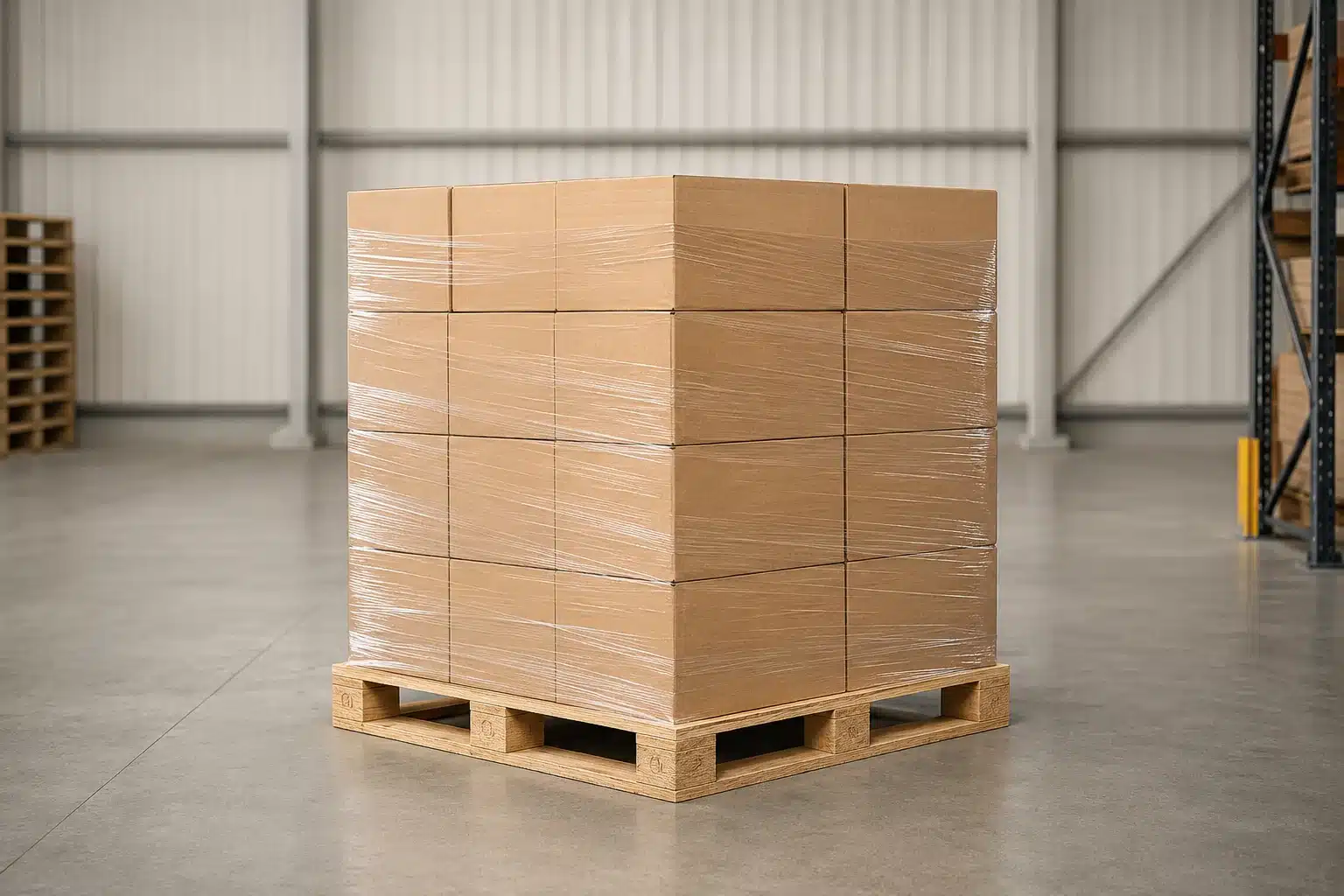
يطبّق الفيلم المطاطي شدًا حول حمولة مُجهزة، بينما يساعد ارتداده المرن في الحفاظ على الضغط الداخلي 约束力 بعد التغليف. يمكن أن يقلل ذلك من الحركة بين العبوات ويساعد الكومة على التصرف كوحدة واحدة أثناء الرفع، والتخزين المؤقت، والنقل. تكون الفائدة مفيدة بشكل خاص عندما يكون نمط المنصة النقالة مضغوطًا بالفعل، ويتم توزيع الوزن بشكل مناسب، ويتم تثبيت الفيلم على المنصة النقالة أو الحمل السفلي وفقًا لنمط التغليف المعتمد.
يعمل الفيلم كـ جزء واحد من نظام استقرار الحمل. المنصة النقالة، وقوة العبوات، ونمط التكديس، والاحتكاك بين العبوات، ومواصفات الفيلم، وعدد ومواضع اللفات، والشد المطبق، ومخاطر النقل—كلها تؤثر على النتيجة. التطبيق المتسق مهم لأن منصتين نقالتين تبدوان متساويتين في التغليف قد لا تمتلكان نفس مستوى الاحتواء.
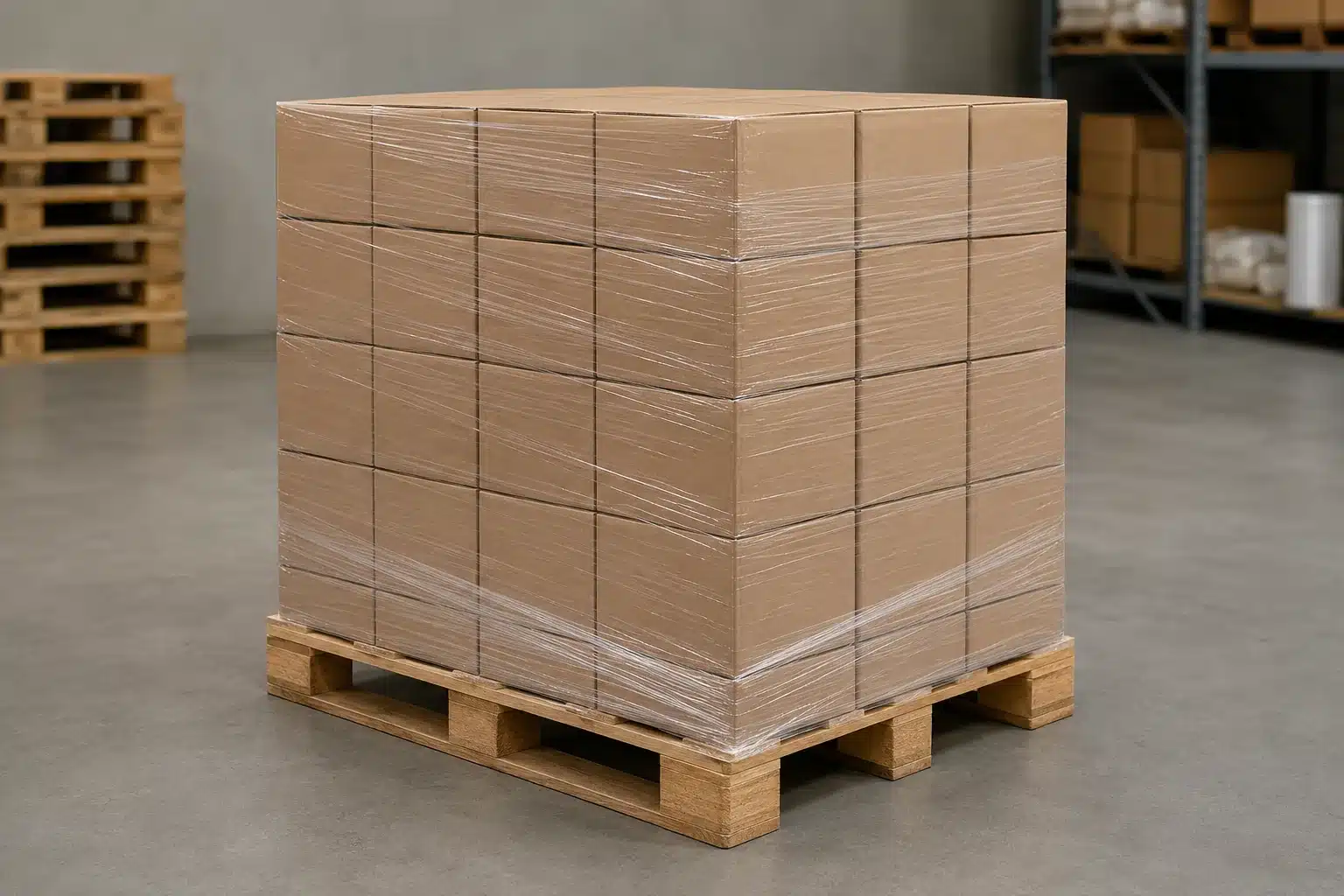
重要提示: يمكن للفيلم المطاطي أن يعزز حمولة مستقرة، لكنه لا يمكنه تصحيح منصة نقالة تالفة، أو بروز شديد، أو كراتين ضعيفة، أو فراغات كبيرة، أو نمط تكديس غير مستقر بشكل موثوق. يجب تصحيح تلك الظروف قبل التغليف.
2. الحماية من الغبار والأوساخ والتعرض المحدود للرطوبة
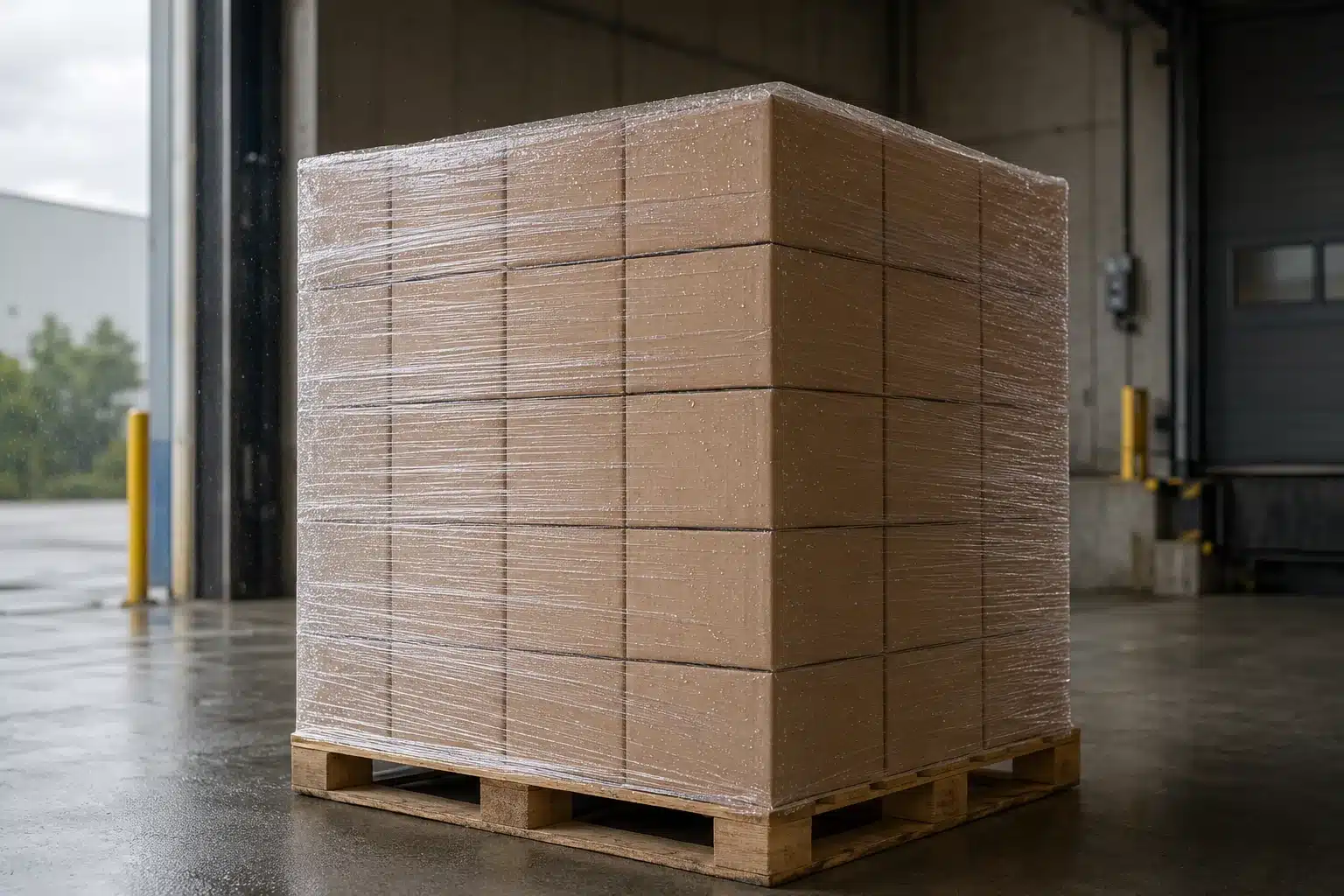
يخلق التغليف المستمر طبقة خارجية واقية حول الكراتين أو الأكياس أو السلع المعبأة الأخرى. أثناء التخزين الداخلي والنقل المغلق، يمكن لهذه الطبقة أن تقلل من الاتصال المباشر بغبار المستودع، والأوساخ، والخدوش الطفيفة، والرطوبة العرضية مثل رذاذ الماء أو التعرض القصير أثناء المناولة.
لهذه الحماية حدود عملية::
- يمكنه إبعاد الملوثات السائبة عن أسطح العبوات المغطاة.
- يمكنه تقليل الاحتكاك السطحي ضد الأحمال المجاورة ومعدات المناولة.
- يمكنه المساعدة في الاحتفاظ بالمكونات الصغيرة السائبة عندما يحتويها نمط التغليف بالكامل.
- لا يُنشئ ختمًا محكمًا أو حاجزًا مائيًا مُختبرًا.
- لا يُثبت متانة خارجية، أو مقاومة للأشعة فوق البنفسجية، أو حماية من التآكل، أو جوًا مُتحكمًا فيه.
تتناول المواصفة ASTM D4649-20 إرشادات استخدام الفيلم المطاطي في بيئات التخزين والنقل الداخلي وتستبعد صراحةً أداء التعرض الخارجي من نطاقها. إذا بقيت الحمولة في الخارج، أو تعرضت لأمطار غزيرة، أو تكثف الرطوبة، أو احتوت على منتجات حساسة للرطوبة، فقد تكون هناك حاجة إلى غطاء علوي، أو غطاء كامل، أو تغليف حاجز، أو حماية أخرى مُتحقق منها.
3. انخفاض مخاطر حركة المنتج وأضرار المناولة
عندما لا يمكن للعبوات الانزلاق بحرية، أو الانفصال عن المنصة النقالة، أو الاصطدام ببعضها البعض بسهولة، يمكن تقليل عدة مسارات شائعة للضرر. قلة الحركة النسبية قد تعني عددًا أقل من الرسومات المخدوشة، وعددًا أقل من الحالات المُزاحة، واحتمالًا أقل لوصول العبوة إلى حافة المنصة النقالة أثناء المناولة.
سلسلة السبب والنتيجة مباشرة:
- حركة غير مُتحكم بها: الفجوات، أو التكديس الضعيف، أو الاحتواء غير الكافي تسمح للعبوات بالانزياح.
- تلامس ميكانيكي: العبوات المُزاحة تحتك، أو تتصادم، أو تميل، أو تركّز الحمل على الكراتين المجاورة.
- ضرر محتمل: تخدش الأسطح، أو تنسحق الزوايا، أو تتشوه الحالات، أو تسقط العبوات الفردية.
- 5. 密封与热缩通道操作窗口 تحسين نمط المنصة النقالة وتطبيق فيلم ونمط تغليف ينتجان احتواءً قابلًا للتكرار دون سحق المنتج.
هذه ميزة تقليل المخاطر.
4. مناولة أكثر كفاءة لأحمال الوحدات
يتيح التوحيد لفرق المستودعات التعامل مع العديد من العبوات كحمل واحد مُدار. عندما تبقى المنصة النقالة متماسكة، يمكن أن تصبح العمليات الروتينية أبسط:
- نقل منصة نقالة مؤمّنة بدلاً من جمع الكراتين السائبة بشكل متكرر.
- تخزين الأحمال مؤقتًا مع مخاطر أقل لانفصال العبوات الفردية عن الشحنة.
- نقل الأحمال بين مناطق المستودع مع عدد أقل من عمليات إعادة التغليف التصحيحية.
- الحفاظ على عدد الحالات وهوية الشحنة معًا أثناء الحركة الداخلية.
- توحيد التغليف عند نقطة قابلة للتكرار في سير عمل التعبئة.
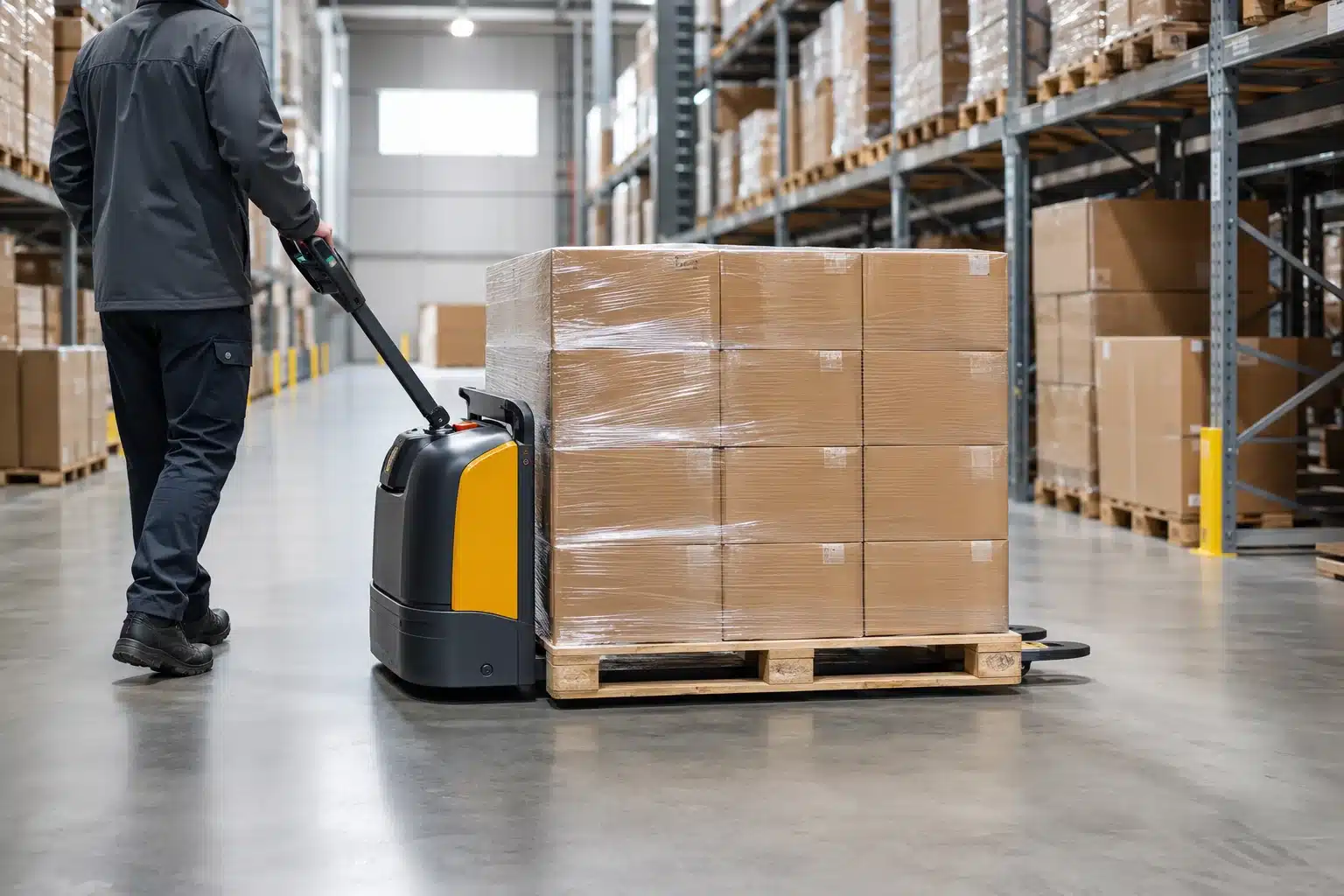
يعتمد حجم الفائدة على معدل الإنتاجية وطريقة التطبيق. يمكن أن يظل التغليف اليدوي عمليًا للأحجام المنخفضة، أو المواقع المتنوعة، أو الأحمال غير المنتظمة. يمكن لآلة التغليف شبه الأوتوماتيكية أو الأوتوماتيكية المُهيأة بشكل صحيح تحسين قابلية التكرار وتحرير المشغل من التجول حول كل منصة نقالة، لكن المعدات لا تلغي الحاجة إلى إعداد آمن للحمل أو برنامج فيلم مُعتمد.
يجب قياس الكفاءة في الموقع بدلاً من افتراضها. تشمل المقاييس المفيدة وقت التغليف لكل منصة نقالة، وتكرار إعادة التغليف، وانقطاعات الفيلم، والمنصات النقالة المُعالجة لكل وردية، وعدد الأحمال التي تتطلب إعادة تكديس.
5. إمكانية خفض التكلفة الإجمالية للتغليف
يمكن أن يكون الفيلم المطاطي فعالًا من حيث التكلفة لأن مادة خفيفة نسبيًا يمكنها توحيد حمولة كبيرة، لكن سعر اللفة وحده لا يُظهر الاقتصاديات الحقيقية. المقارنة الأفضل تستخدم التكلفة الإجمالية المطبقة لكل منصة نقالة مقبولة.
| عنصر التكلفة | ما يجب قياسه | سبب الأهمية |
|---|---|---|
| الفيلم | الوزن الفعلي للفيلم أو الطول المستخدم لكل منصة نقالة | يمكن تعويض سعر اللفة المنخفض عن طريق التغليف الزائد، أو الانقطاعات، أو ضعف التحكم في الشد. |
| العمالة | وقت التحضير، والتغليف، والفحص، وإعادة العمل | تخلق الطرق اليدوية والآلية متطلبات زمنية وموظفين مختلفة. |
| المعدات | الملكية، والصيانة، والطاقة، ووقت التوقف | يمكن للأتمتة تحسين الاتساق ولكنها تضيف تكاليف رأسمالية وصيانة. |
| الأضرار | المنتجات المرفوضة، أو المُعادة، أو المسحوقة، أو المخدوشة، أو المفقودة | برنامج التغليف الأرخص ليس اقتصاديًا إذا زادت حالات فشل الأحمال. |
| معالجة النفايات | تكلفة الجمع، أو الكبس، أو التخلص، أو الاسترداد | زيادة كمية الفيلم المستخدمة لكل حمولة تؤدي إلى مزيد من المواد التي يجب إدارتها بعد الاستخدام. |
قد يأتي تحسين التكلفة من استخدام كمية أقل من الفيلم لكل حمولة ناجحة، أو تقليل فقدان المنتج، أو تجنب المناولة المتكررة، أو تحسين اتساق العملية. وقد لا يظهر هذا التحسين إذا كان الفيلم المختار غير مناسب للحمولة، أو إذا عوّض المشغلون بلفات زائدة، أو 机器设置开始 لم تكن العمليات خاضعة للرقابة. لذلك يجب أن تقارن التجارب إجمالي التكلفة المطبقة عند متطلبات أداء حمولة متكافئة.
6. المرونة عبر ملفات الحمولات والعمليات
يتوفر فيلم التمدد للتطبيق اليدوي والآلي، ويمكن اختيار الأفلام لتناسب أشكال الحمولات المختلفة، ومخاطر الثقب، ومتطلبات الالتصاق، واحتياجات الرؤية، ومستويات الإنتاجية. هذا النطاق يوفر مرونة تشغيلية، لكنه لا يجعل جميع أفلام التمدد قابلة للتبادل.
| الحالة التشغيلية | الملاءمة المحتملة | ما لا يزال بحاجة إلى تحقق | القيد الرئيسي |
|---|---|---|---|
| مواقع اللف منخفضة الحجم أو المتغيرة | فيلم مطبق يدويًا مع موزع مناسب | تقنية المشغل، والاحتواء، واستخدام الفيلم، وبيئة العمل | تباين أكبر في التطبيق بين المشغلين |
| حجم منصات أعلى وقابل للتكرار | فيلم مطبق آليًا على معدات متوافقة | التمدد المسبق، والشد، ونمط اللف، وانقطاعات الفيلم، والإنتاجية | يتطلب إعدادًا وصيانة ورأس مال |
| كراتين موحدة | نمط لف متكرر حول الأسطح المنتظمة | ضغط الزوايا، وضغط الكراتين، وربط المنصة | قد تتشوه الكراتين الضعيفة تحت القوة المفرطة |
| حمولات غير منتظمة أو ذات حواف حادة | فيلم مختار لمواجهة تحدي الثقب الفعلي، مع حماية حواف محتملة | بدء الثقب، والنتوءات، وتغطية اللف، و 负载稳定性 | قد لا يحمي الفيلم وحده الحواف الشديدة |
| حمولات تحتاج إلى تهوية أو إخفاء | تنسيق فيلم مختار لغرض محدد | تدفق الهواء، ودرجة الحرارة، ورؤية الملصقات، والهدف الأمني | قد تتعارض المتطلبات المتخصصة مع بعضها البعض |
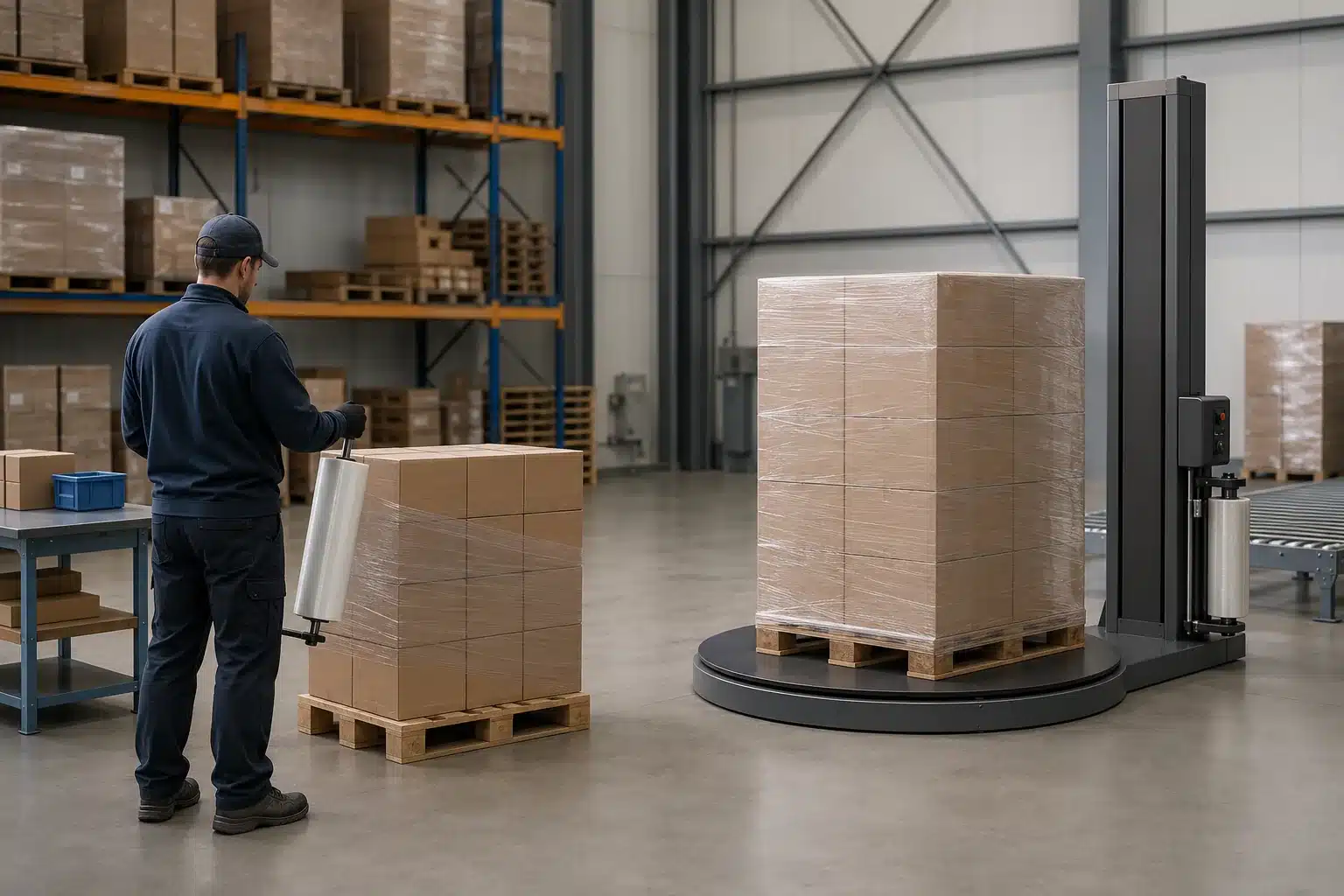
الميزة هي القدرة على تكوين برنامج حول العملية. يجب على المشترين وصف الحمولة، والمعدات، وظروف التخزين، ومسار النقل، و معايير القبول قبل اختيار التركيبة أو السماكة. المنتج الذي يؤدي أداءً جيدًا على حمولة مشروبات موحدة قد لا يكون مناسبًا لمنصة خفيفة أو حساسة للضغط أو ذات حواف حادة.
7. رؤية أفضل وتحديد الحمولة
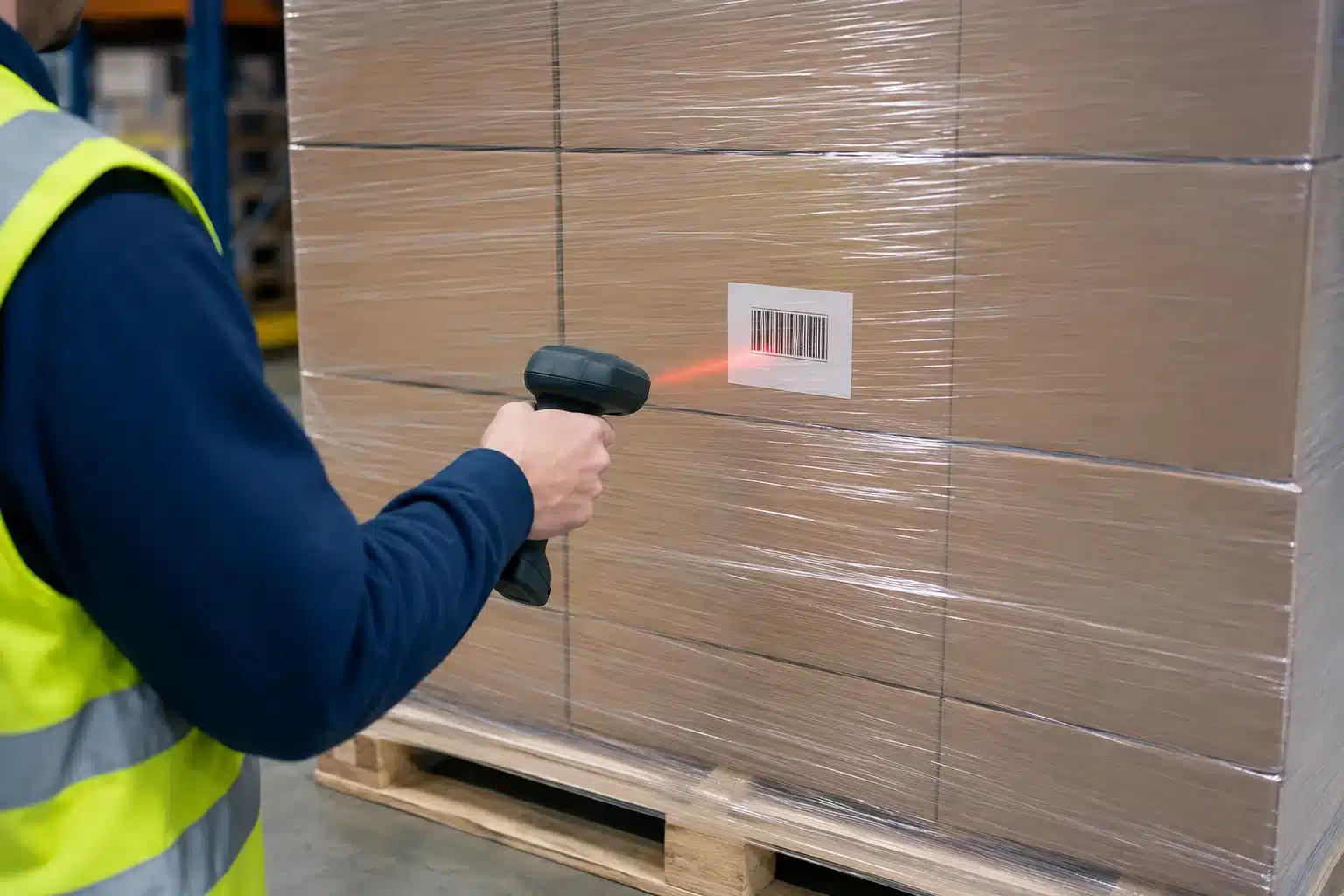
يمكن لفيلم التمدد الشفاف إبقاء ملصقات المنتج، وعلامات العبوات، ووثائق المنصة مرئية بينما تبقى الحمولة موحدة. وهذا يمكن أن يدعم فحوصات الاستلام، وتحديد المخزون، ومسح الباركود دون إزالة اللف. يمكن للفيلم الملون أو المعتم أن يخدم غرضًا مختلفًا من خلال دعم الترميز البصري أو تقليل الرؤية العرضية للمحتويات.
| المتطلبات | فيلم شفاف | فيلم ملون أو معتم |
|---|---|---|
| فحص حالة الكراتين | عادةً أسهل عبر اللف | قد يكون معتمًا جزئيًا أو كليًا |
| قراءة الملصقات أو الباركود | ممكنة إذا تم التحكم في الوهج والتداخل والتشوه | غالبًا يتطلب ملصقًا مكشوفًا أو ملصقًا خارجيًا على المنصة |
| ترميز الحمولات بالألوان | محدود ما لم تُستخدم الملصقات | يمكن أن يوفر إشارة بصرية قوية للفئة |
| إخفاء المحتويات | 有限 | يمكن أن يقلل الرؤية العرضية |
| كشف العبث | قد يكون الفيلم المضطرب ملحوظًا، اعتمادًا على نمط اللف | قد يكون الاضطراب مرئيًا، لكن الفيلم ليس ختمًا أمنيًا |
يجب التحقق من قابلية القراءة الفعلية على منصة نهائية. يمكن أن تؤثر طبقات الفيلم، والضبابية، والوهج، والتجاعيد، وموضع الملصق، وزاوية الماسح، والإضاءة على النتائج. وبالمثل، قد يثبط الفيلم المعتم الرؤية العرضية لكن لا ينبغي وصفه بأنه مقاوم للعبث أو مقاوم للسرقة.
8. فرص تقليل استخدام المواد
يمكن غالبًا تحسين استهلاك فيلم التمدد من خلال مطابقة الفيلم والتطبيق مع الحمولة بدلاً من إضافة طبقات كلما بدت المنصة غير مستقرة. الهدف ليس أنحف فيلم أو أقل عدد من اللفات؛ بل هو أقل استخدام متكرر للمواد يظل محققًا لمعايير أداء الحمولة المتفق عليها.
يتبع برنامج التخفيض الخاضع للرقابة تسلسلًا عمليًا:
- تسجيل الفيلم الحالي، والإعدادات أو الطريقة اليدوية، والفيلم المستخدم لكل منصة، ومعدل فشل الحمولة.
- تجميع الحمولات حسب عوامل ذات دلالة مثل الوزن، والهندسة، وحالة الحواف، وقوة العبوات، والمسار.
- تجربة فيلم مناسب للغرض ونمط لف في ظروف خاضعة للرقابة.
- التحقق من الاحتواء وحالة العبوات على حمولات تمثيلية ومخاطر التوزيع.
- توحيد الإعداد المعتمد، ثم مراقبة استخدام الفيلم، والانقطاعات، وإعادة اللف، والأضرار.
ملاحظة: تقليل المواد قابل للقياس؛ قابلية إعادة التدوير مشروطة. قد يتم قبول البولي إيثيلين فيلم التمدد النظيف من عمليات ما وراء الكواليس في برامج استرداد الأفلام المخصصة، لكن الجمع المحلي، والتلوث، والملصقات، والإضافات، واللون، والتصميم الدقيق للفيلم تؤثر على المسار الفعلي. لا ينبغي وضعه في تيار إعادة التدوير ما لم يقبل هذا البرنامج ذلك.
هذه الميزة تجمع بين الانضباط التشغيلي والبيئي: تجنب المواد غير الضرورية أولاً، والحفاظ على ثبات متطلبات أداء الحمولة، ولا يُقدم أي ادعاء بإعادة التدوير إلا للفيلم الفعلي ونظام الاسترداد المتاح.
متى تصمد المزايا في الممارسة العملية
تكون المزايا الثماني في أقوى حالاتها عندما يُعامل فيلم التمدد كجزء من نظام محدد لاحتواء الحمولة. قبل الموافقة على مواصفة أو تغيير برنامج التغليف، تحقق من:
- الحمولة: حالة البليت، الأبعاد، توزيع الوزن، نمط التكديس، قوة العبوة، البروز، الفراغات، والحواف الحادة.
- الفيلم: الهوية الدقيقة للمنتج، السمك الاسمي والتفاوت المسموح، طريقة التطبيق، سلوك التمدد، الالتصاق، الاستجابة للثقب، والتوافق مع آلة التغليف.
- العملية: التثبيت، نمط اللف، التداخل، التمدد المسبق أو الشد اليدوي، التعزيز العلوي والسفلي، تدريب المشغلين، وصيانة الآلات.
- البيئة: التعرض الداخلي أو الخارجي، نطاق درجات الحرارة، مدة التخزين، الرطوبة، التلوث، وخطر التكاثف.
- مسار التوزيع: أحداث المناولة، الاهتزاز، الصدمات، الضغط، نقل الأحمال، ومدة النقل.
- معايير القبول: الاحتواء، حالة العبوة، قابلية قراءة الملصقات، كمية الفيلم المستخدمة لكل حمولة، معدل إعادة اللف، ومعالجة المواد بعد الاستخدام.
يمكن لمواصفة ASTM D4649 دعم النقاش بين المشتري والبائع حول الاختيار والتطبيق، بينما يمكن لاختبار ISTA المناسب أو أي اختبار توزيع آخر أن يساعد في تقييم حمولة وحدة تمثيلية. لا يحل أي من المرجعين محل مواصفة خاصة بالمنتج، أو تجربة خاضعة للرقابة، أو دليل من الحمولة المعبأة الفعلية. عند استخدامه بهذه الطريقة، يمكن لفيلم التمدد أن يحقق مزايا ذات مغزى في الاحتواء، والحماية، والمناولة، والاقتصاد، والوضوح، وكفاءة المواد دون تحويل فائدة مشروطة إلى وعد غير مدعوم.
相关Bestypack资源
- فيلم التمدد الأسود للتغليف
- ما هو استخدام فيلم التمدد؟
- فيلم التمدد الآلي (منفوخ ومصبوب)
- فيلم التمديد البولي إيثيلين (PE Stretch Film) - فيلم تغليف بولي إيثيلين
- الشركة المصنعة والموردة لفيلم التمدد من نوع LLDPE
- دليل فيلم التمدد: التطبيقات، المزايا، الخصائص
- فيلم التمدد
 English
 Japanese
 French
 Spanish
 Korean
 Italian
 Portuguese
 Dutch
Dutch Arabic
 Russian
 German